

Rene’
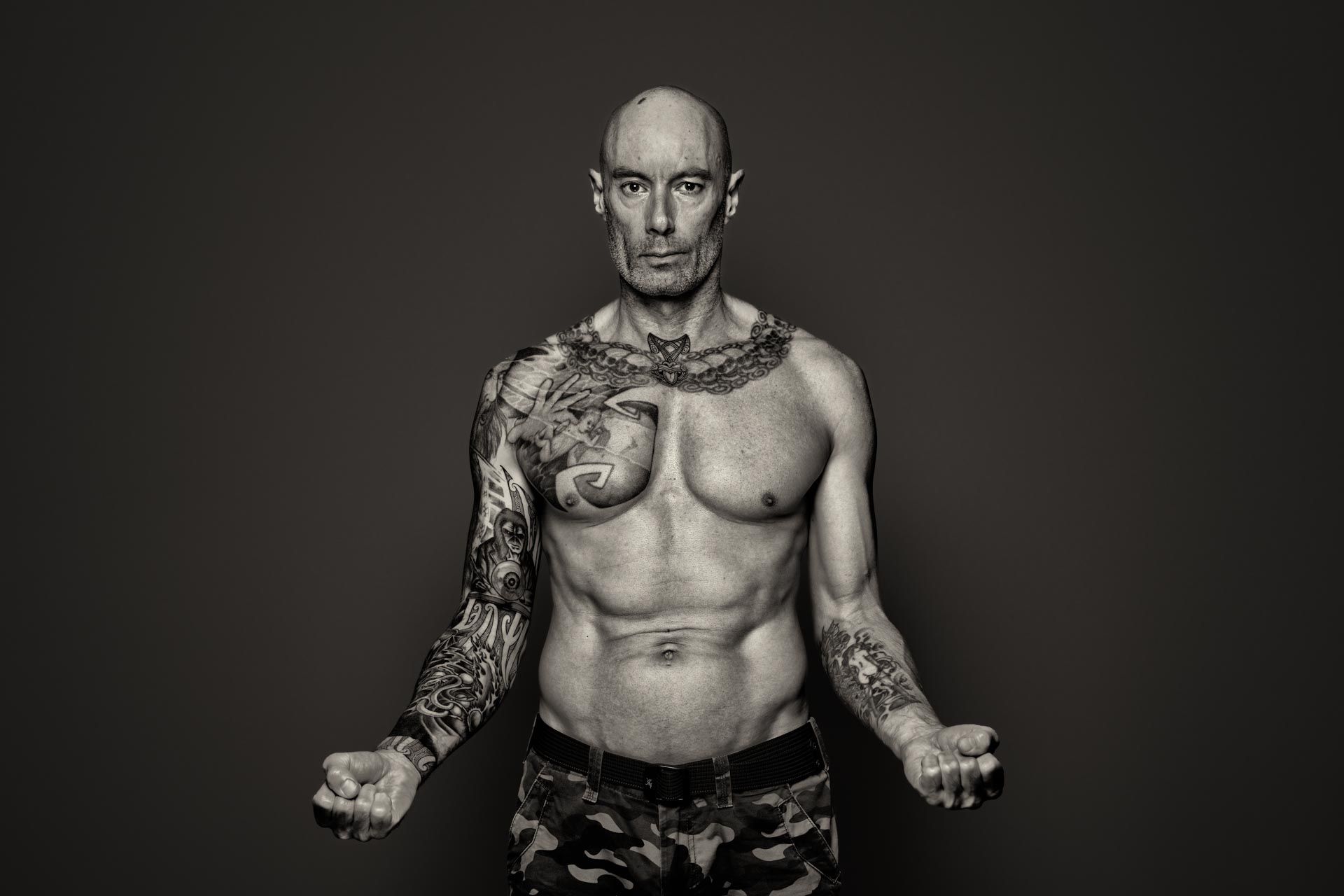
Rene’
I’m really fascinated by history. On a personal note, I recently revisited the place where my mother grew up in Northland. She comes from a Māori family, particularly the Ngāti Whātua iwi, and although she had a strong connection to that heritage, she hadn’t spoken much about it, especially regarding her father’s involvement in the Māori Battalion during World War II. She spoke fluent Māori, yet our family discussions rarely touched on that cultural side.
Earlier this year, I spontaneously traveled back to where my mother’s family has lived for hundreds of years. I began talking to some relatives still in the area and started to feel a stronger connection to my family history for the first time. I recognized parallels between these fascinating historical places I had visited in Europe and our own history, which isn’t as overtly documented. Māori history is primarily oral, passed down through generations.
As I visited historic sites in Northland, where some of our most famous chiefs lived and died, it created a deep impact on me. I started exploring my family and cultural history more thoroughly. Back when I was a teenager, I had an interest in tattoos. I collected pictures that I liked, but I soon realized that traditional tattoos carry significant stories about the history and culture of the people.
In the last couple of months, I have gotten a few culturally significant tattoos that reflect our history, specifically that of my mum’s iwi, Ngāti Whātua. It is the largest iwi in New Zealand, is known for its prominent chiefs, who are some of the most well-known figures in Māori history. Growing up, we learned a bit about this in school, but it was minimal. Delving into early New Zealand history, especially when Europeans arrived, has been captivating for me. People might assume I’m fully European by appearance, but there is so much more to my identity tied to my Māori heritage.
The tattoos I recently got were inspired by traditional Tā Moko styles. I found a studio in K Road where several artists work. After seeking a recommendation for someone skilled in Māori traditional tattooing, I got connected with one artist. Interestingly, he turned out to be from the same village in Northland where my mother’s family comes from, Te Ārai.
He asked me what I wanted to express through my tattoos. I learned that every traditional Māori tattoo is unique and tells a story related to one’s family history and personal values. I expressed my desire for them to represent those important cultural aspects of my heritage. After showing him some examples I liked from the internet, he recognized the style and created a beautiful design by hand.
One of the tattoos he designed for me is a depiction of a manaia, a spiritual guardian that runs down my arm, symbolizing strength, protection, and a connection to ancestral roots. He shared the meanings behind various symbols, revealing their significance—far beyond mere decoration. They are akin to hieroglyphs that convey specific ideas.
He crafted my tattoo in the traditional Ngāti Whātua style, meaning those familiar with this art can identify our tribal affiliation from the design’s lines. For example, the manaia typically features the head of a bird, the body of a human, and the tail of a fish. On my tattoo, the tail represents resilience and strength, while symbols resembling two pregnant women facing each other signify connection to family.
One symbol is for whānau (family), represented by the koru fern, illustrating the relationship between generations. Together, these symbols signify a connection between the living, the dead, and everything that exists in the universe. Another important symbol in my tattoo is the Mangopare, depicting the hammerhead shark—representing strength and resilience, often associated with warriors, reflecting the legacy of our esteemed ancestors who were both warriors and chiefs.


Leave a Reply
Want to join the discussion?Feel free to contribute!