
Tag Archive for: Fine Art Photography


Craig Smyth

Craig Smyth
“My name is Craig. I’m a 60-year-old Kiwi who spent most of my life in construction. Two years ago, everything changed when I had an accident. While carrying a heavy steel prop with two workmates, they lost their grip. The full 150 kg weight crashed down on my shoulder, leaving me seriously injured. I’ve been on a long road since — surgeries, recovery, and living on ACC [Accident Compensation Corporation]; but also a journey of transformation.
That accident forced me to face my health head-on. At the time, I weighed over 110 kilos, felt constantly tired, and was deeply unhappy. My doctor warned me that if I didn’t change my lifestyle, I was heading for a stroke or heart attack within two years! That hit me hard. I knew it was now or never.
I committed to a complete reset — cleaner eating, daily exercise, and accountability. I switched to a high-protein, low-carb carnivore-style diet, cutting out processed foods and sugar. This is an extremely restrictive, high-fat diet consisting entirely of meat, fish, and animal products: chicken, beef, ham, eggs, sausages etc., eliminating all sugars, fruits, vegetables, grains, nuts, and seeds. It wasn’t easy, but it worked. Bit by bit, the weight came off. The energy came back. The spark returned. This has improved my mental clarity and reduced inflammation with risks of nutrient deficiencies and high cholesterol levels.
Today, I weigh 77 kilos — that’s over 30 kilos lost. My doctor says my body is balanced, my heart is healthy, and I’m within my ideal range. But the real victory is how I feel: strong, focused, and alive again.
Now, I’m channeling that new strength into something bigger than myself. Starting March 1st, I’ll be walking 12 hours a day for seven days around Cornwall Park: a massive journey to raise awareness and donations for Starship public children’s hospital, helping children who are battling illness in Auckland and across New Zealand.
This journey is about more than fitness; it’s about purpose. I was given a second chance at life, and I want to pay it forward.”


Naomi and the crown of thorns
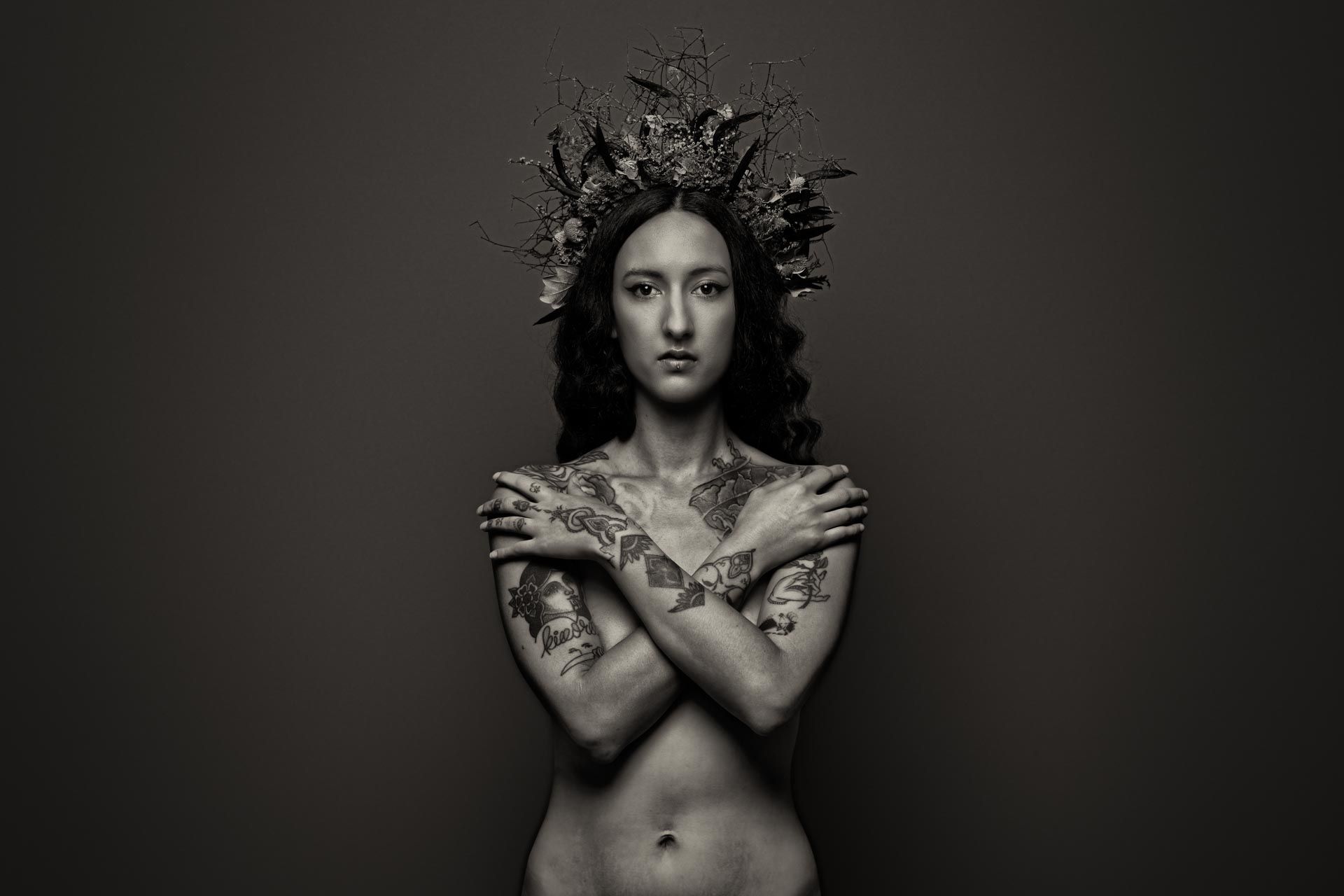
Naomi Anna Groet-Pairama
“I’ve always been a wild child since crossing through the portal onto this giant rock, diving into the human experience. From a young age, I felt everything deeply—in awe of the leaves on trees, the tiny ants tiptoeing across them, and the complex web of love and pain within me. Love has always been my gift, but with it comes a hefty dose of heartbreak. It’s a blessing and a curse, making me vulnerable and raw.
As I inch toward 29 laps around the sun, my journey has been filled with moments of pure joy and devastating heartache. Childhood trauma stole my innocence, forcing me to grow up much too fast. I soon fell into a passionate, yet destructive, affair with drugs and alcohol, from my preteens into adulthood—an ongoing struggle.
Creativity and passion have always defined me. I started as a chef, helping my dad with catering, then working at a fish and chip shop at 16, and completing my apprenticeship by 21. The kitchen made me feel alive, like I belonged somewhere. For the first time, I allowed myself a flicker of pride, pushing toward my goals with relentless determination. I believed I was in control, but in reality, I was battling my ego.
The industry’s stress, long hours, and external chaos pushed me deeper into addiction. I worked insane shifts, then spiraled into alcohol, cigarettes, and eventually harder substances—covering it all with a careful illusion of being fine. But the inevitable crash came. A traumatic incident pushed me to the edge, and I lost everything—my career, home, money, health, and sanity. I pushed away those who cared, convincing myself everyone was against me, living on a cocktail of uppers and downers.
Sometimes, it takes hitting rock bottom to climb back up. I consider myself lucky to have escaped that abyss. I worked hard to rebuild my life, moving away, finding a new job, and staying mostly sober—despite a few setbacks. Then I met my prince charming, who I idolized. But he was also battling addiction, and once again, I found myself on the rollercoaster. This time, I wanted more.
Fate had other plans—after five months of sobriety, I fell pregnant with our beautiful son. He truly saved me. His arrival reminded me what life is all about. I now focus on replacing old habits with healthy ones, transforming negative patterns into positivity. My goal is to be the best mother I can be, because my son deserves a healed, whole version of me.
Facing our shadows isn’t easy, but I believe our children deserve the most healed versions of ourselves. Letting go of shame—so ingrained in addiction—is a daily battle. The cravings never truly vanish; you learn to manage them, taking life one day at a time. I’ve realized I was living in fear and hiding from myself and others. But now, I’m stepping into my power, embracing my purpose. I refuse to be a victim of life—I am here to live it.
To anyone fighting the same battle: don’t give up. You’ve got this.❤️”

Calvin
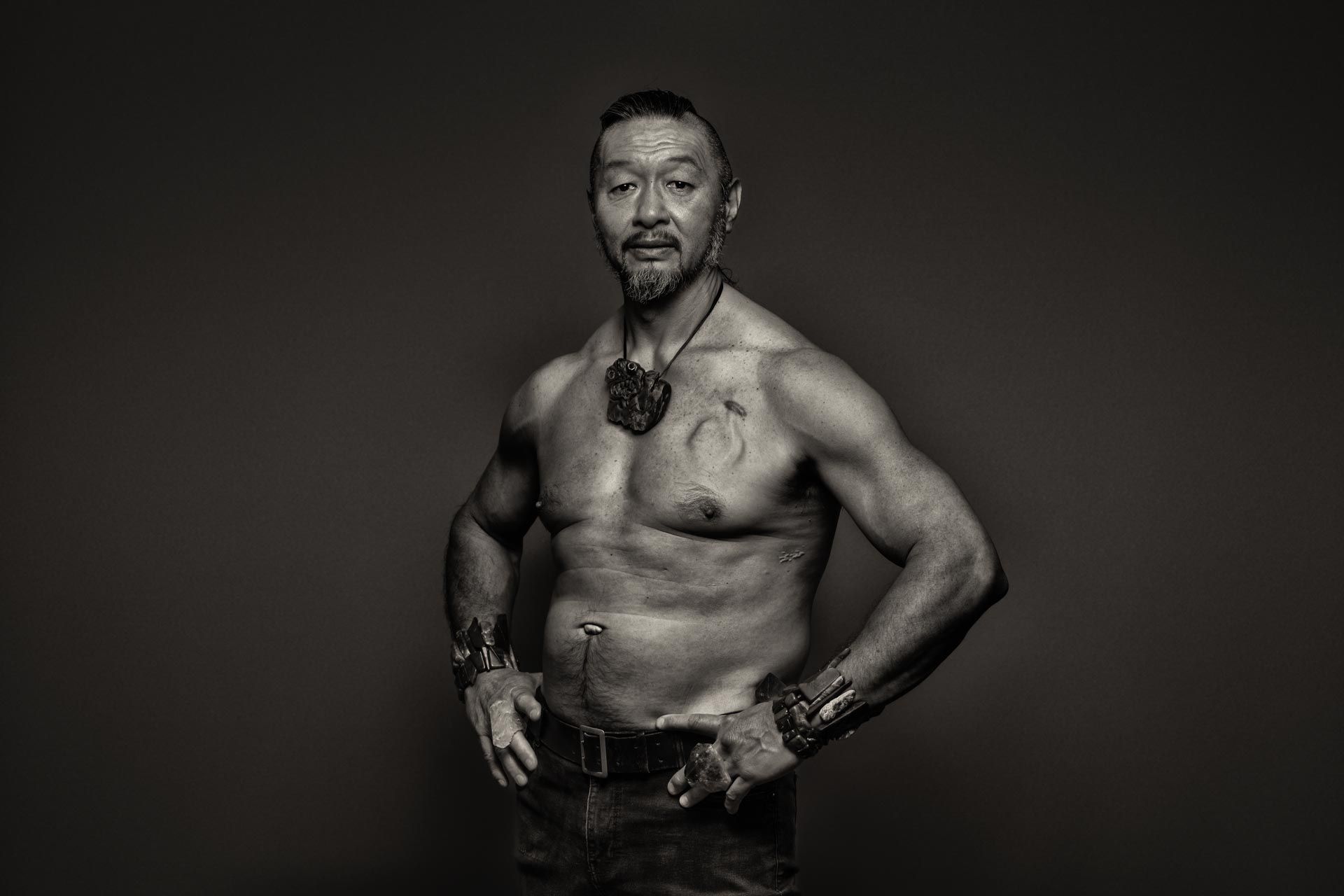
Calvin Chan
“My name is Calvin, originally from South Africa, now calling New Zealand home since 2000. Growing up wasn’t easy—back then, I faced challenges on the other side of the racial divide in my home country. When I arrived in New Zealand, it was a fresh start, but I carried heavy baggage.
I was drinking heavily, downing two liters of scotch a week, straight, no chaser, just neat. It was my crutch.
Three years ago, something shifted—a gut feeling, a higher power, call it what you will. I knew I had to quit drinking. So, I did. Cold turkey. Not a drop since, and I’m proud of that.
But life had more tests for me. Soon after, I suffered a double stroke on the left side of my brain, which affected my left arm. Then, just over a year ago, I had a cardiac arrest. My friend stepped in, keeping me alive for 45 minutes until the ambulance arrived. My doctor was stunned I survived. He told me the odds were slim—only a 25% chance of surviving a cardiac arrest in a hospital with all the equipment, and out in the world? A mere 10%. I’d beaten the odds, like winning the lotto multiple times.
Thankfully, New Zealand’s incredible medical system stepped up. They implanted a defibrillator in my chest to shock my heart back into rhythm if it falters. That machine is my guardian angel.
Through it all, I found a new path. I’ve been sober for three years, and I’ve discovered a passion for stone carving. In just a year, I’ve made progress that’s amazed those around me. It’s more than a craft—it’s my way forward, a new chapter in my life”
I’m still here, defying the odds, and I’m grateful every day for it. Here’s to resilience, second chances, and finding beauty in the journey.”

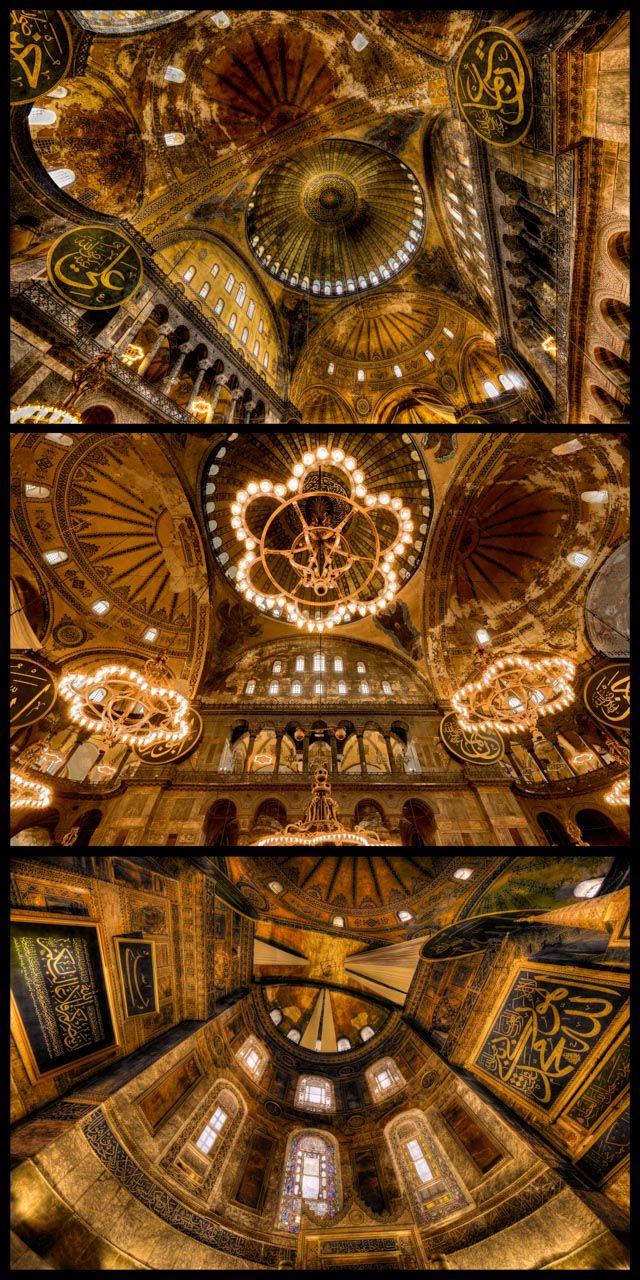
Hagia Sophia
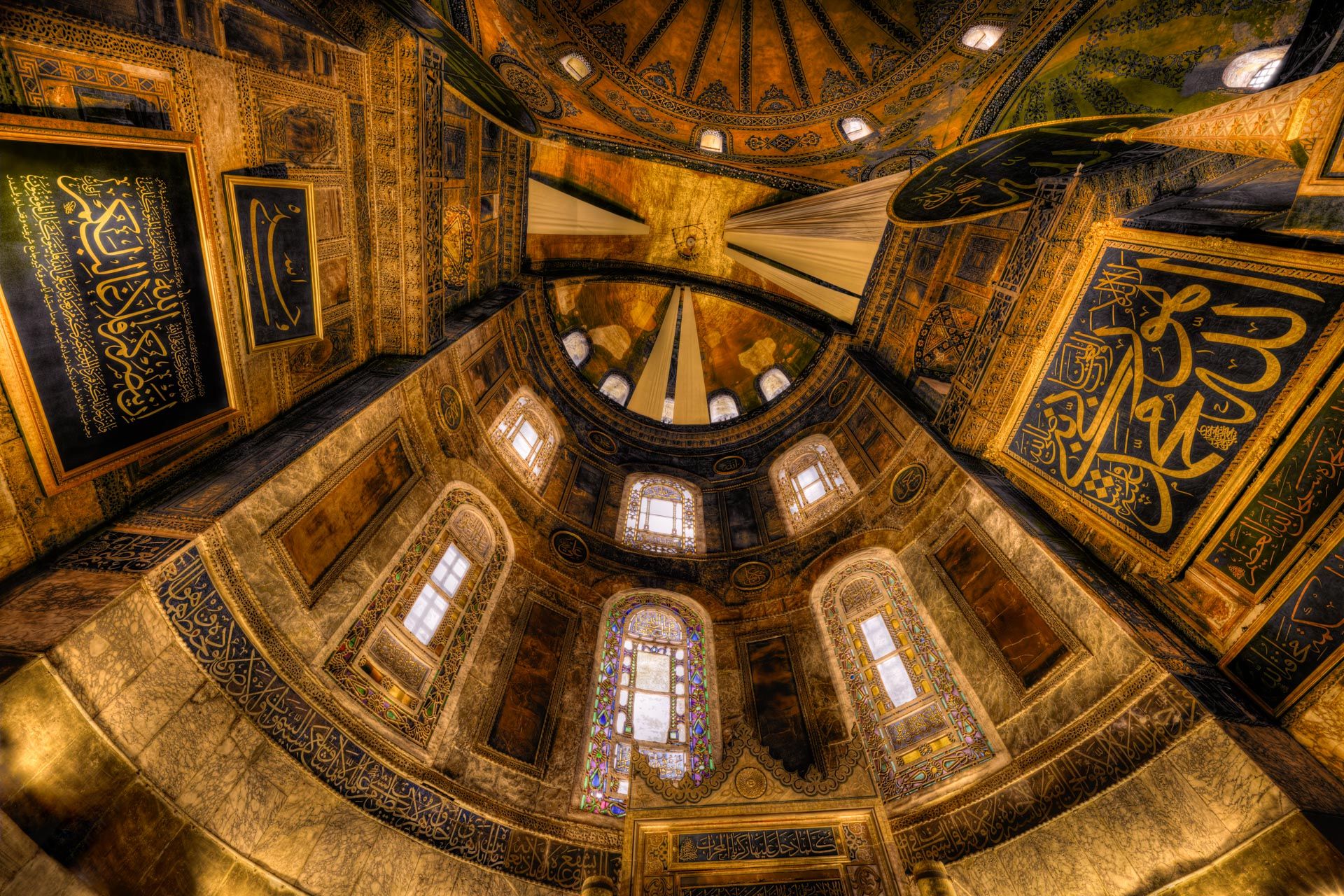
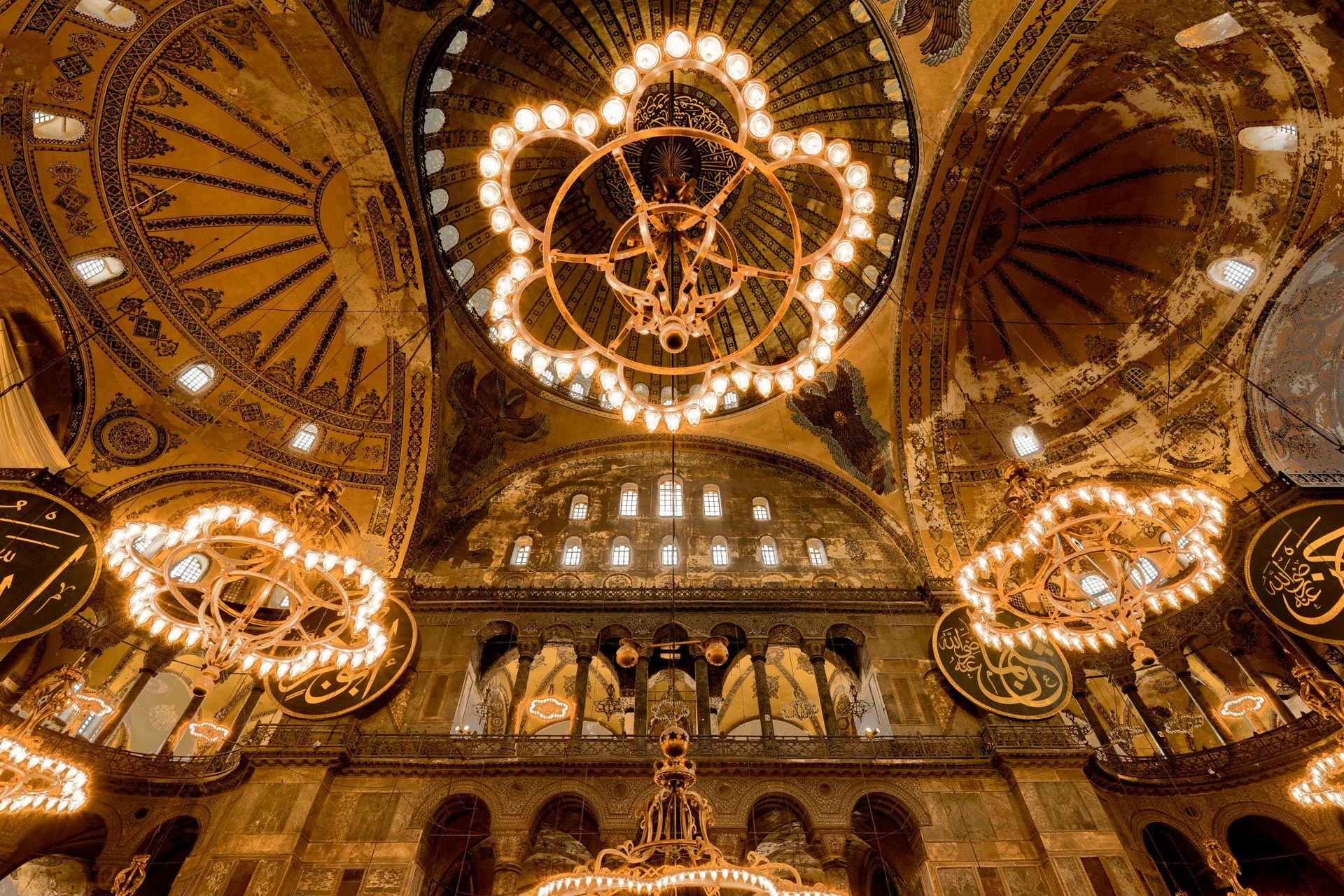
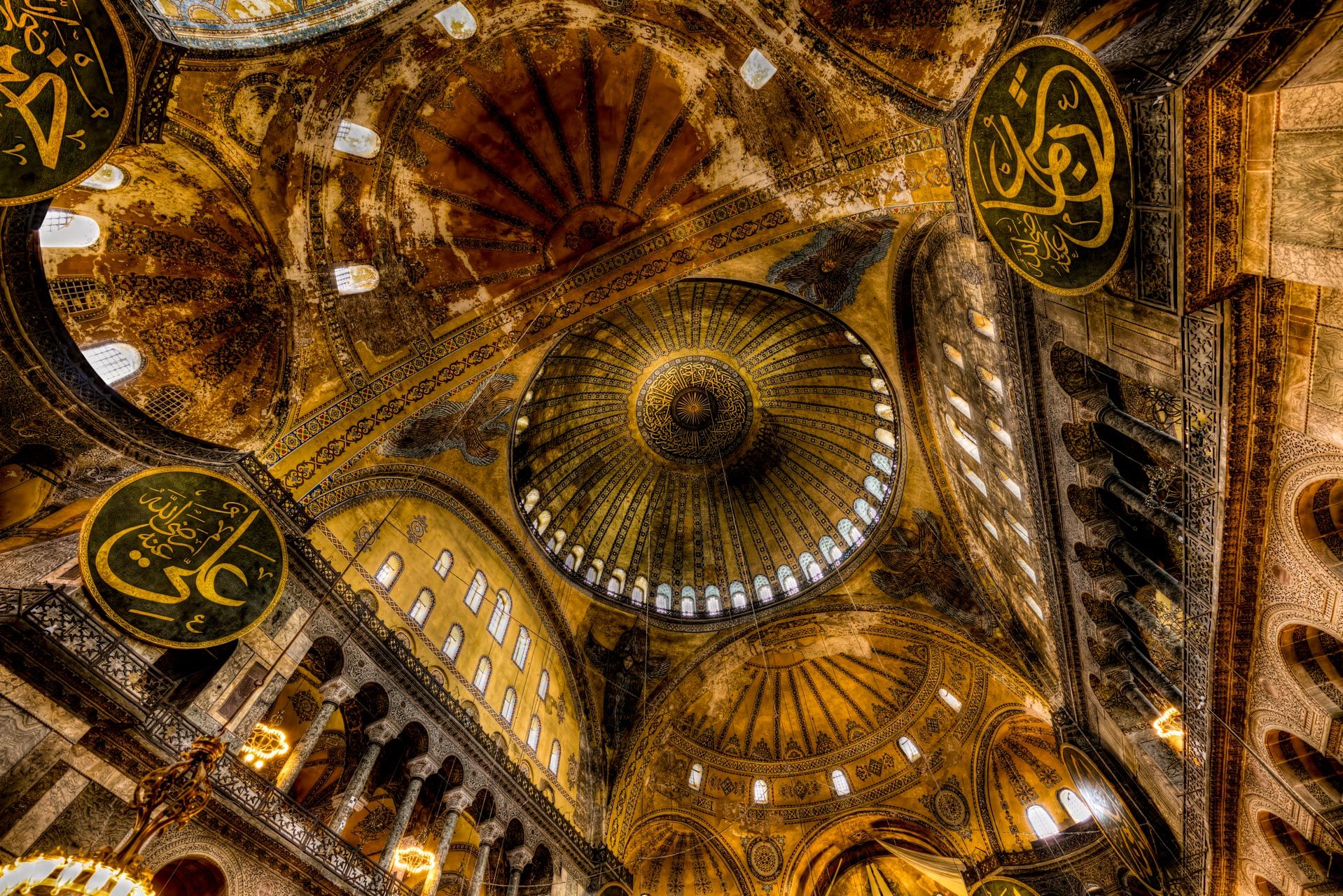
Hagia Sophia is a former cathedral, mosque, and now a mosque located in Istanbul, Turkey. It’s a UNESCO World Heritage site and a globally recognized symbol of architectural brilliance and cultural significance. Initially built as a church in the 6th century, it was later converted into a mosque and then a museum before being reconverted into a mosque in 2020.

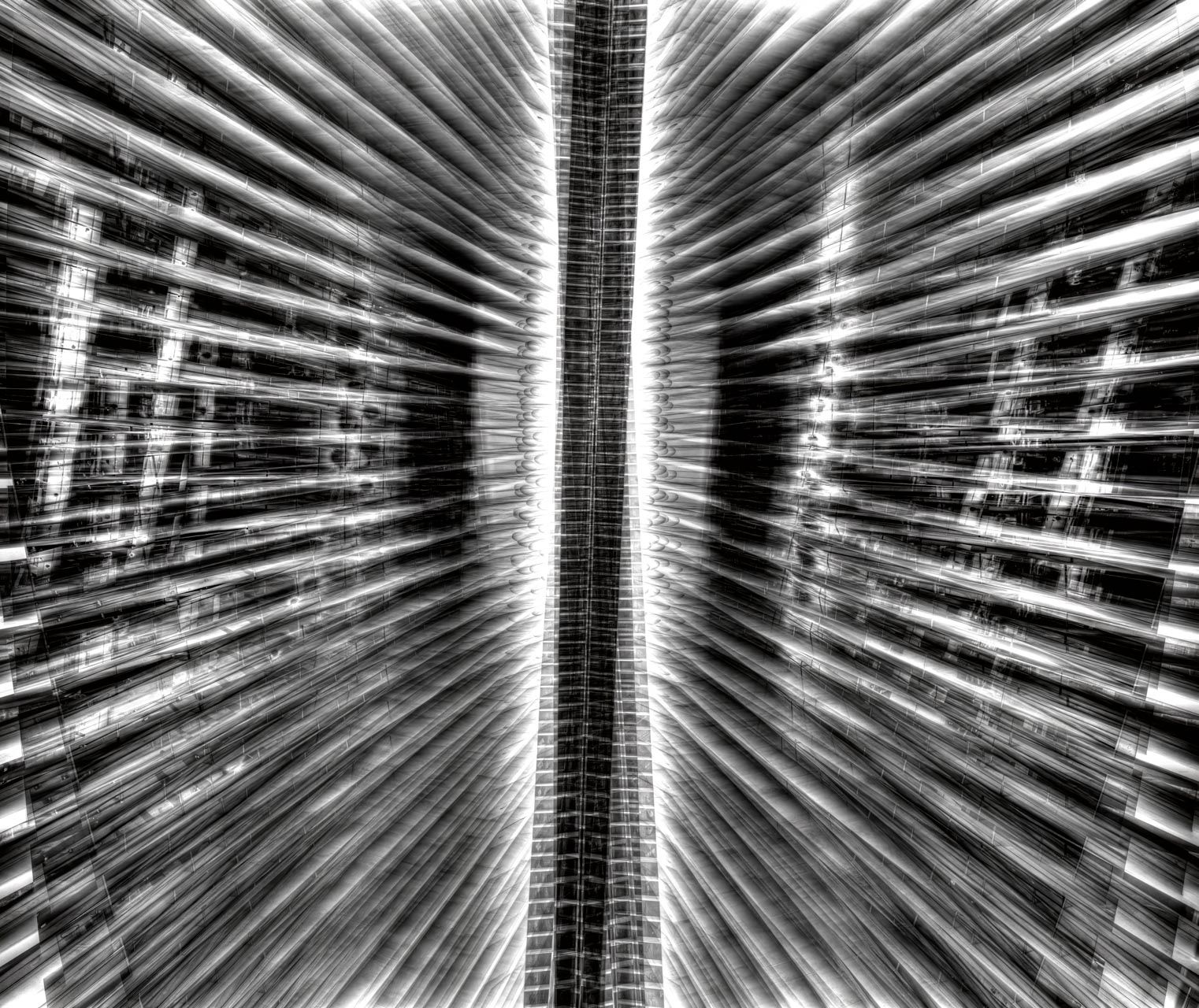
Brooklyn Bridge
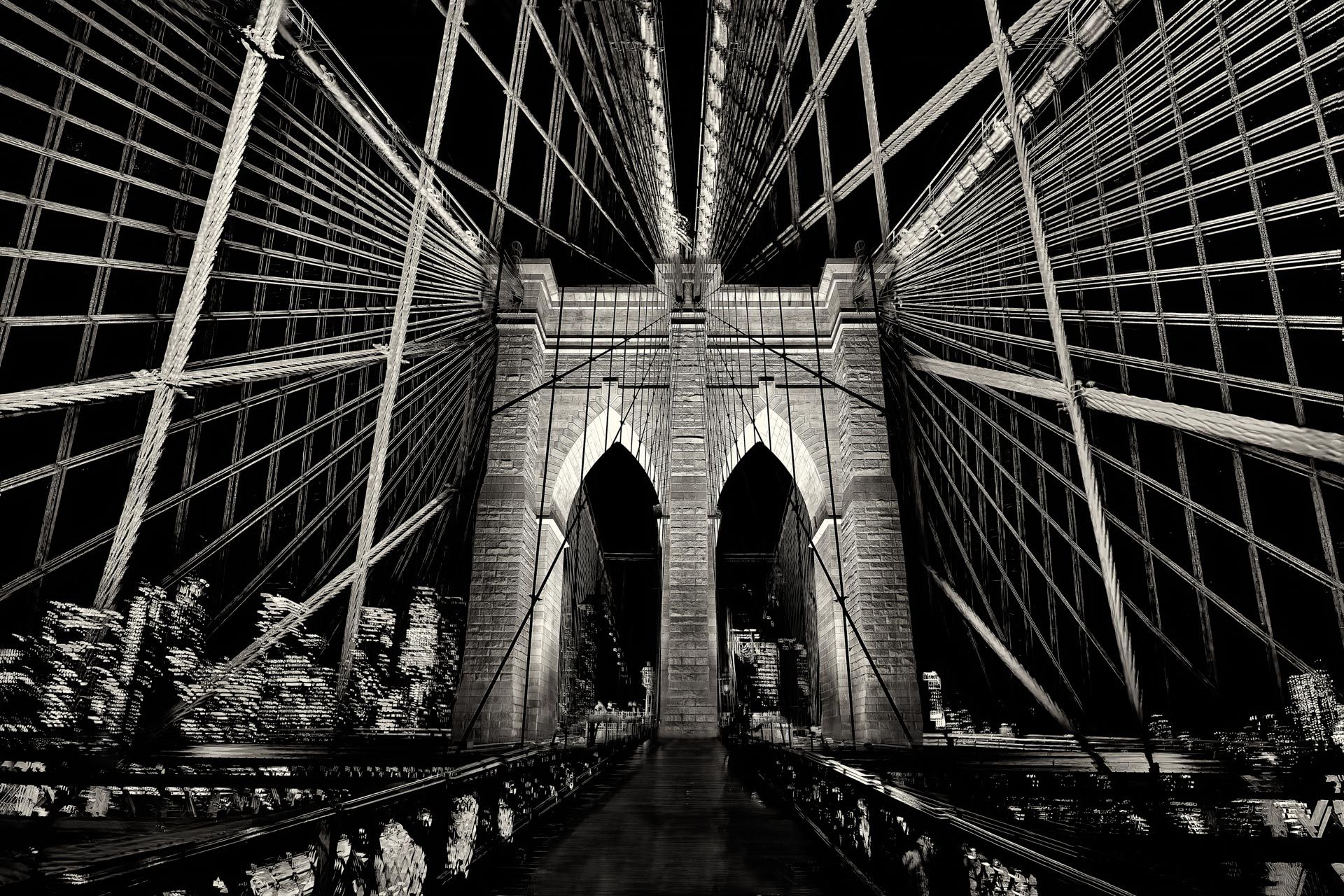
Silver Award for ‘Brooklyn Bridge’ at the 2025 Australian Prize – Architecture category

Fairy Chimneys
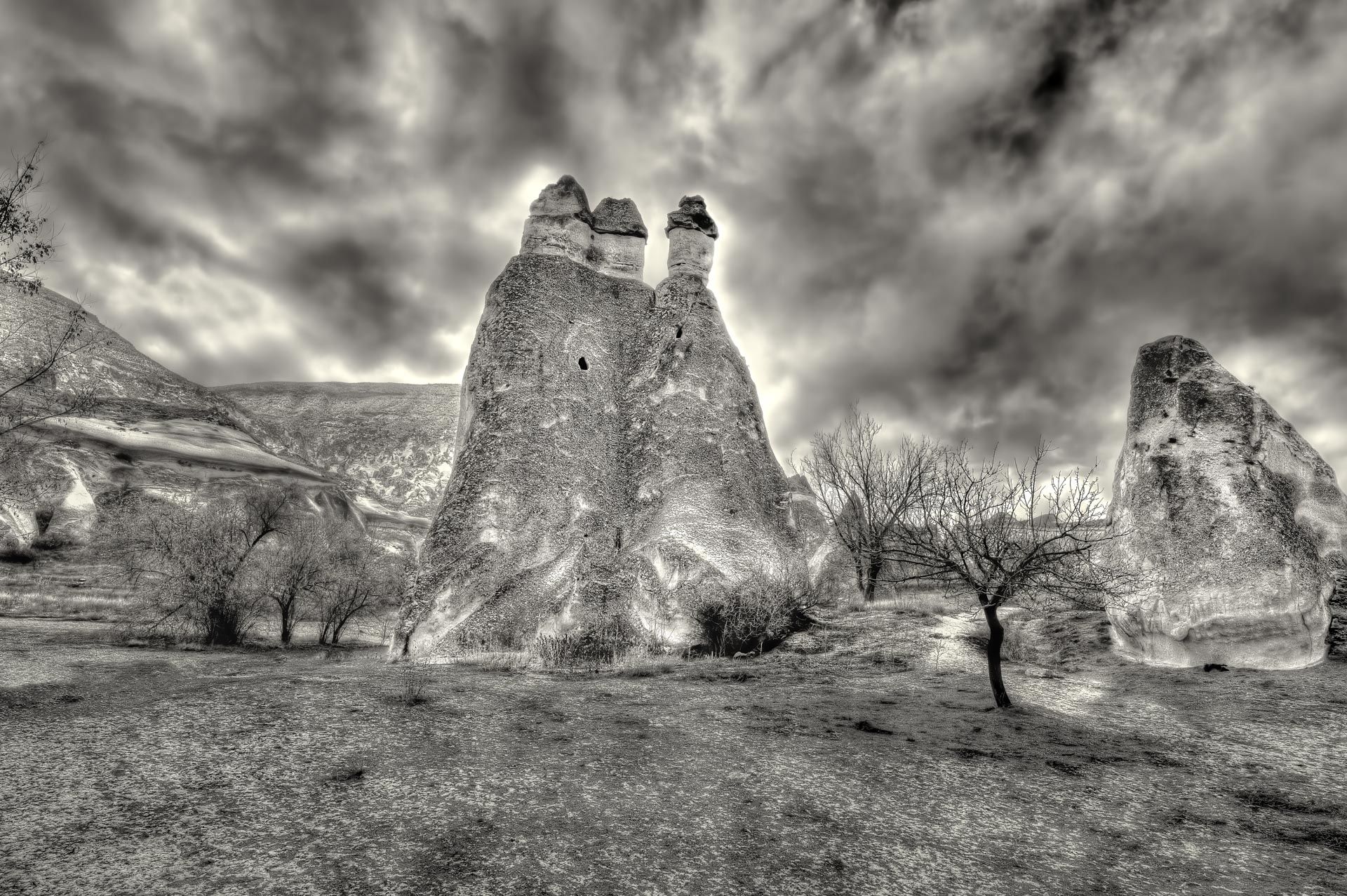
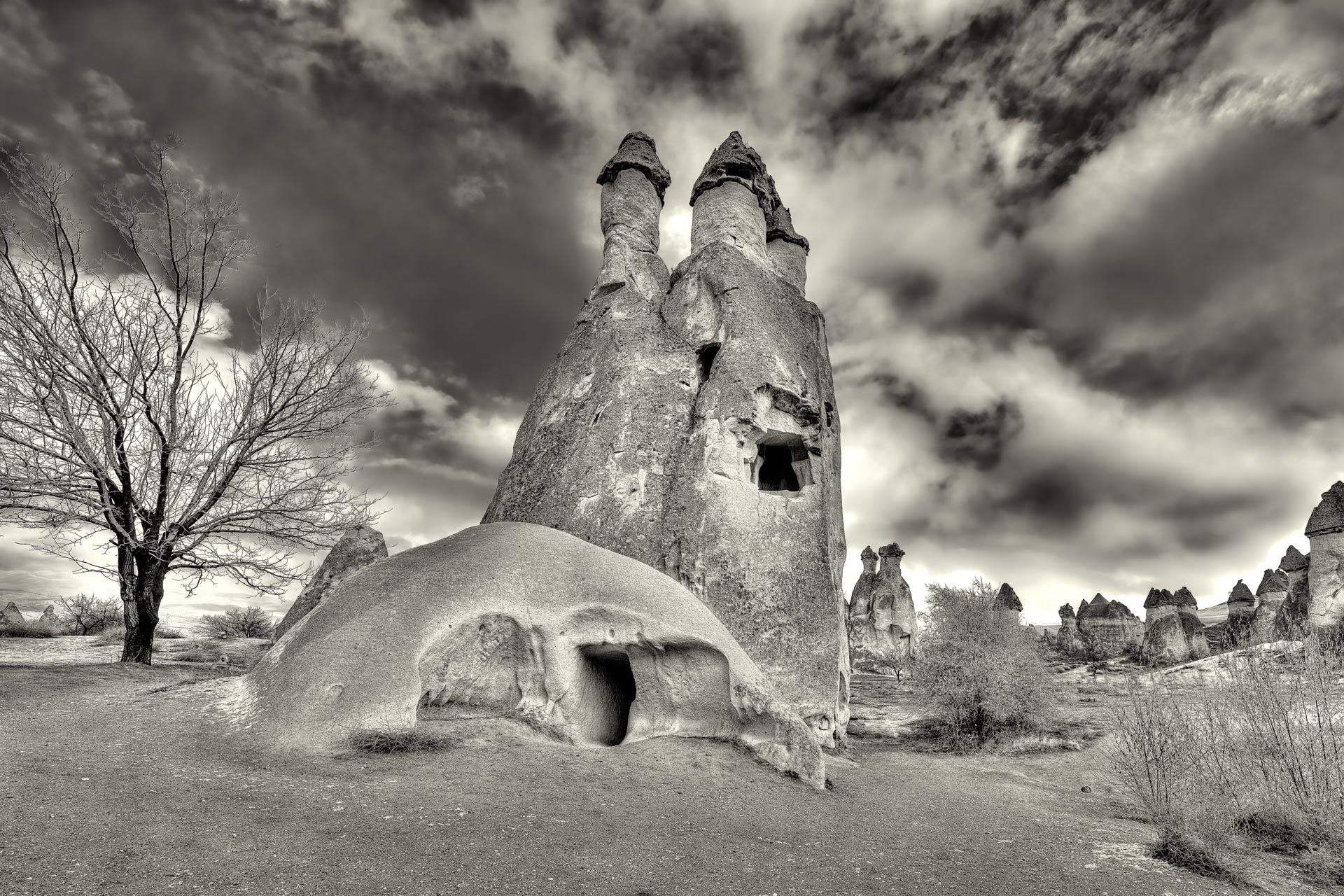
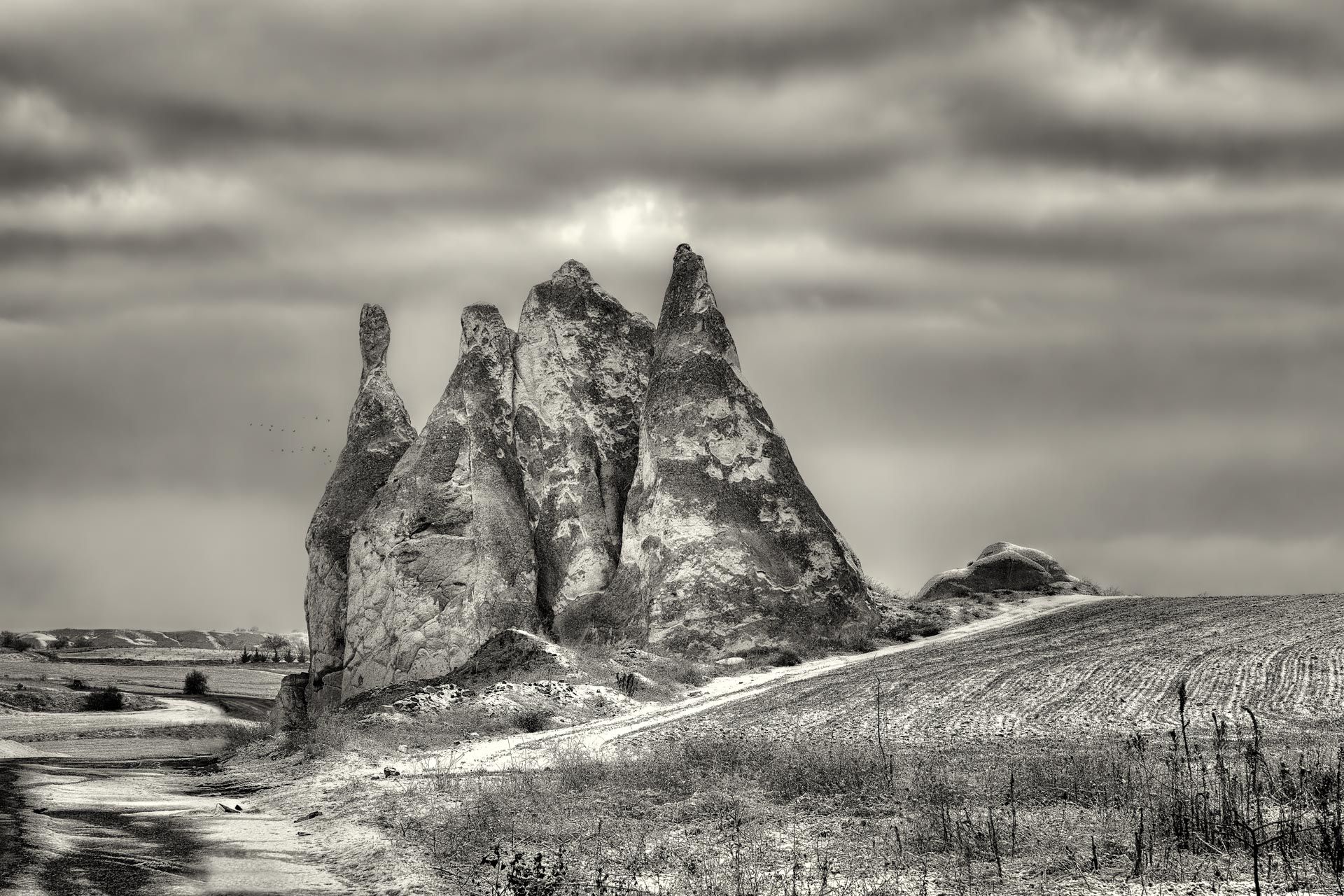
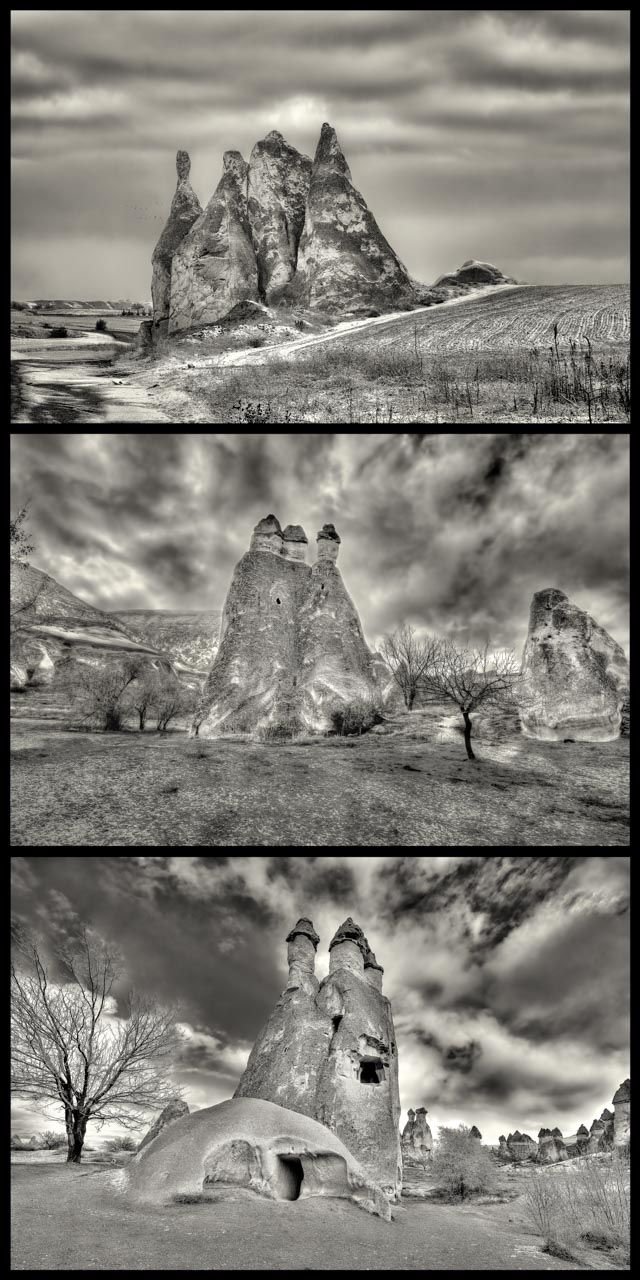
The Fairy Chimneys of Cappadocia, Turkey, are unique rock formations, shaped like cones or spires, created by millions of years of volcanic activity, erosion, and weathering. Formed from soft tuff (volcanic ash) deposited by ancient eruptions, these structures were sculpted by wind and rain, with harder basalt caps protecting the softer rock beneath, giving them their distinctive shapes. They range from a few meters to over 40 meters tall.
Found in the Göreme Valley and surrounding areas, these formations are part of a UNESCO World Heritage Site. Many have been carved into homes, churches, and monasteries since the Bronze Age, especially during the Byzantine period (4th–13th centuries), with intricate frescoes in places like the Göreme Open-Air Museum. The region’s surreal landscape also includes underground cities like Derinkuyu and Kaymakli, built for protection.

2025 Australian Prize
Portrait Category
Landscape Category
Architecture Category
Travel Category

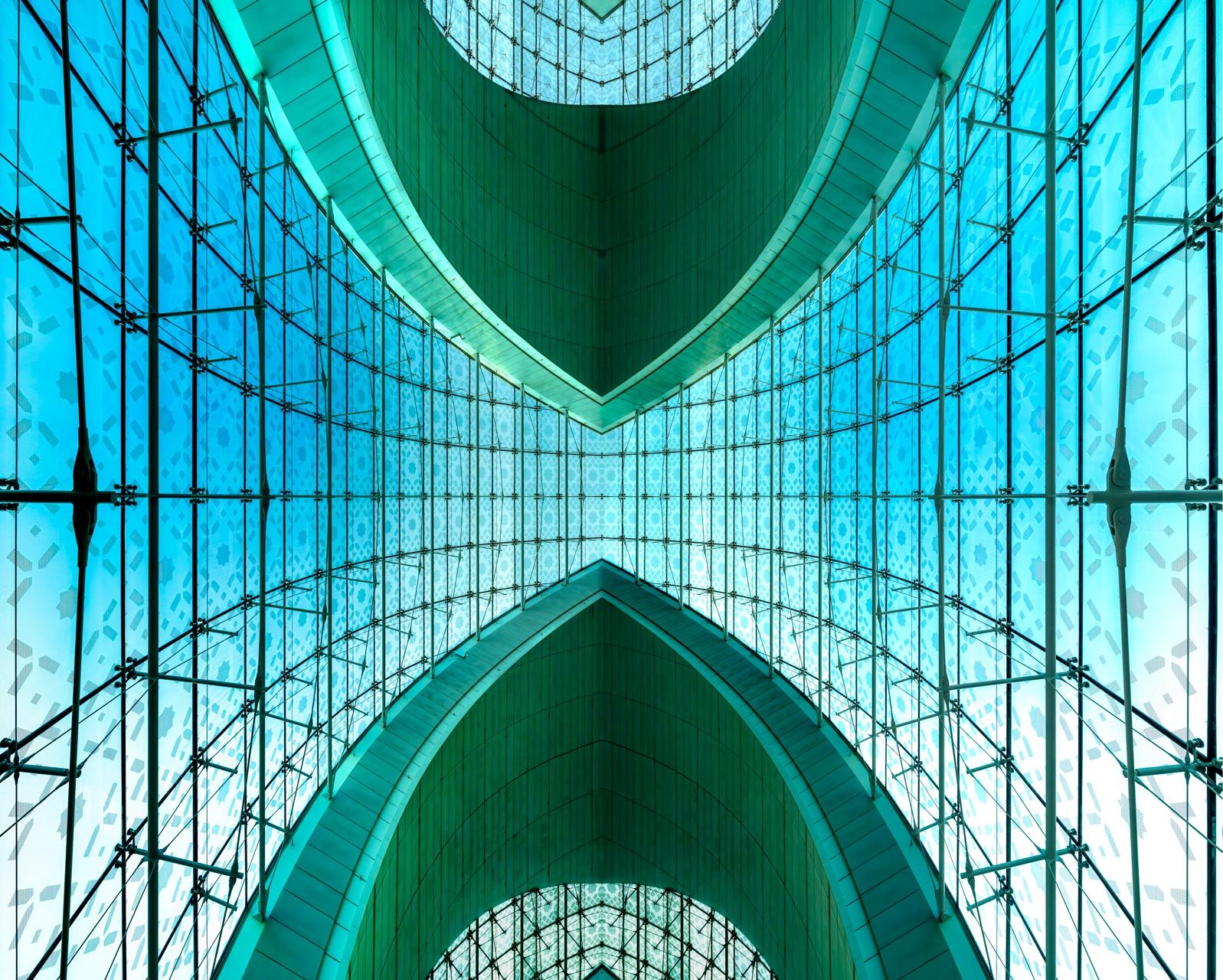
Turquoise
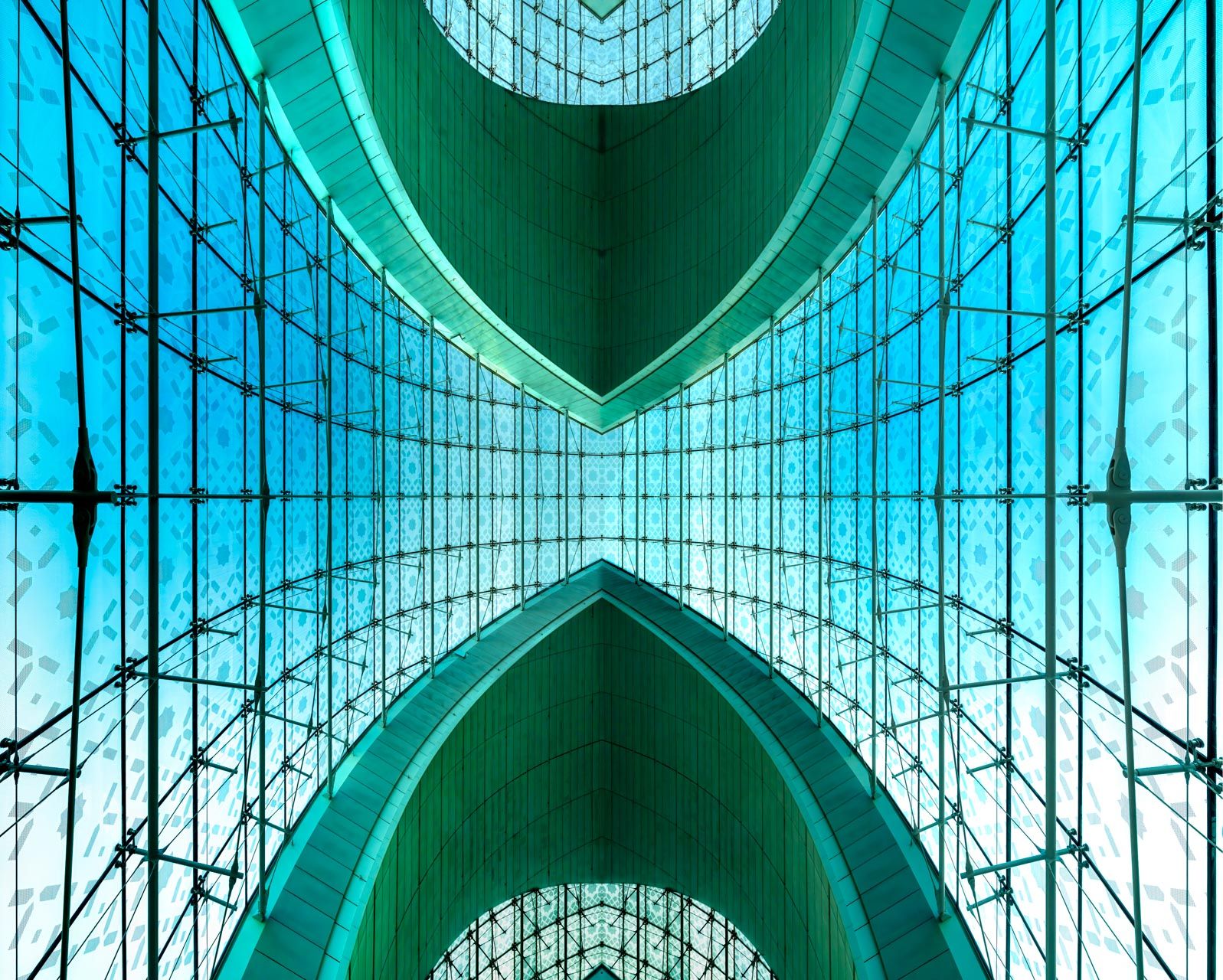
Delighted and honoured to win the 2025 International Architecture Photographer of the Year Award for ‘Turquoise’
Have you ever craned your neck to gaze skyward and been struck by the unexpected beauty above? In the dance of architecture and the vibrant hue of turquoise, there’s a world of wonder waiting to be captured through the lens of fine art photography.
Picture this: the soaring arches of a Gothic cathedral, their intricate stonework framed against a turquoise sky at twilight. Or the sleek, modern lines of a skyscraper’s glass facade reflecting a shimmering turquoise pool below. These moments, often missed in our hurried lives, are where architecture transforms into art. Fine art photography freezes these fleeting intersections of structure and color, inviting us to pause and marvel.
Turquoise, with its calming yet vibrant energy, acts as a perfect muse. It’s the sky just after a storm, the patina on a weathered copper dome, or the bold accent in a minimalist building’s design. When photographers look up, they find this hue weaving through spires, rooftops, and open atriums, creating compositions that feel both timeless and surreal.
The surprises we uncover when looking up are endless—ornate gargoyles grinning from centuries-old buildings, geometric patterns in modern skylights, or a flock of birds slicing through a turquoise horizon. Fine art photography elevates these discoveries, turning them into stories of light, shadow, and color. Each image challenges us to see the world anew, to find beauty in the overlooked details above our heads.
So next time you’re wandering through a city or a historic site, tilt your gaze upward. Let the marriage of architecture and turquoise spark your imagination. And if you’re lucky enough to capture it through a lens, you’re not just taking a photo—you’re creating a masterpiece that celebrates the wonders above.




Man and Buoy
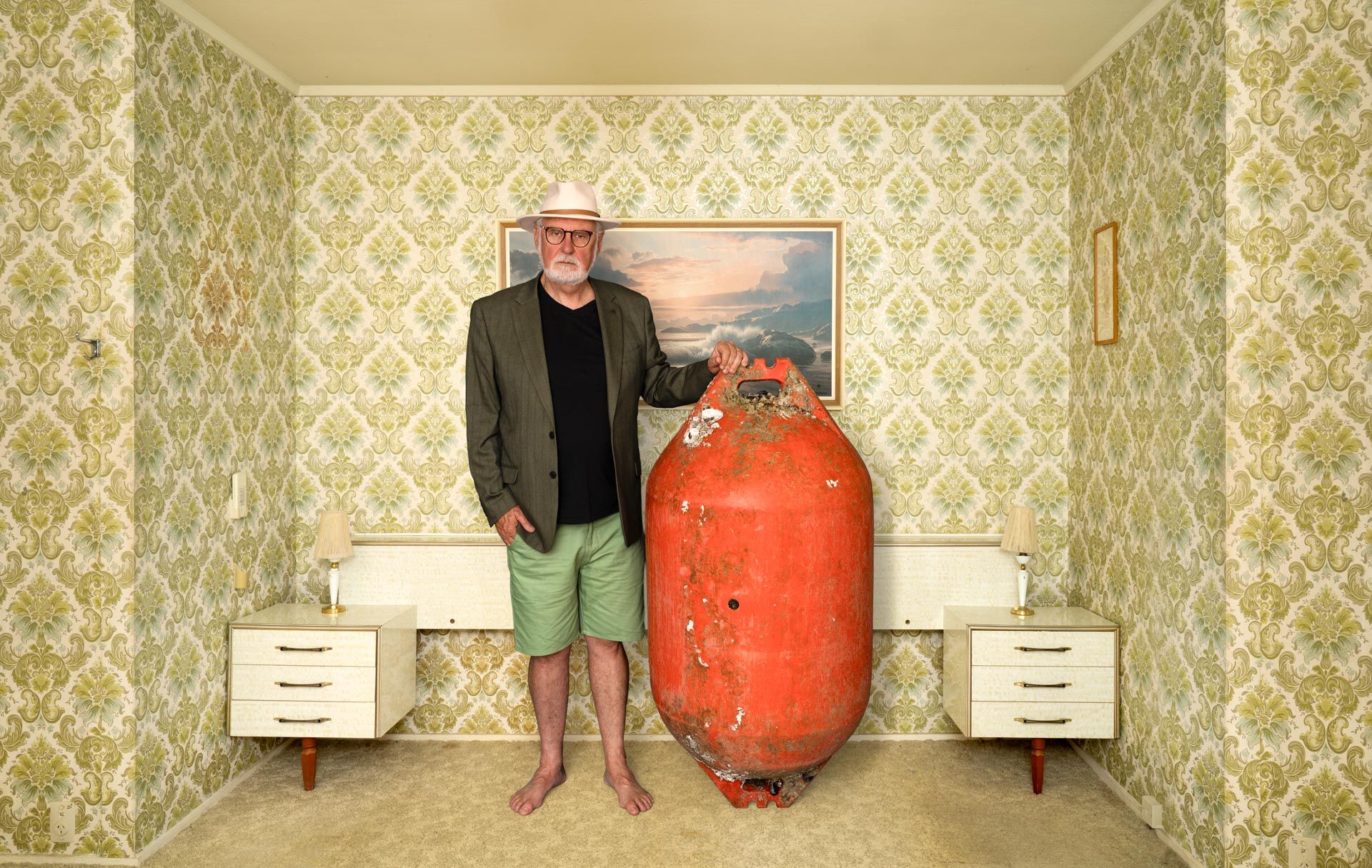
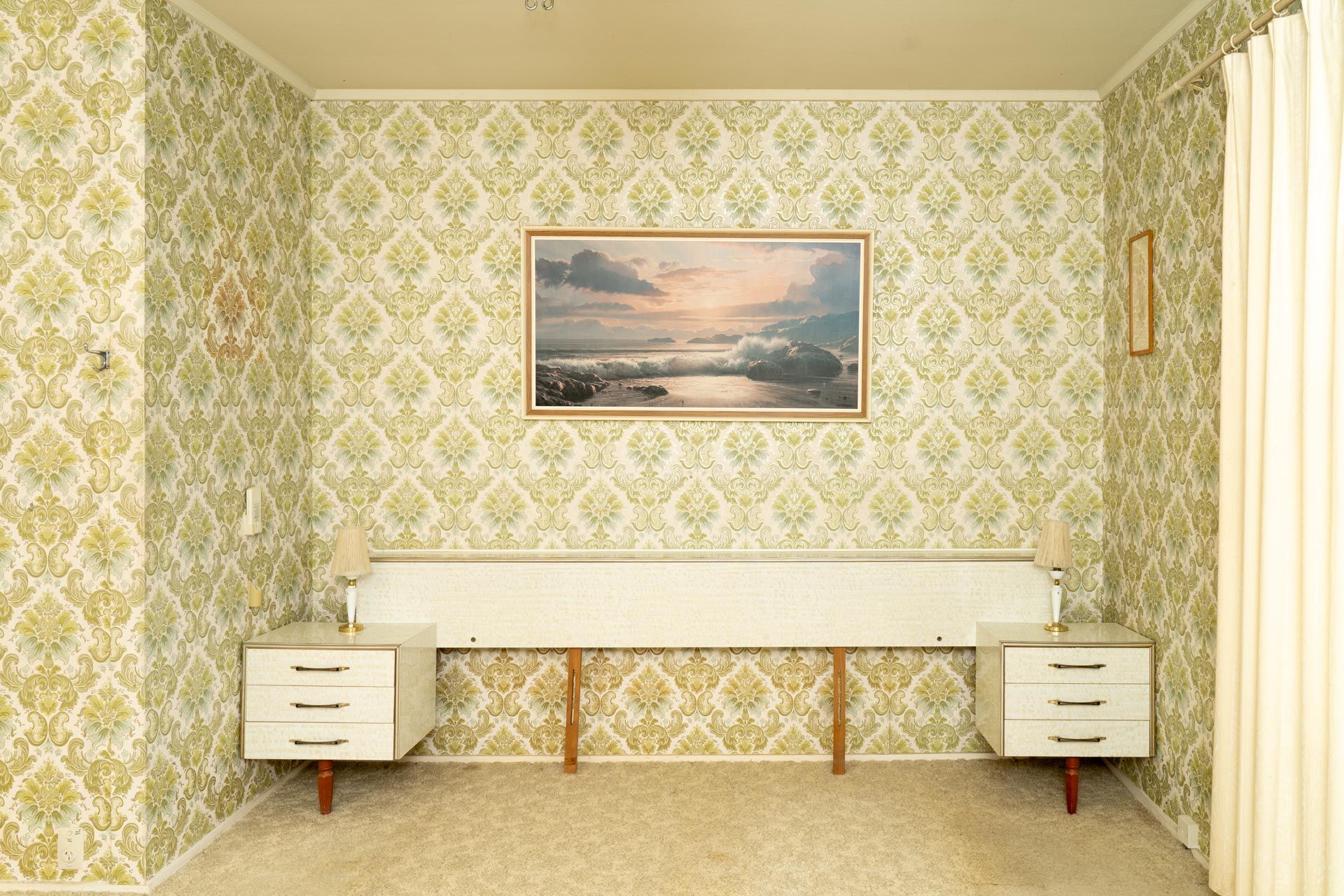
In a quirky, retro bedroom, “Man and his Buoy” captures a weathered soul, leaning on a giant buoy, barnacles clinging to its sea-worn surface. His somber gaze meets the camera, set against vibrant ‘60s wallpaper. This Wes Anderson-esque portrait whispers a tale of a man adrift, tethered to his buoyant companion, carrying the ocean’s secrets into the stillness of his eclectic haven.
This as a wry portrait where humour meets tenderness: a man and his improbable companion, that battered orange buoy, set inside a prim, retro room. It hints at memory, collecting, and the odd things we keep close. The matching cabinets and lamps set a formal rhythm, while the buoy’s colour dominates and plays against the green wallpaper. The one‑point perspective pulls our eyes to the centre and holds the scene together against the outrageous texture — the buoy’s crust, the patterned paper, the soft carpet — all give the frame tactile interest.

Yawning Camel
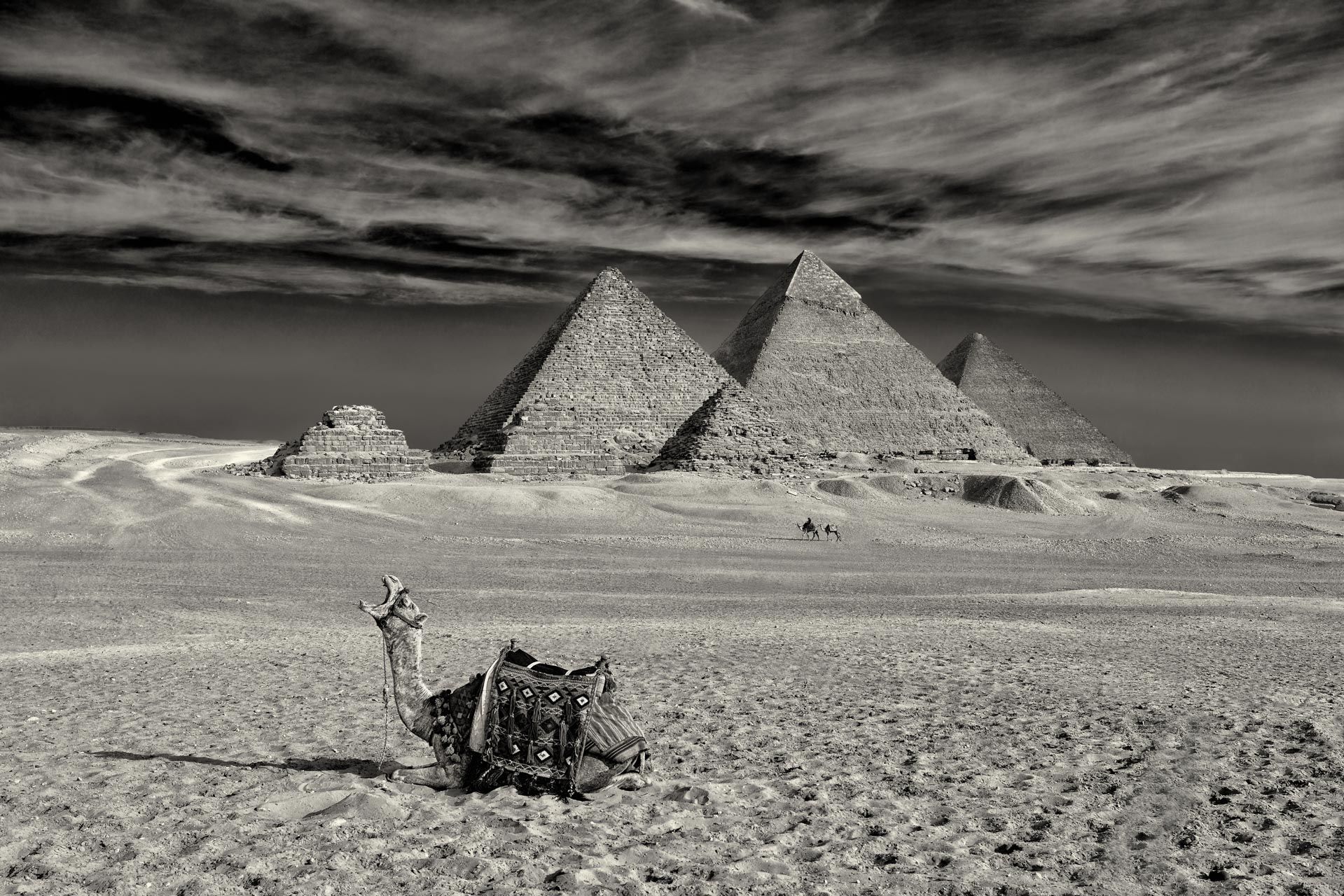
Built around 2630 BCE for Pharaoh Khufu, the Great Pyramid of Giza, is the largest of the three pyramids on the Giza Plateau in Egypt. Standing at 146.5 meters (481 feet) tall, it was the tallest man-made structure for over 3,800 years. Constructed with approximately 2.3 million limestone and granite blocks, each weighing 2-50 tons, it showcases remarkable engineering precision. Its alignment to true north is accurate within 3/60th of a degree, and it originally covered 13 acres at its base.
The pyramid was part of a complex including two mortuary temples, a causeway, and smaller pyramids for Khufu’s queens. Its internal structure includes the King’s Chamber, Queen’s Chamber, and a Grand Gallery, with narrow passageways and a subterranean chamber. The exact construction methods remain debated, but theories suggest ramps, levers, and a workforce of tens of thousands, likely not slaves but skilled laborers and conscripts.
It was originally clad in polished white limestone, making it gleam in the sun, though much of this casing has been removed over time. The pyramid’s purpose was primarily as a tomb, though no mummy was found, and it holds cultural and religious significance tied to Egyptian beliefs about the afterlife.
Today, it’s a UNESCO World Heritage Site and one of the Seven Wonders of the Ancient World, drawing millions of visitors. Its enduring mystery fuels speculation, from precise astronomical alignments to fringe theories about lost technologies, though mainstream archaeology attributes it to the Old Kingdom’s advanced organizational and engineering capabilities.


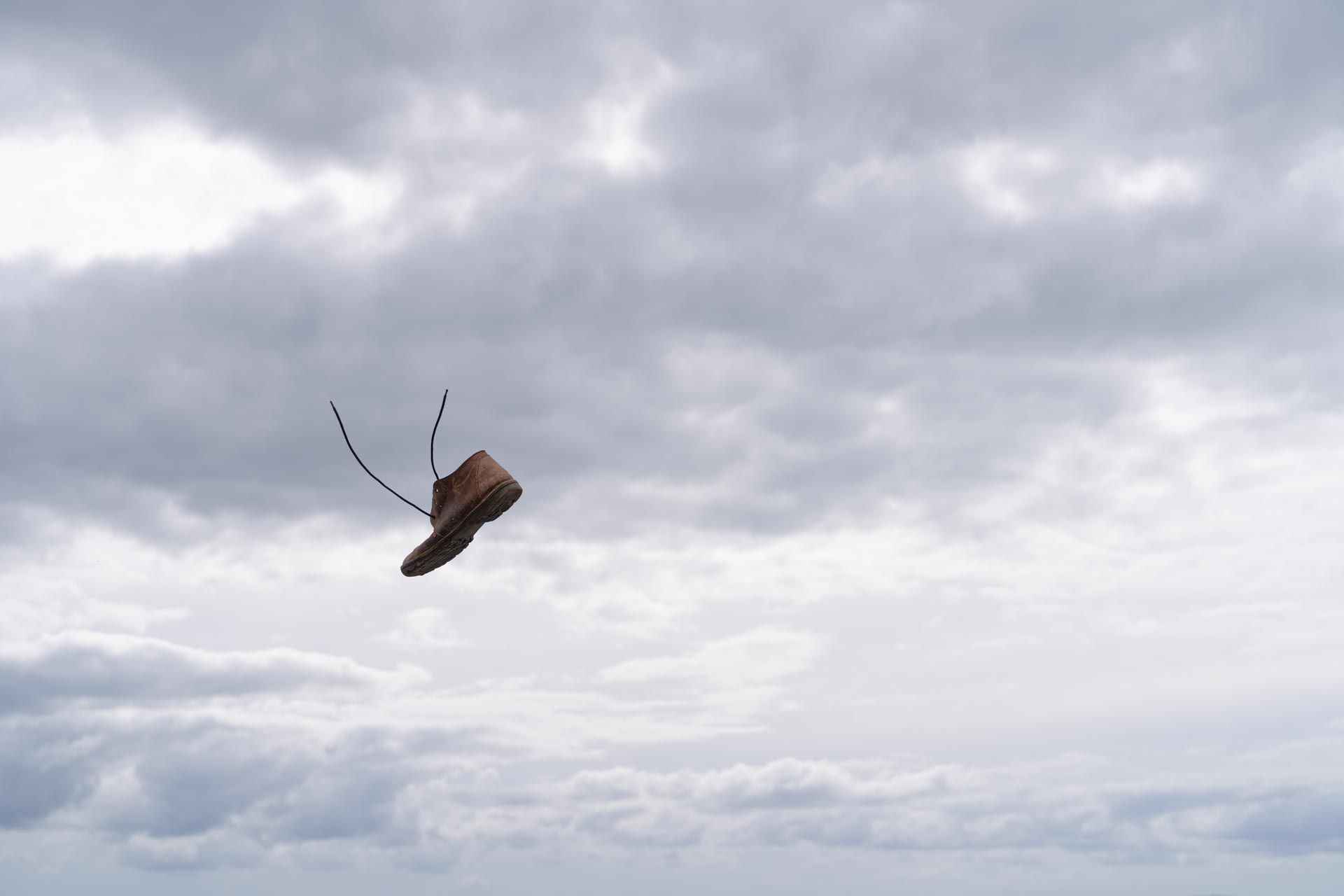
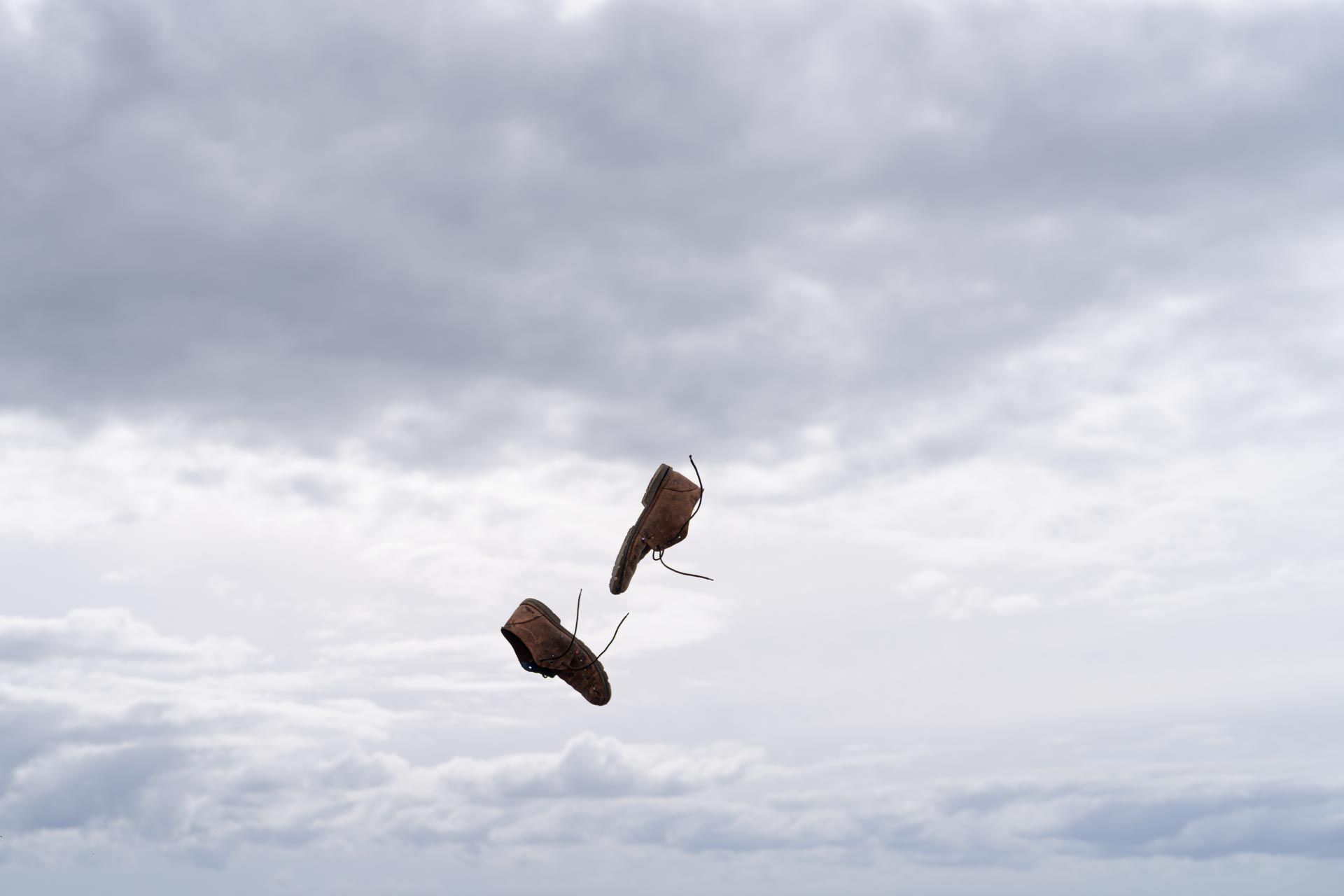

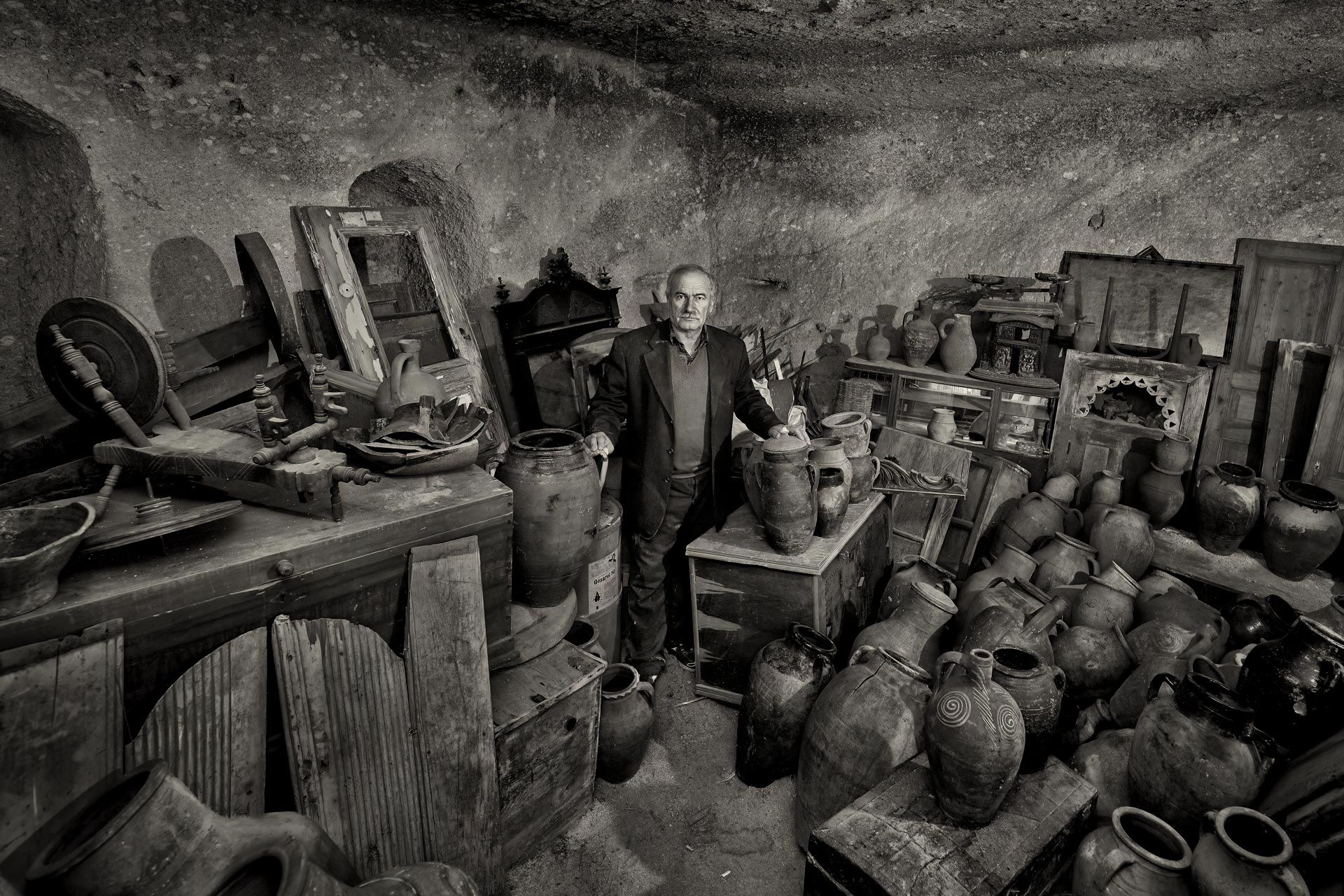
Hugh
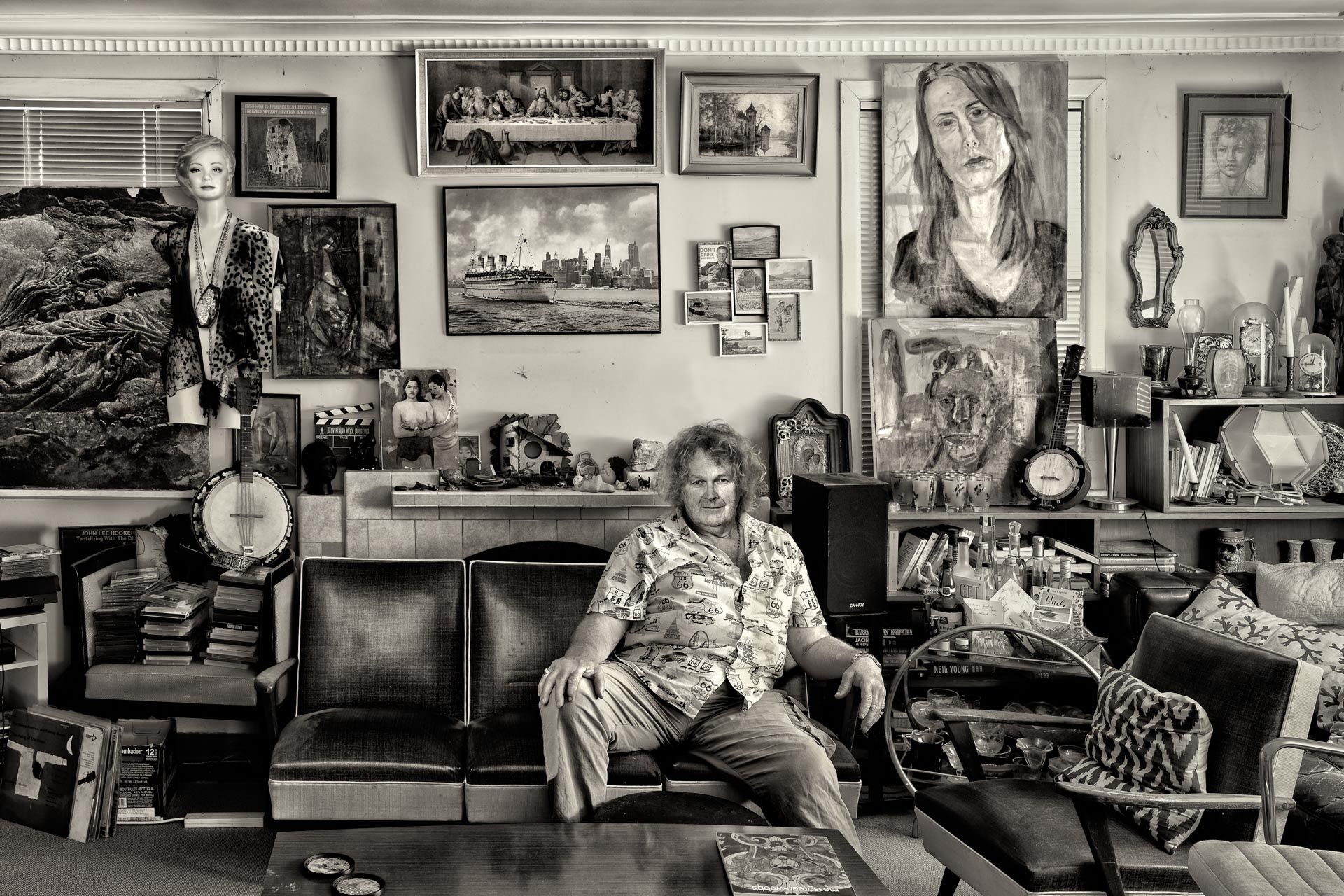
‘Man and his Art’ Silver at the 2025 Australian Prize

Hunua Falls
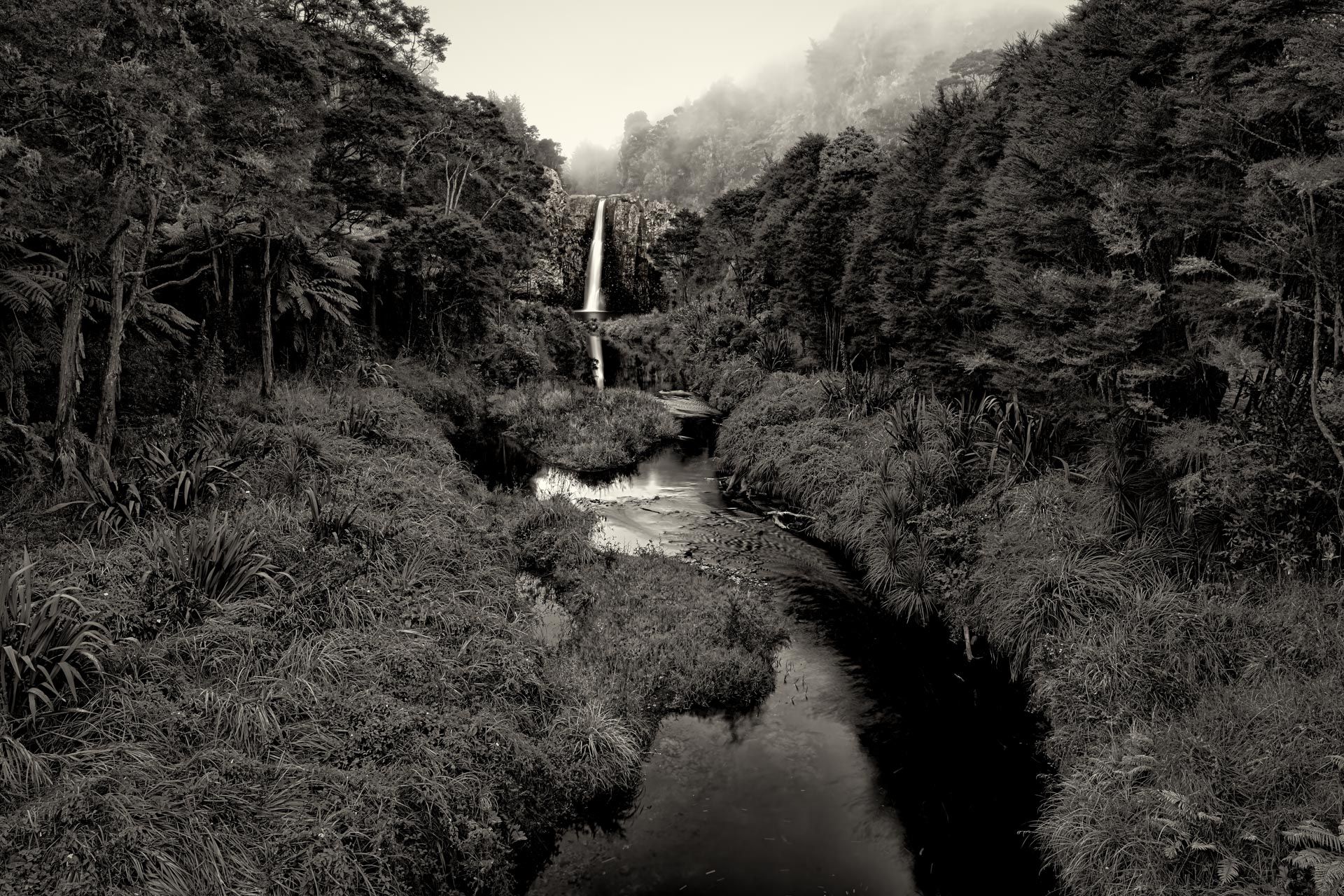
The Hūnua Falls
Hūnua Falls is a stunning 30-meter waterfall located on the Wairoa River in the Auckland Region of New Zealand, near the settlement of Hūnua. Nestled within the western part of the Hunua Ranges Regional Park, it’s a popular spot for visitors seeking natural beauty and outdoor activities. The falls are formed where the river plunges over a basalt lava plug, a remnant of ancient volcanic activity, creating a dramatic drop into a large plunge pool below. The surrounding area is rich with native forest, offering a serene escape just southeast of Auckland’s urban center.
The falls are easily accessible, with a short walk from the nearby car park taking only a few minutes, making it an ideal destination for a quick visit or a longer exploration. The site is known for its picturesque scenery, especially after heavy rain when the water flow becomes particularly powerful. It’s a great spot for picnics, photography, or simply enjoying the sound of cascading water. The surrounding Hunua Ranges also provide additional trails, like the Wairoa Loop Track, for those wanting a bit more adventure.
Swimming is possible in the plunge pool during warmer months, though caution is advised due to varying water depths and currents. The area holds ecological significance too, with rare lakeshore turf vegetation and native herbs like water starwort and Crassula hunua thriving nearby. Whether you’re after a peaceful retreat or a taste of New Zealand’s natural wonders, Hūnua Falls delivers a memorable experience.