



Calvin
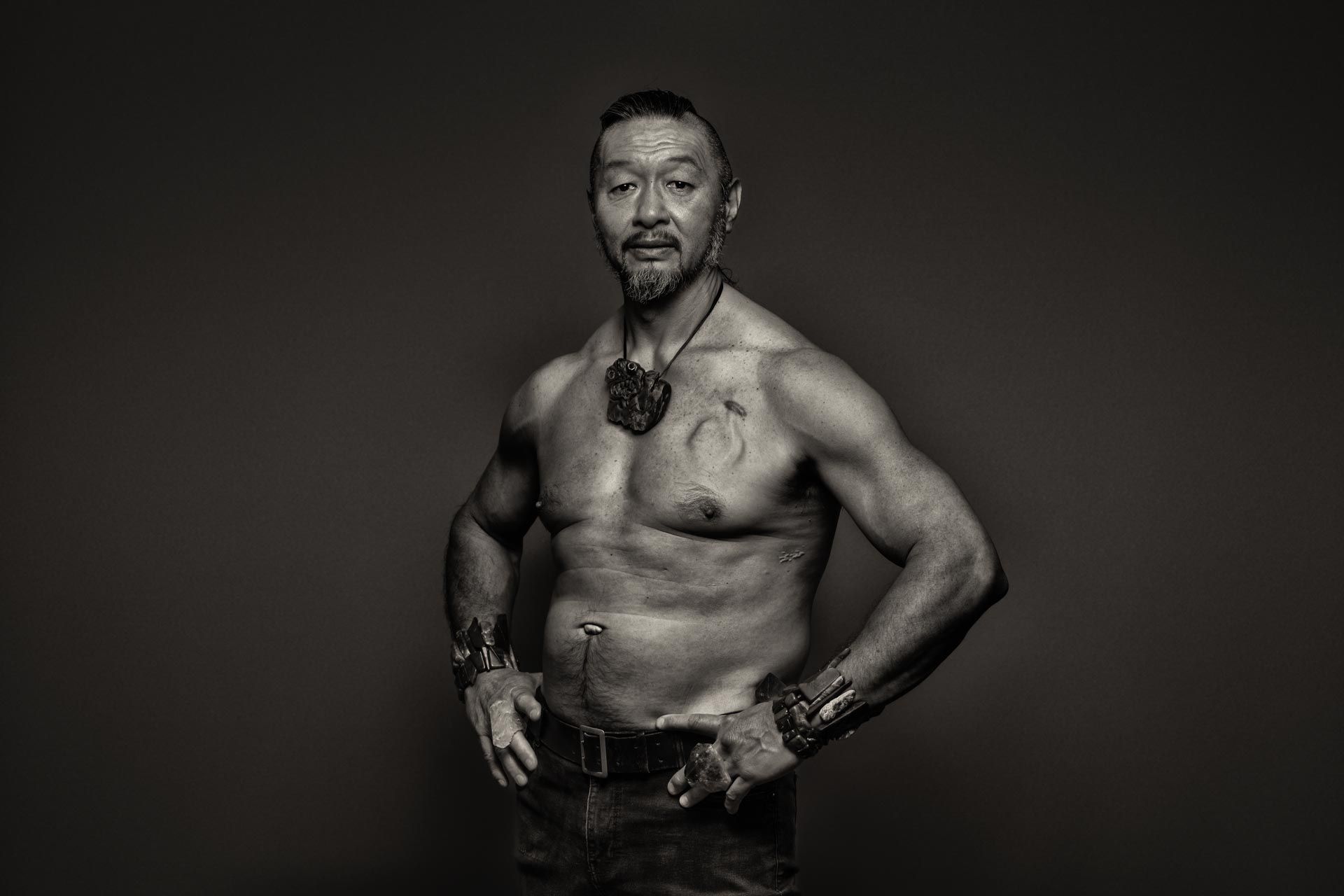
Calvin Chan
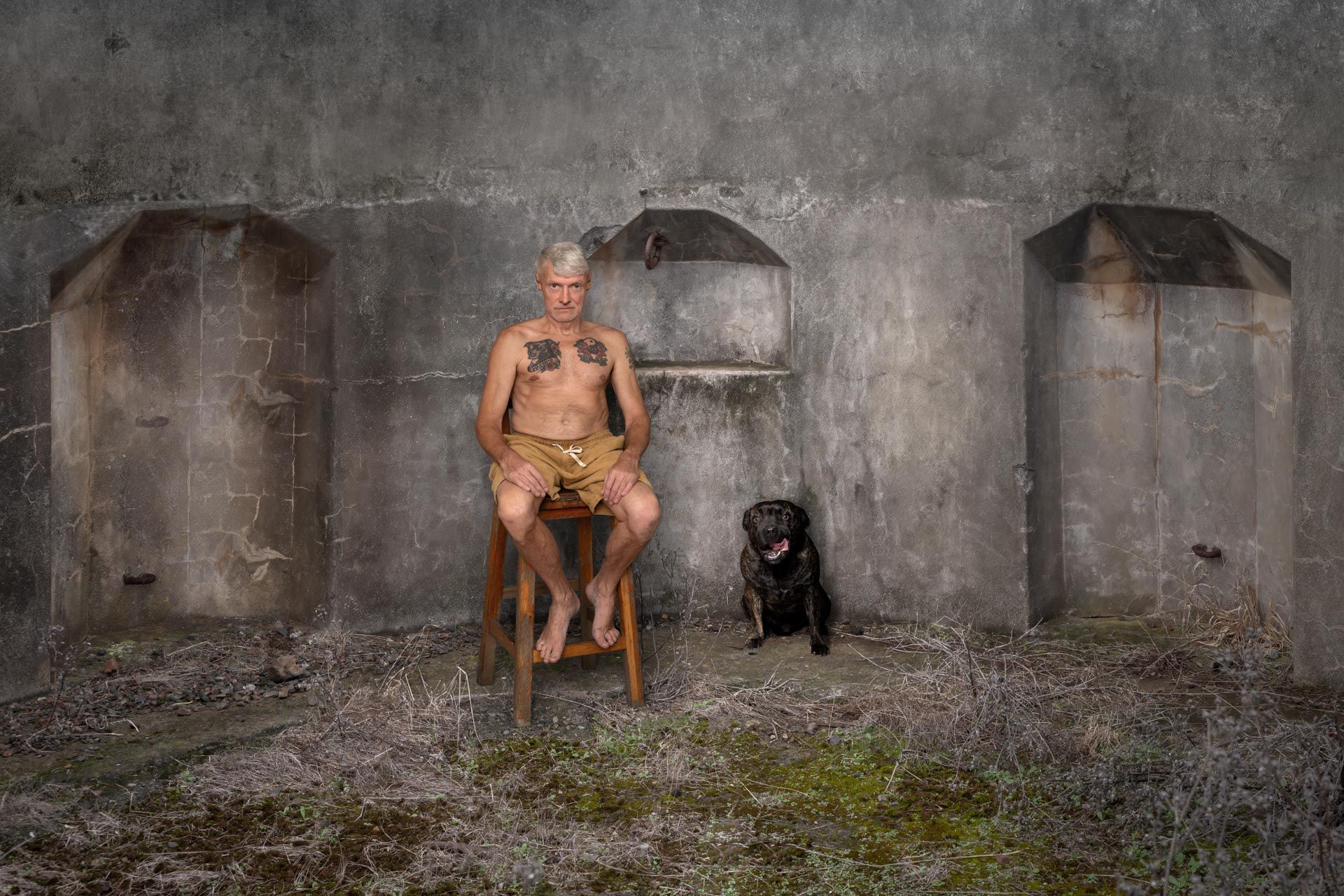
“My name is Calvin, originally from South Africa, now calling New Zealand home since 2000. Growing up wasn’t easy—back then, I faced challenges on the other side of the racial divide in my home country. When I arrived in New Zealand, it was a fresh start, but I carried heavy baggage.
I was drinking heavily, downing two liters of scotch a week, straight, no chaser, just neat. It was my crutch.
Three years ago, something shifted—a gut feeling, a higher power, call it what you will. I knew I had to quit drinking. So, I did. Cold turkey. Not a drop since, and I’m proud of that.
But life had more tests for me. Soon after, I suffered a double stroke on the left side of my brain, which affected my left arm. Then, just over a year ago, I had a cardiac arrest. My friend stepped in, keeping me alive for 45 minutes until the ambulance arrived. My doctor was stunned I survived. He told me the odds were slim—only a 25% chance of surviving a cardiac arrest in a hospital with all the equipment, and out in the world? A mere 10%. I’d beaten the odds, like winning the lotto multiple times.
Thankfully, New Zealand’s incredible medical system stepped up. They implanted a defibrillator in my chest to shock my heart back into rhythm if it falters. That machine is my guardian angel.
Through it all, I found a new path. I’ve been sober for three years, and I’ve discovered a passion for stone carving. In just a year, I’ve made progress that’s amazed those around me. It’s more than a craft—it’s my way forward, a new chapter in my life”
I’m still here, defying the odds, and I’m grateful every day for it. Here’s to resilience, second chances, and finding beauty in the journey.”

Hagia Sophia
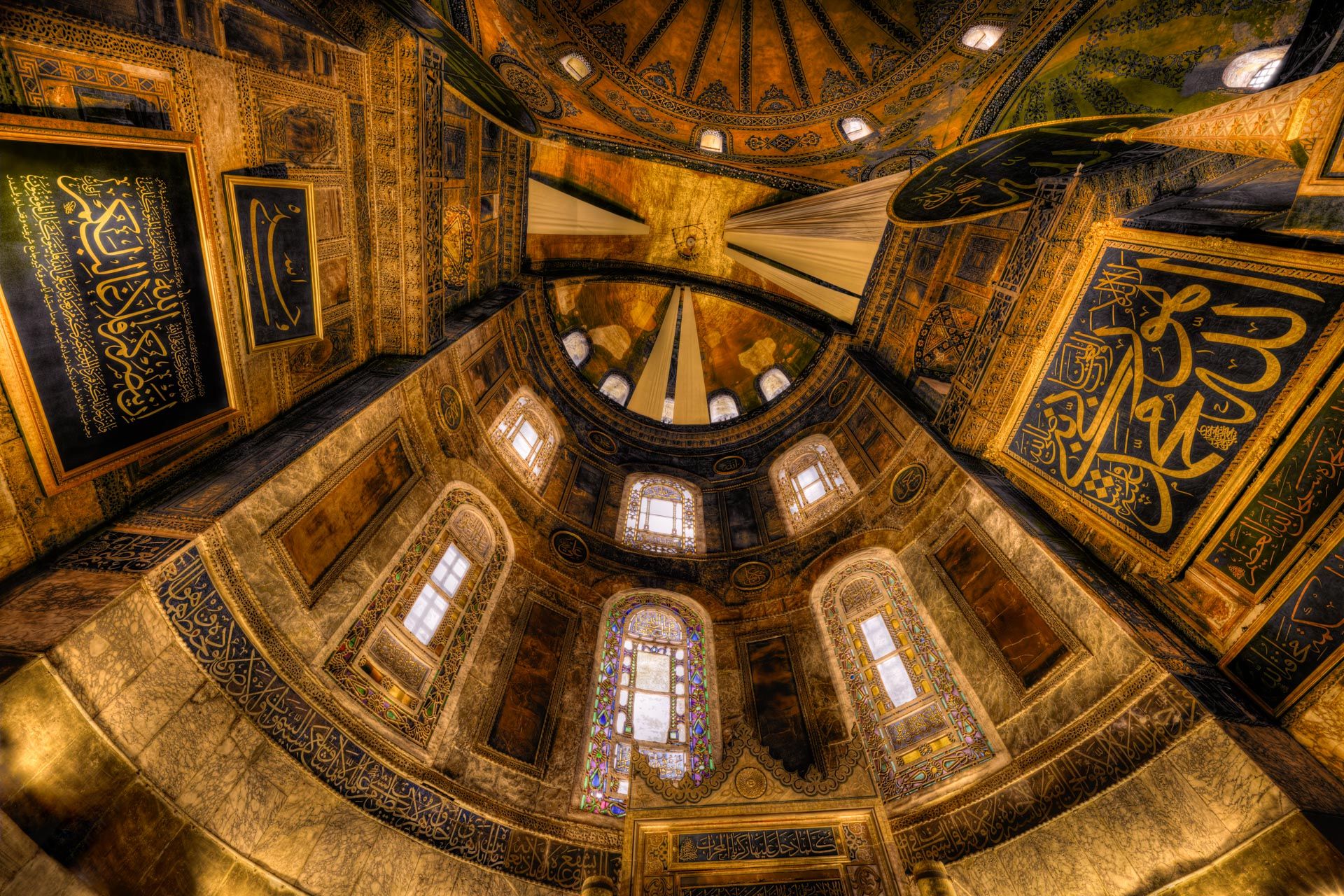
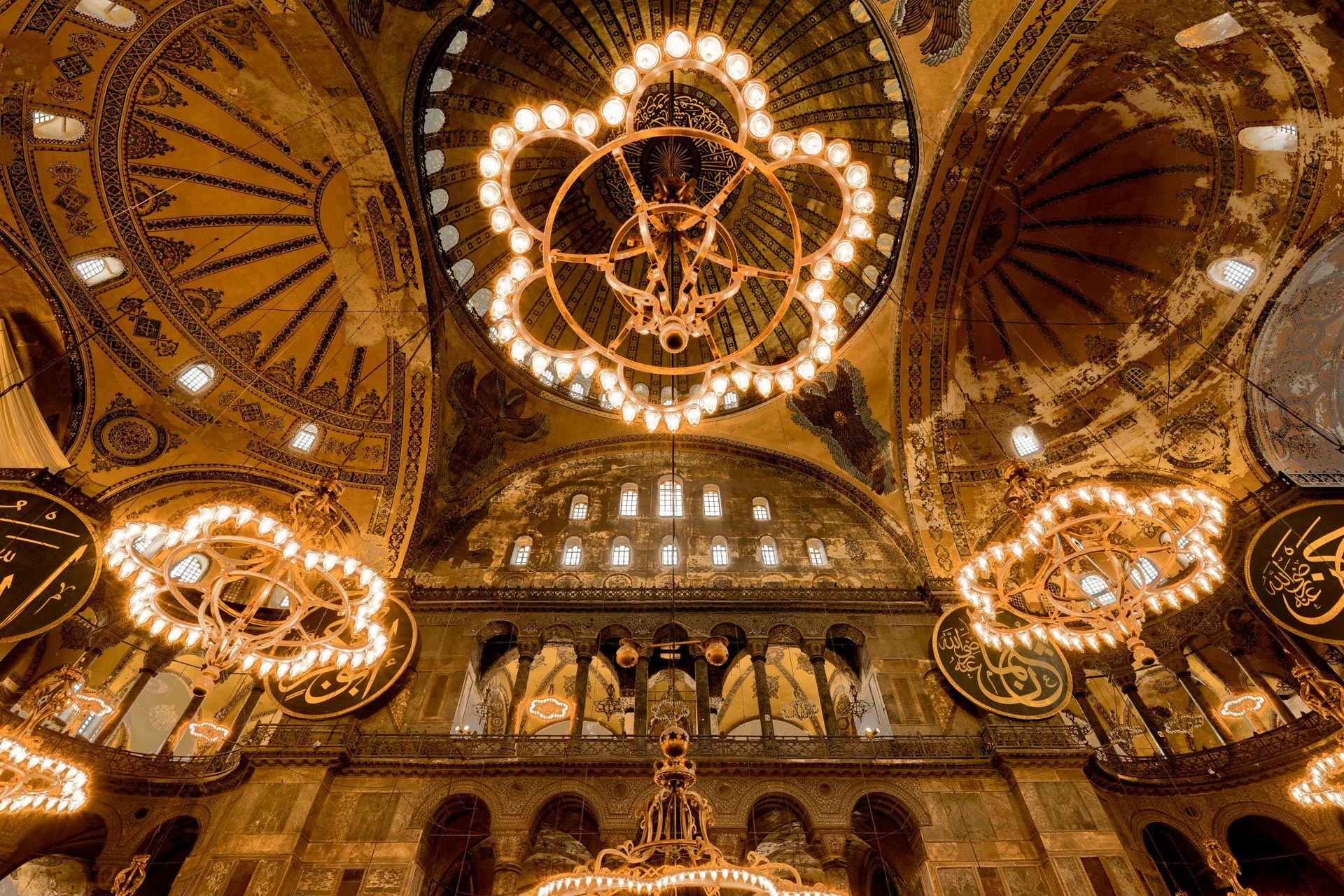
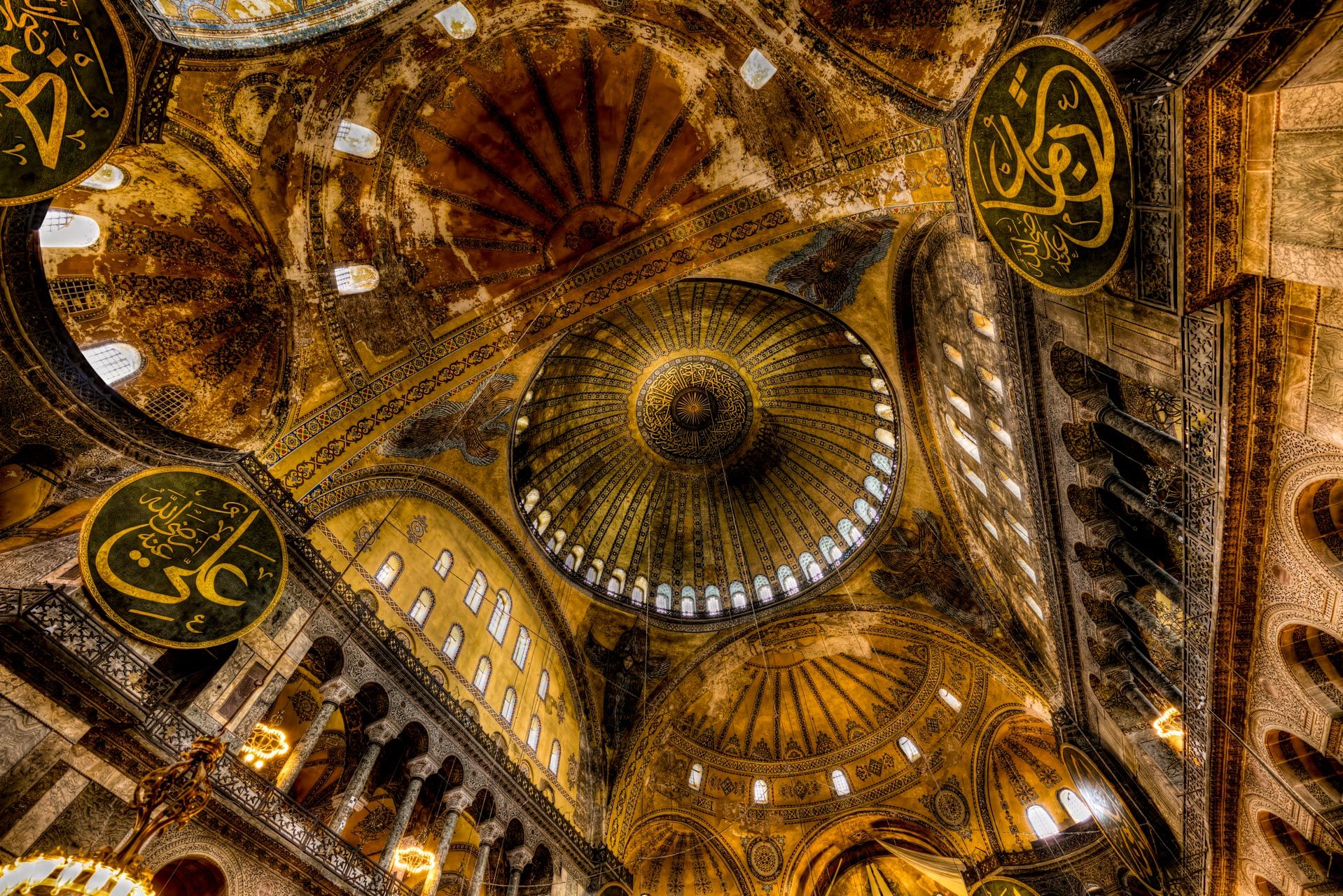
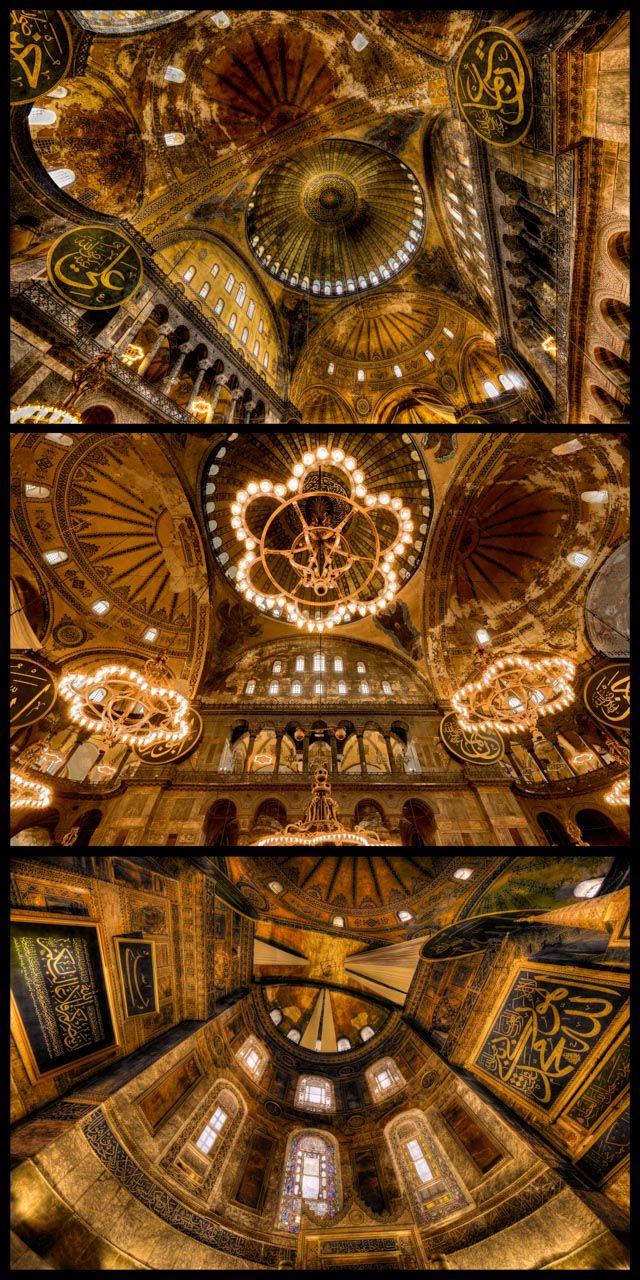
Hagia Sophia is a former cathedral, mosque, and now a mosque located in Istanbul, Turkey. It’s a UNESCO World Heritage site and a globally recognized symbol of architectural brilliance and cultural significance. Initially built as a church in the 6th century, it was later converted into a mosque and then a museum before being reconverted into a mosque in 2020.

2025 Australian Prize
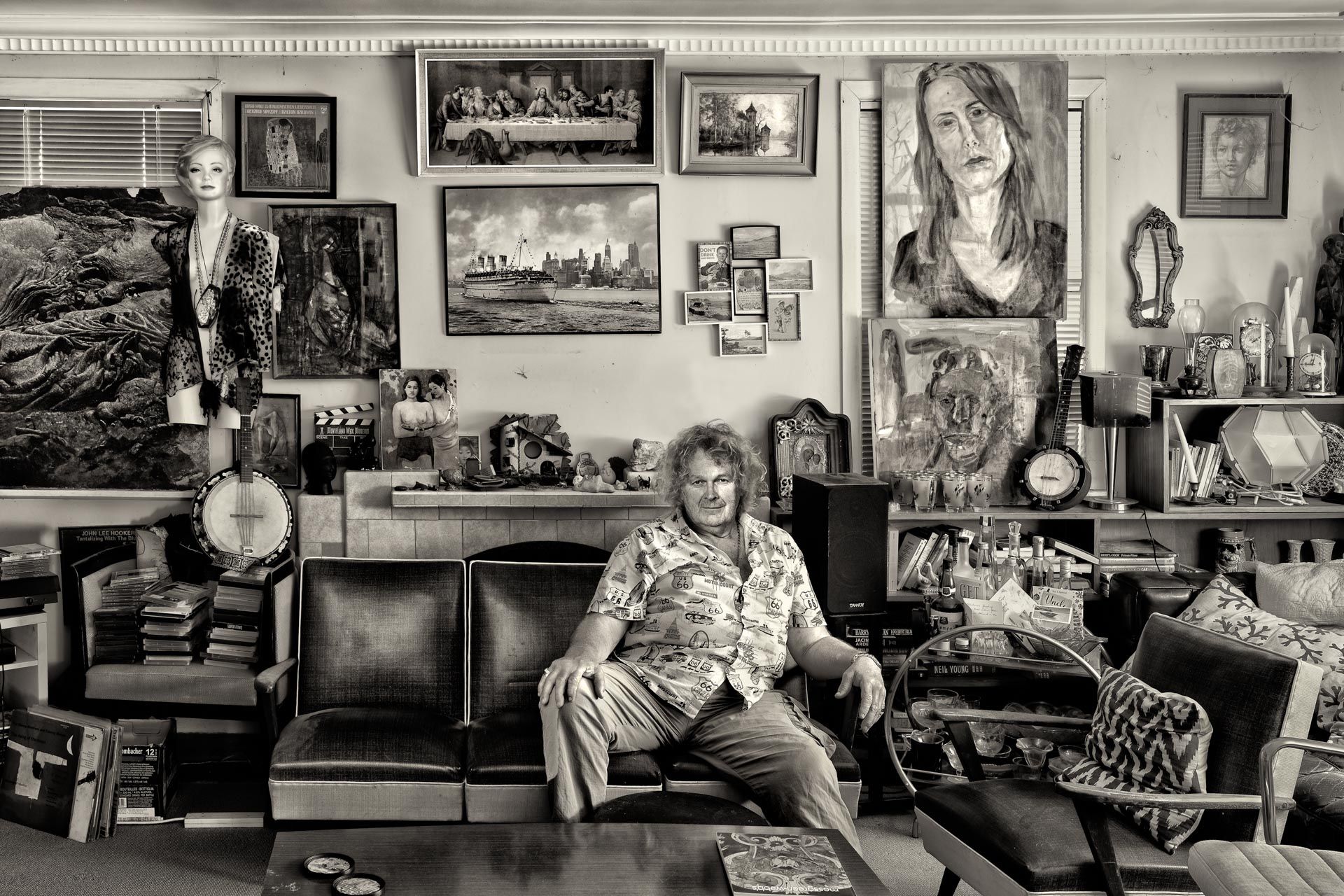
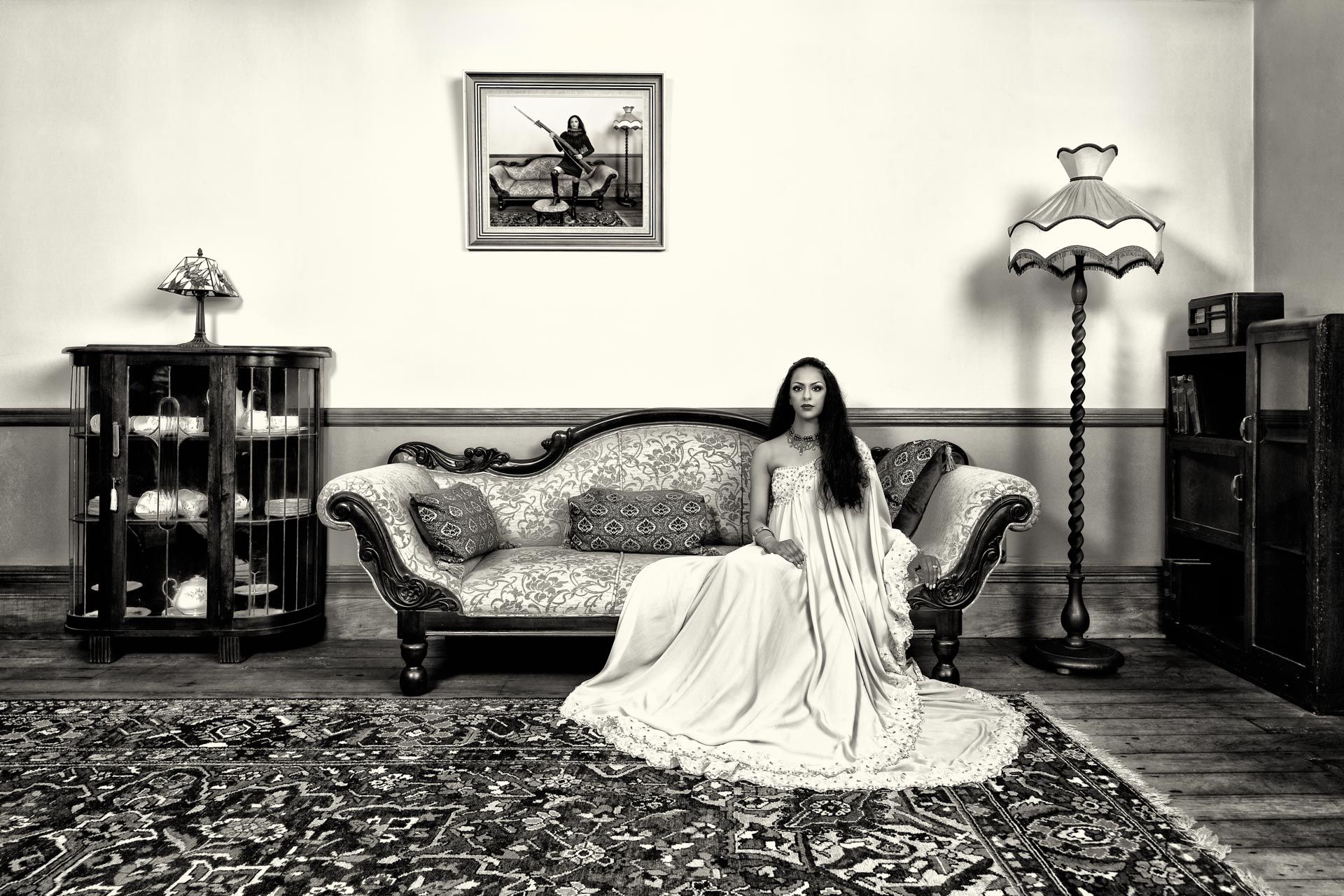
Portrait Category
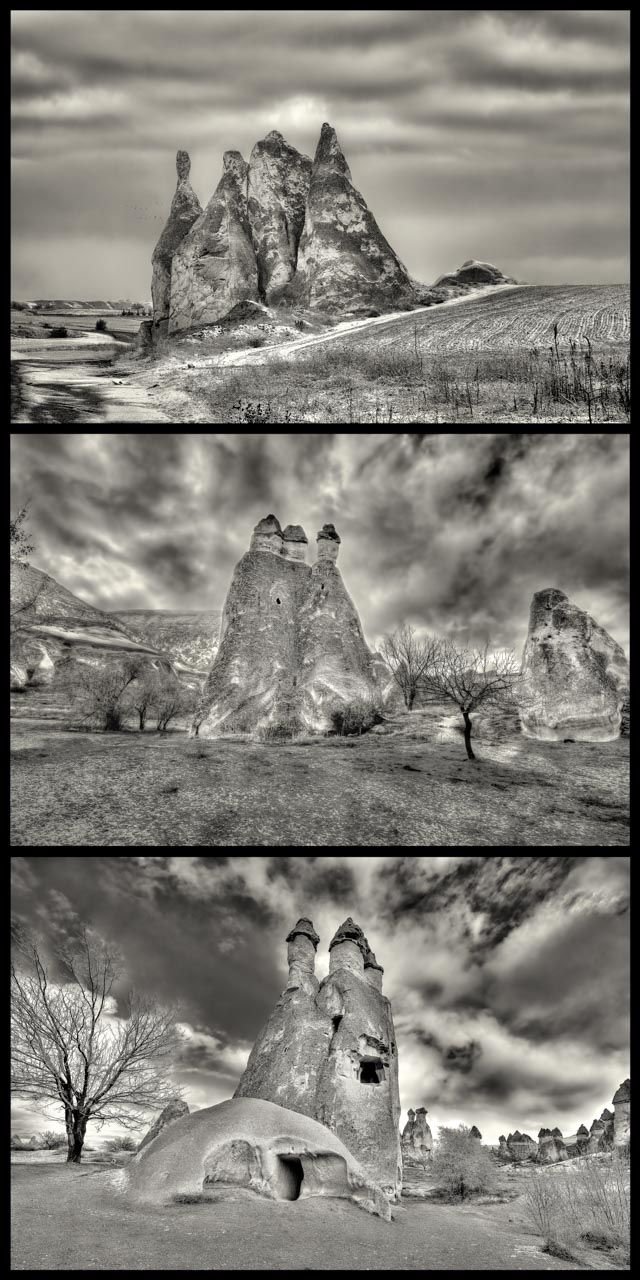
Landscape Category
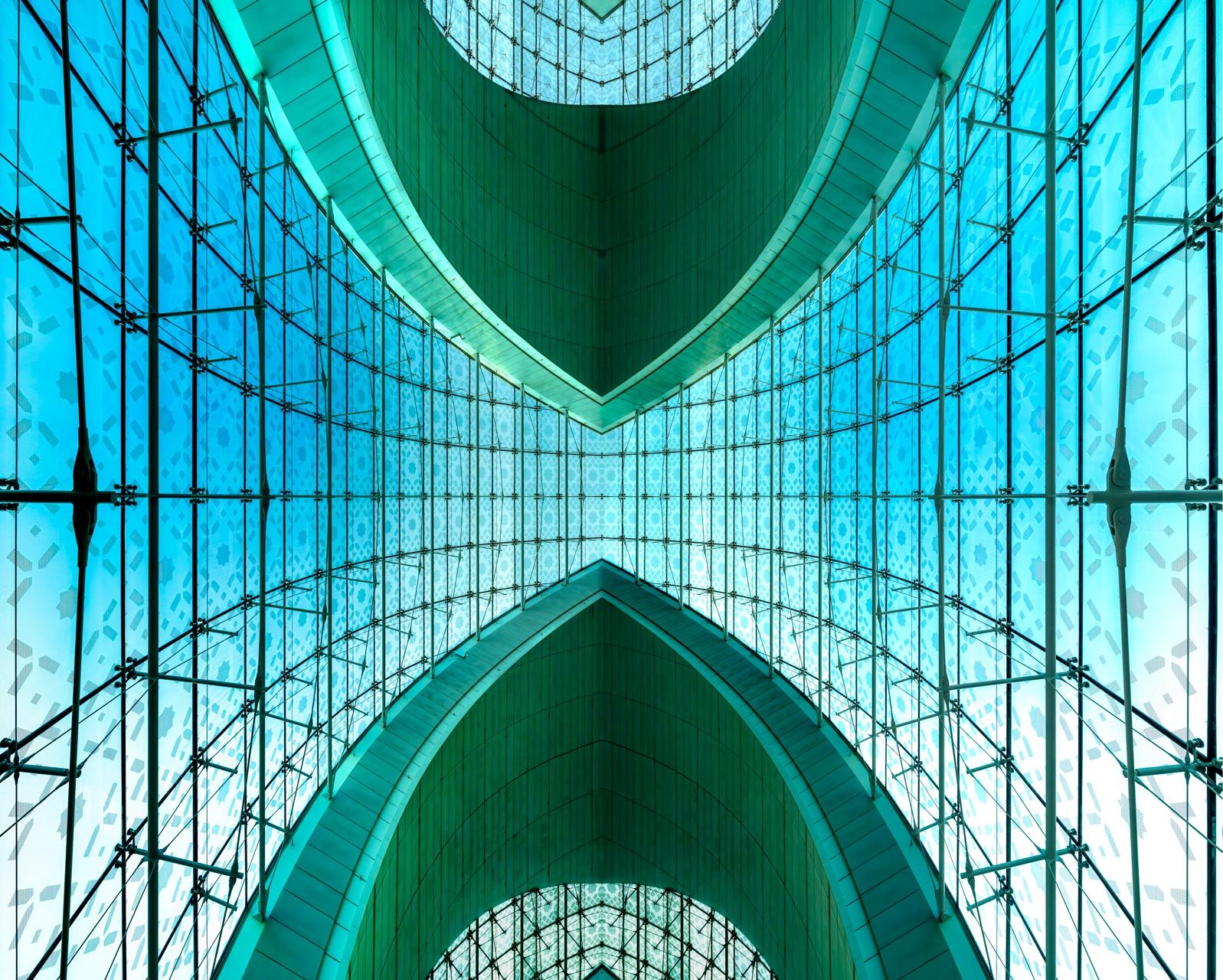
Architecture Category
Travel Category

Turquoise
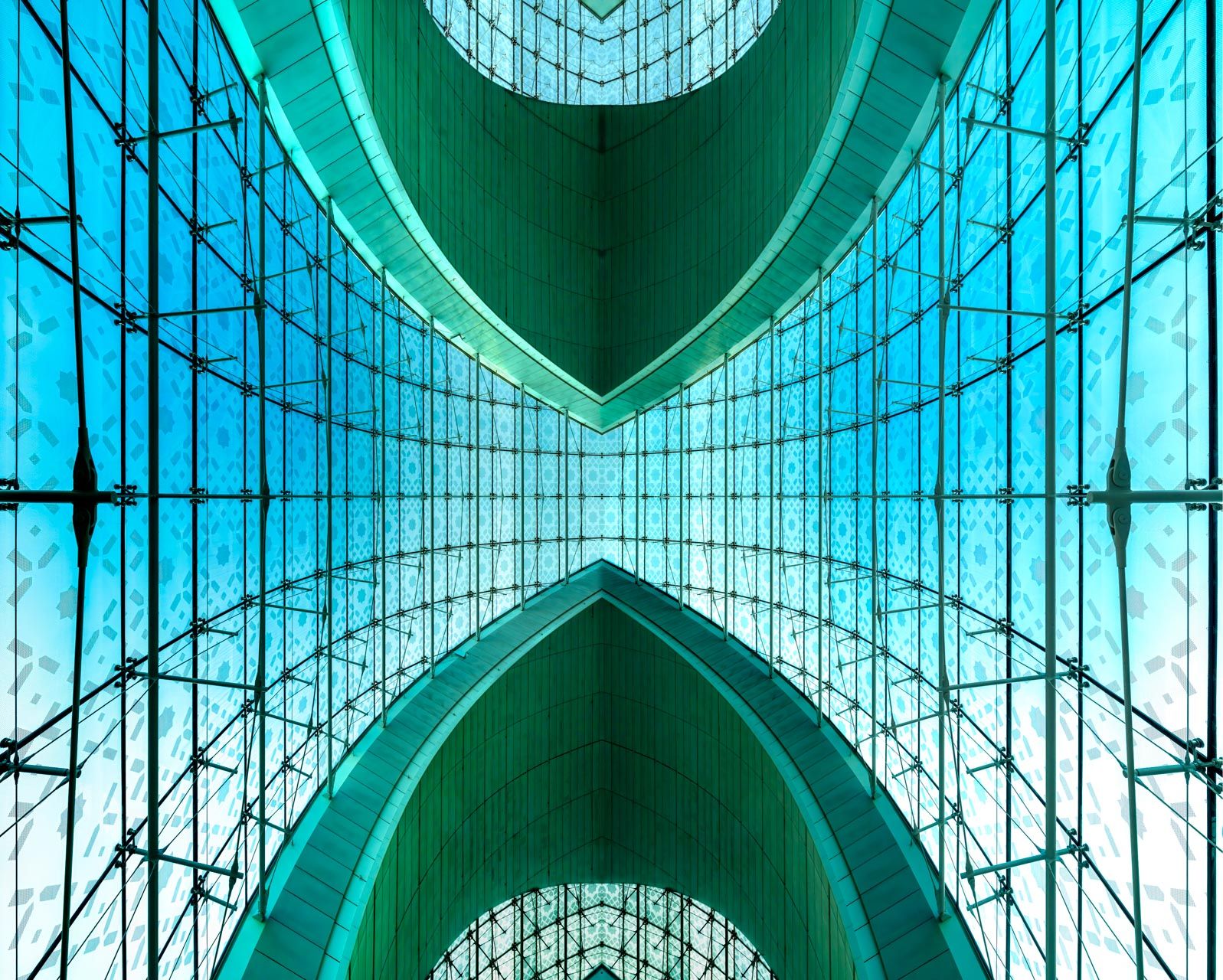
Delighted and honoured to win the 2025 International Architecture Photographer of the Year Award for ‘Turquoise’
Have you ever craned your neck to gaze skyward and been struck by the unexpected beauty above? In the dance of architecture and the vibrant hue of turquoise, there’s a world of wonder waiting to be captured through the lens of fine art photography.
Picture this: the soaring arches of a Gothic cathedral, their intricate stonework framed against a turquoise sky at twilight. Or the sleek, modern lines of a skyscraper’s glass facade reflecting a shimmering turquoise pool below. These moments, often missed in our hurried lives, are where architecture transforms into art. Fine art photography freezes these fleeting intersections of structure and color, inviting us to pause and marvel.
Turquoise, with its calming yet vibrant energy, acts as a perfect muse. It’s the sky just after a storm, the patina on a weathered copper dome, or the bold accent in a minimalist building’s design. When photographers look up, they find this hue weaving through spires, rooftops, and open atriums, creating compositions that feel both timeless and surreal.
The surprises we uncover when looking up are endless—ornate gargoyles grinning from centuries-old buildings, geometric patterns in modern skylights, or a flock of birds slicing through a turquoise horizon. Fine art photography elevates these discoveries, turning them into stories of light, shadow, and color. Each image challenges us to see the world anew, to find beauty in the overlooked details above our heads.
So next time you’re wandering through a city or a historic site, tilt your gaze upward. Let the marriage of architecture and turquoise spark your imagination. And if you’re lucky enough to capture it through a lens, you’re not just taking a photo—you’re creating a masterpiece that celebrates the wonders above.






KARLI QUEENS
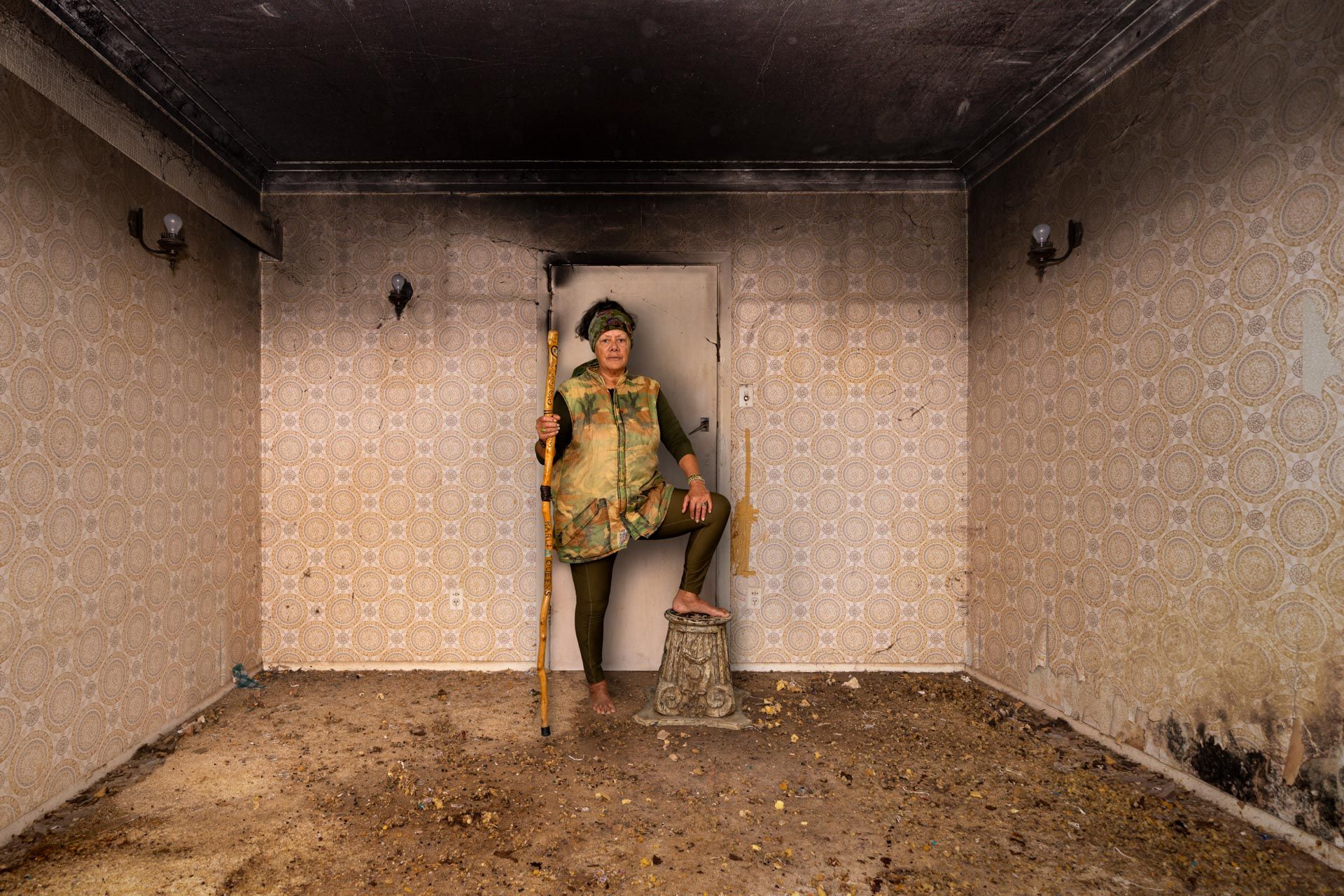
CeLestriaL Greetings BeLoved Humans My name is “KarLi Queens” and I Am a SpirituaL Warrior of The LIGHT☆ otherwise known as a Lightworker here to assist Mother Earth Ascend to the fifth dimension. There are millions of Us “WOKE” Humans dotted aLL over Gaia and through Our CoLLective Conscious efforts of ALigning with Prime Creator/Universe/God Frequencies.
We are Co-Creators of The New Earth; just by Anchoring/HoLding the Frequency of Love/Light/Joy within Our bodies; subsequentLy by purging out aLL other negative programming/dark energy from our bodies. Hahaha… pretty mind blowing stuff aye Wot?? WeLL yes LiteraLLy our minds have been blown apart, but ThankfuLLy We have connected via the internet.
The “Hopi Indians” phrophesized many moons ago that a New breed of Humans wiLL gather by means of a “spider web” (Internet) and they wiLL be caLLed “The Rainbow Warriors”.
Like many others I connect with across Gaia; we have been on this Journey for over 30years, and are referred to as the “Front Liners” navigating the Path for others to foLLow; aLso known as “The SpirituaL Pioneers” of The New Dawn or The GoLden Age.
PersonaLLy I do this most Majestic Mission for my ChiLdren and my GrandchiLdren and of course for ALL Sentient Beings on Mother Earth. Love and BLessings to You ALL. Thank You ILan and BeLLa for this Great opportunity to Express My SeLf. Joy Ruth WeLLs

Man and Buoy
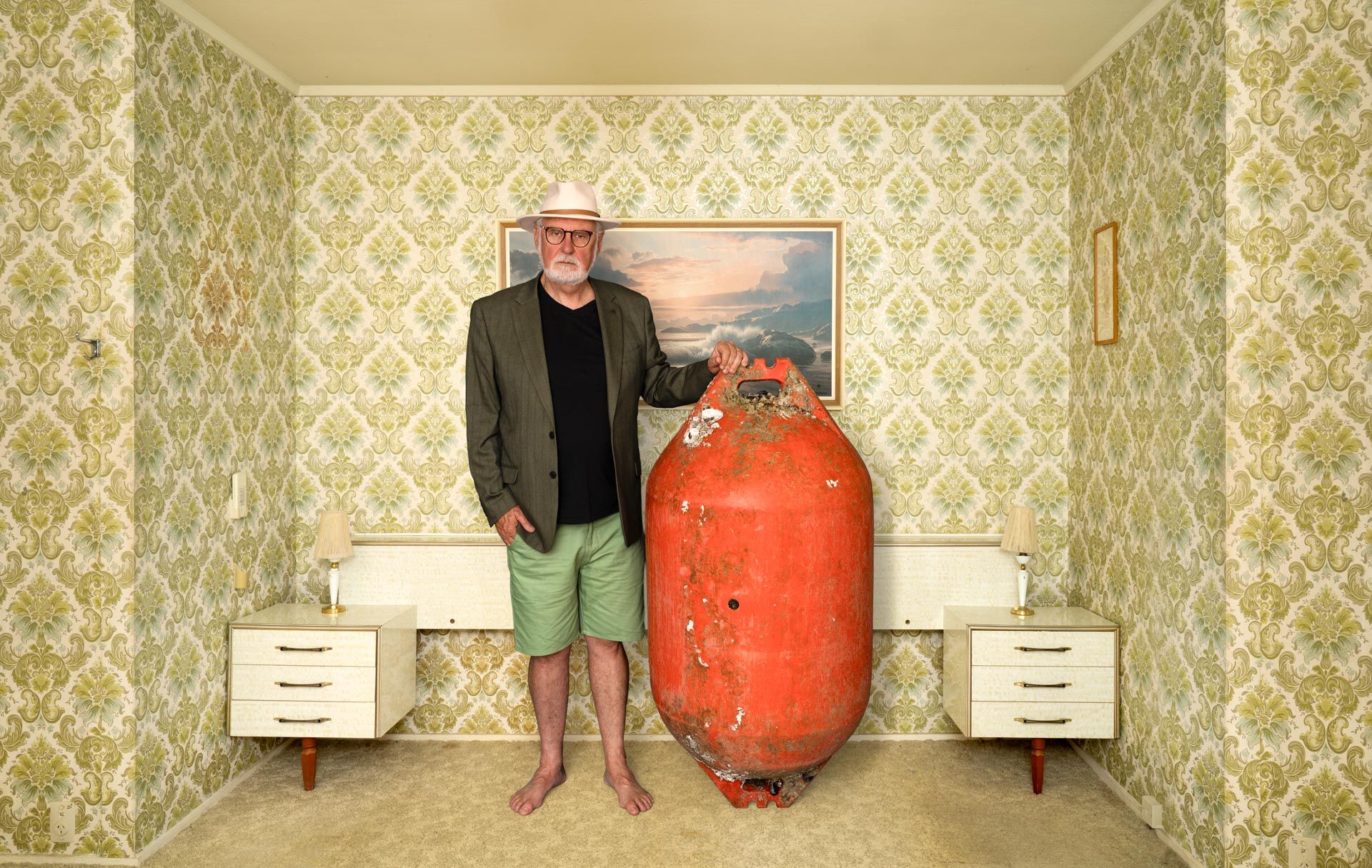
In a quirky, retro bedroom, “Man and his Buoy” captures a weathered soul, leaning on a giant buoy, barnacles clinging to its sea-worn surface. His somber gaze meets the camera, set against vibrant ‘60s wallpaper. This Wes Anderson-esque portrait whispers a tale of a man adrift, tethered to his buoyant companion, carrying the ocean’s secrets into the stillness of his eclectic haven.
This as a wry portrait where humour meets tenderness: a man and his improbable companion, that battered orange buoy, set inside a prim, retro room. It hints at memory, collecting, and the odd things we keep close. The matching cabinets and lamps set a formal rhythm, while the buoy’s colour dominates and plays against the green wallpaper. The one‑point perspective pulls our eyes to the centre and holds the scene together against the outrageous texture — the buoy’s crust, the patterned paper, the soft carpet — all give the frame tactile interest.

Yawning Camel
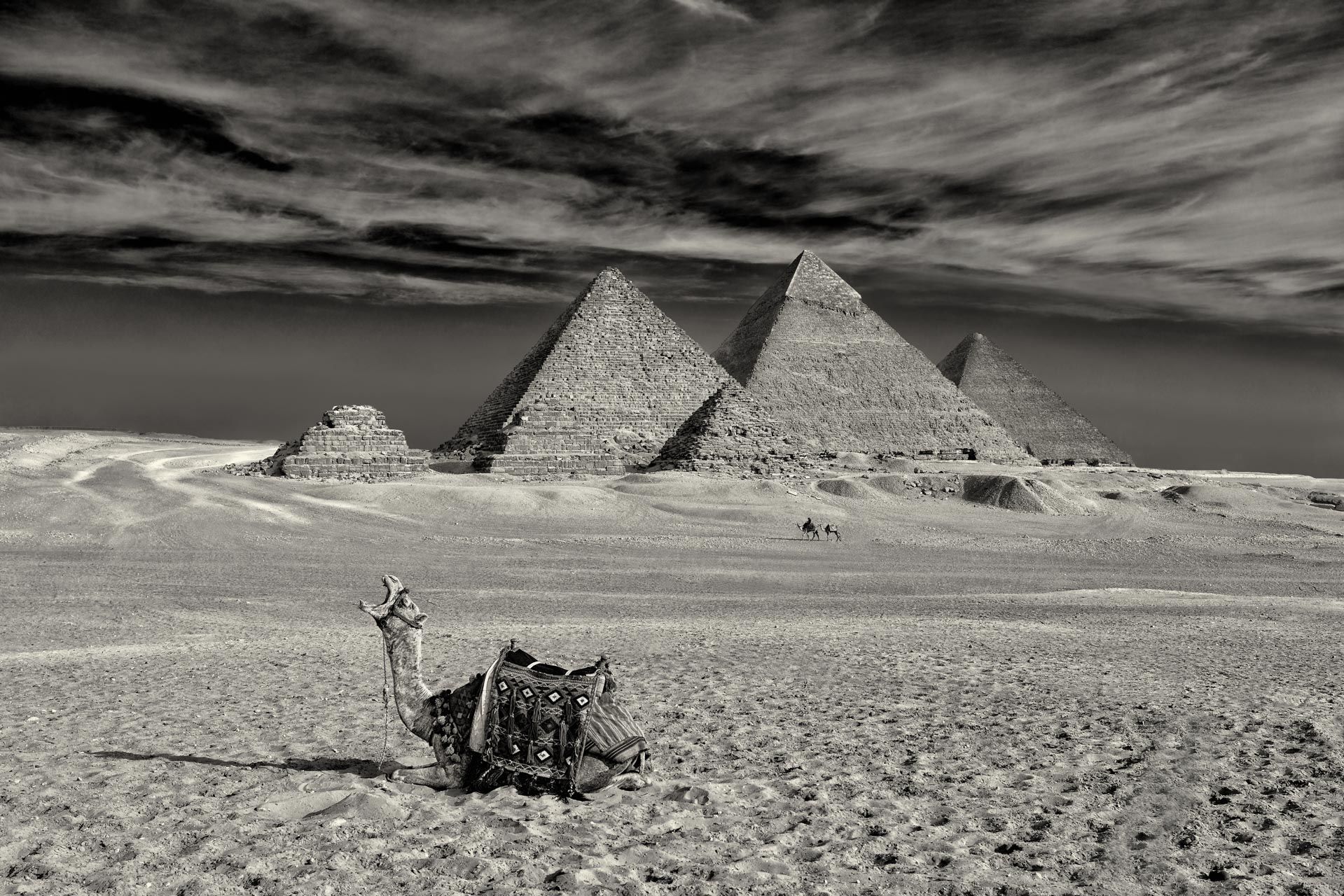
Built around 2630 BCE for Pharaoh Khufu, the Great Pyramid of Giza, is the largest of the three pyramids on the Giza Plateau in Egypt. Standing at 146.5 meters (481 feet) tall, it was the tallest man-made structure for over 3,800 years. Constructed with approximately 2.3 million limestone and granite blocks, each weighing 2-50 tons, it showcases remarkable engineering precision. Its alignment to true north is accurate within 3/60th of a degree, and it originally covered 13 acres at its base.
The pyramid was part of a complex including two mortuary temples, a causeway, and smaller pyramids for Khufu’s queens. Its internal structure includes the King’s Chamber, Queen’s Chamber, and a Grand Gallery, with narrow passageways and a subterranean chamber. The exact construction methods remain debated, but theories suggest ramps, levers, and a workforce of tens of thousands, likely not slaves but skilled laborers and conscripts.
It was originally clad in polished white limestone, making it gleam in the sun, though much of this casing has been removed over time. The pyramid’s purpose was primarily as a tomb, though no mummy was found, and it holds cultural and religious significance tied to Egyptian beliefs about the afterlife.
Today, it’s a UNESCO World Heritage Site and one of the Seven Wonders of the Ancient World, drawing millions of visitors. Its enduring mystery fuels speculation, from precise astronomical alignments to fringe theories about lost technologies, though mainstream archaeology attributes it to the Old Kingdom’s advanced organizational and engineering capabilities.

Green Kaleidoscope
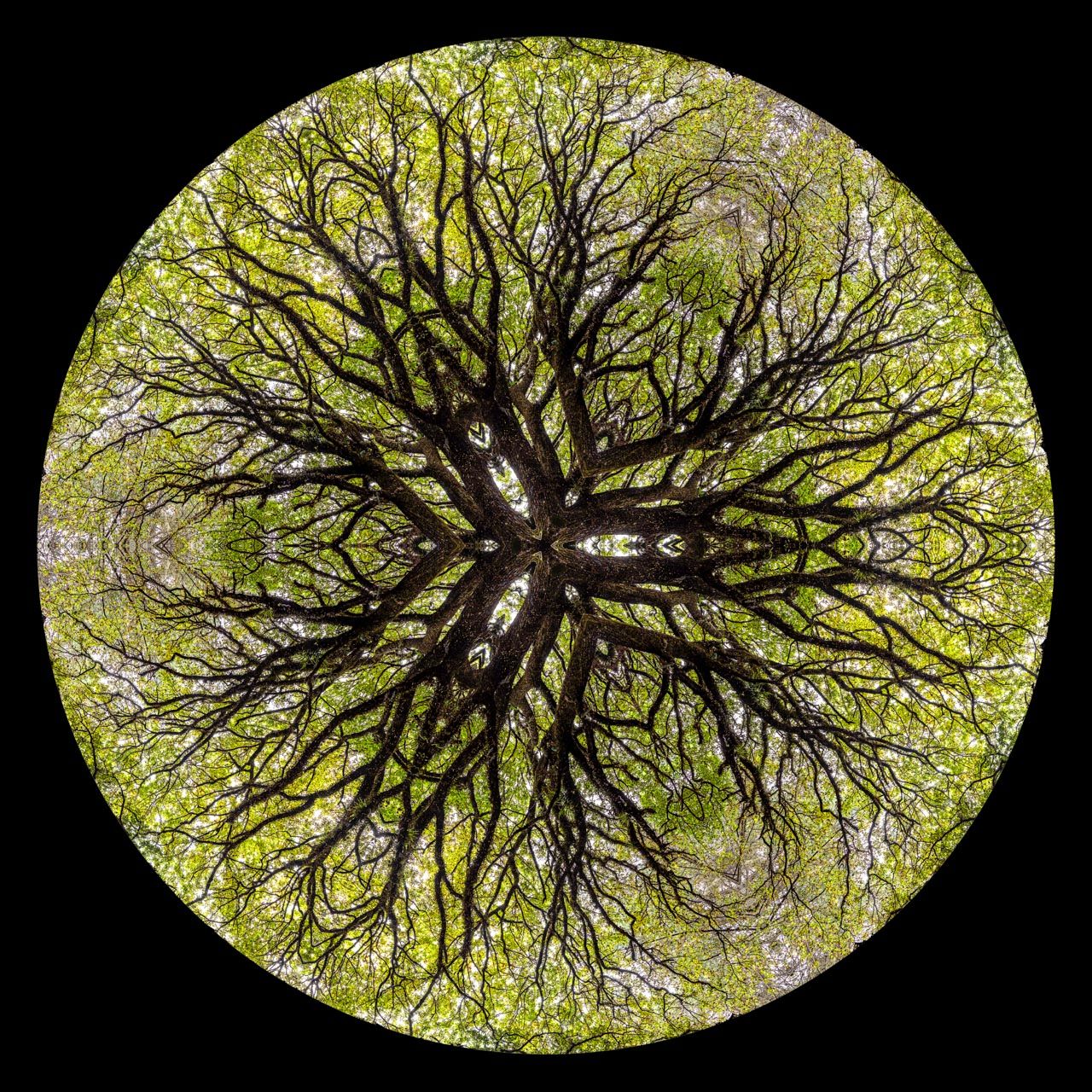
A kaleidoscope is an optical instrument that uses mirrors and colored beads or pieces of glass to create beautiful, symmetrical patterns when viewed through an eyepiece. As you rotate the kaleidoscope, the arrangement of the colored elements shifts, producing an ever-changing display of designs.
Kaleidoscopes can be made in various sizes and styles, and they are often used as toys, art pieces, or decorative items. They demonstrate principles of symmetry and reflection and can inspire creativity and appreciation for geometry in art.


The Oculus
The Oculus
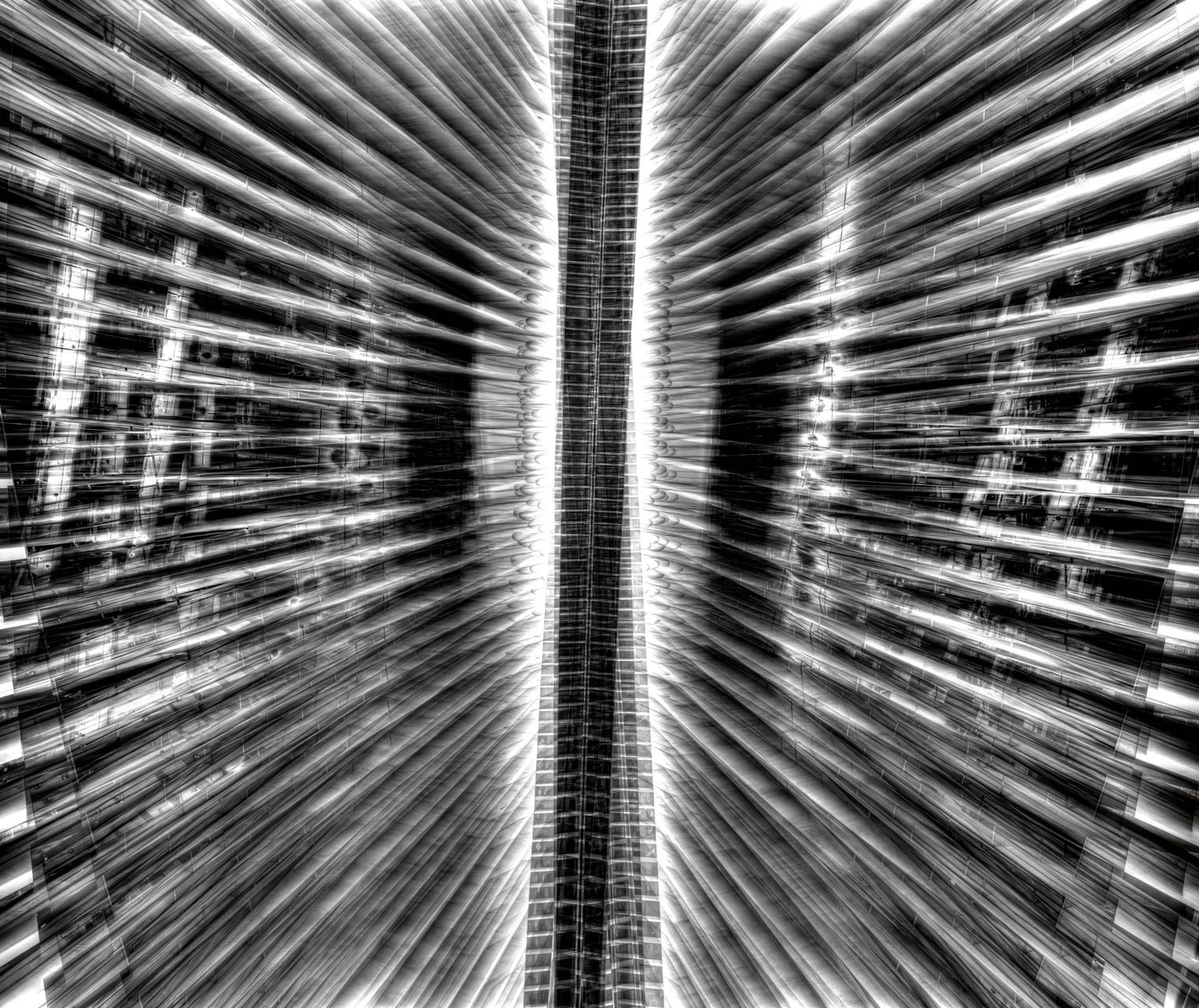
The Oculus is a striking architectural and cultural landmark located at the World Trade Center site in New York City. Designed by architect Santiago Calatrava, this iconic structure, opened in 2016, serves as a major transit hub for PATH trains and connects to multiple NYC subway lines, serving over 250,000 daily commuters. Its distinctive design, resembling a dove or a ribbed skeleton, symbolizing New York City’s resilience and rebirth following the tragic events of September 11, 2001. The project, costing $4 billion, faced controversy for budget overruns and delays but remains a striking landmark near the 9/11 Memorial.
The Oculus was envisioned to resemble a dove being released from a child’s hands, with its white steel ribs reaching upward and outward. This design symbolizes peace and hope, reinforcing its role as a memorial to the 9/11 attacks. The building’s central skylight aligns with the sun’s solar angles on September 11 each year, allowing sunlight to illuminate the main hall at key moments associated with the timeline of the attacks. This feature, known as the “Way of Light,” commemorates the tragedy while offering a sense of renewal.

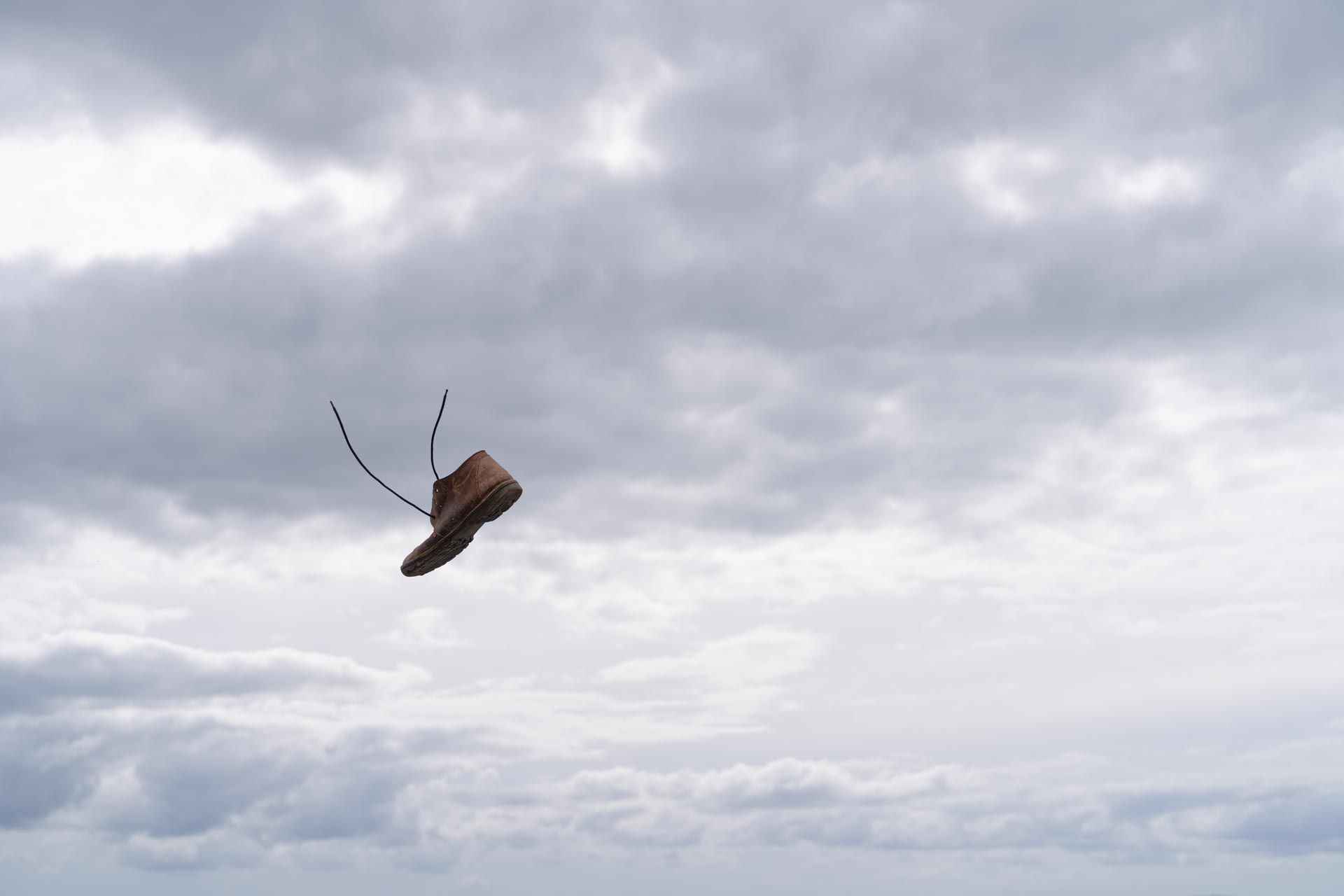
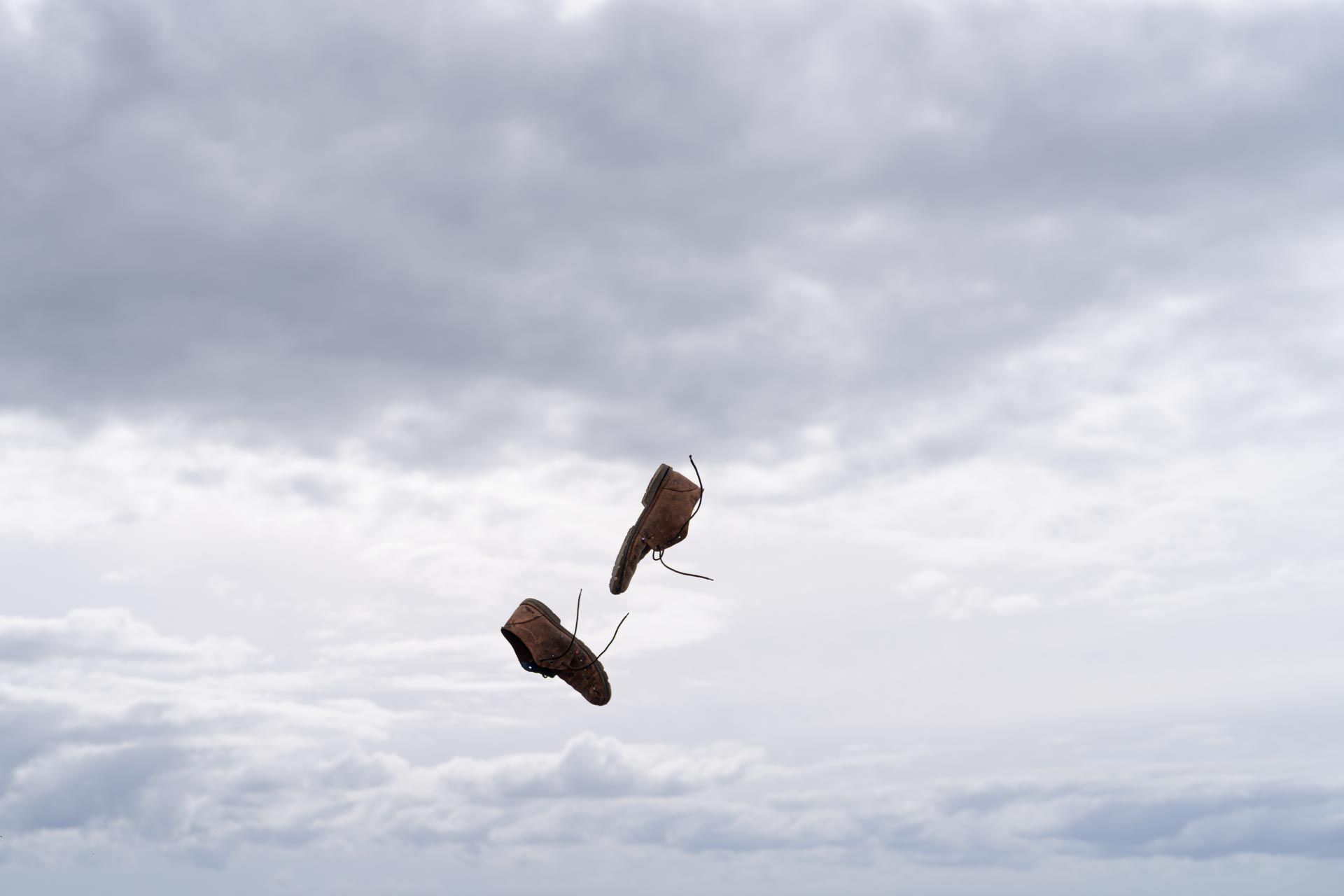

2024 Australian Prize Entries
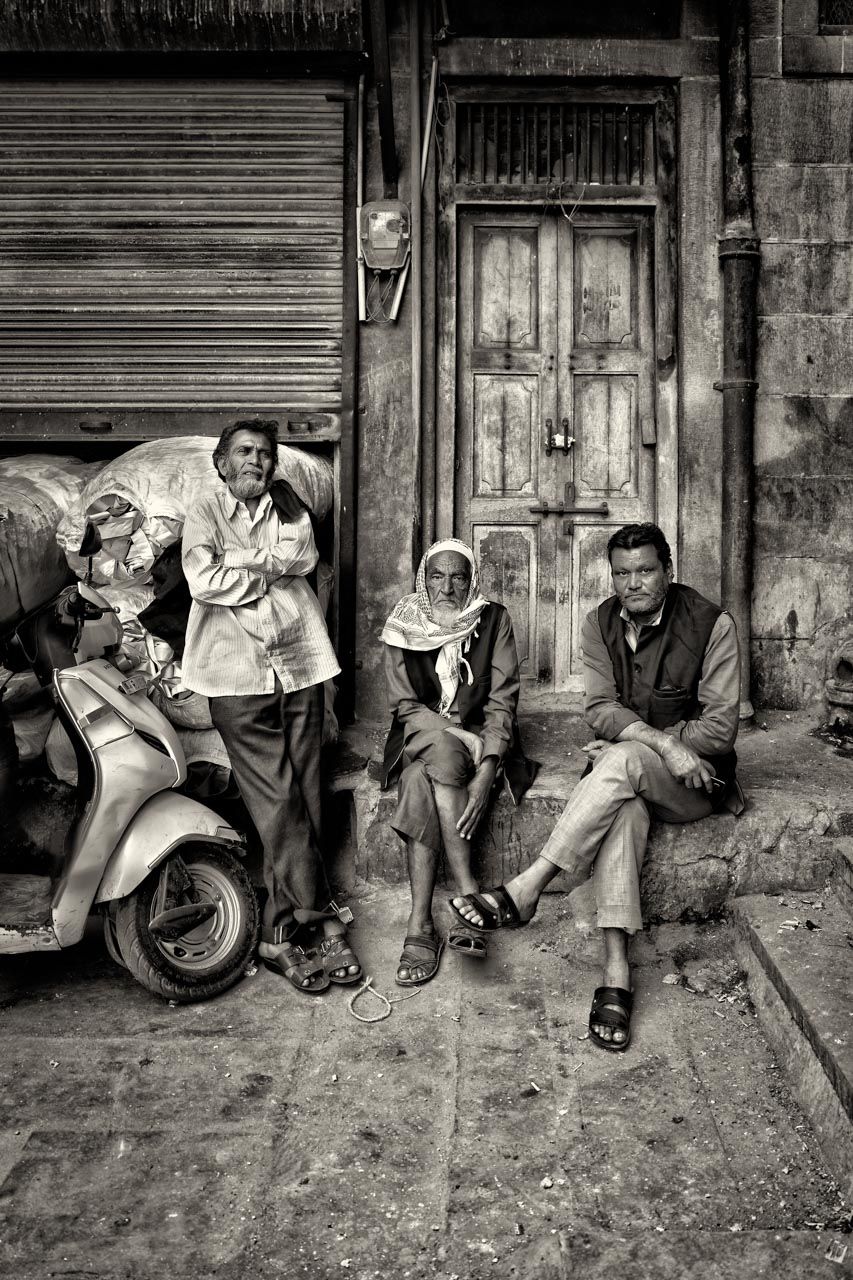
Three Men
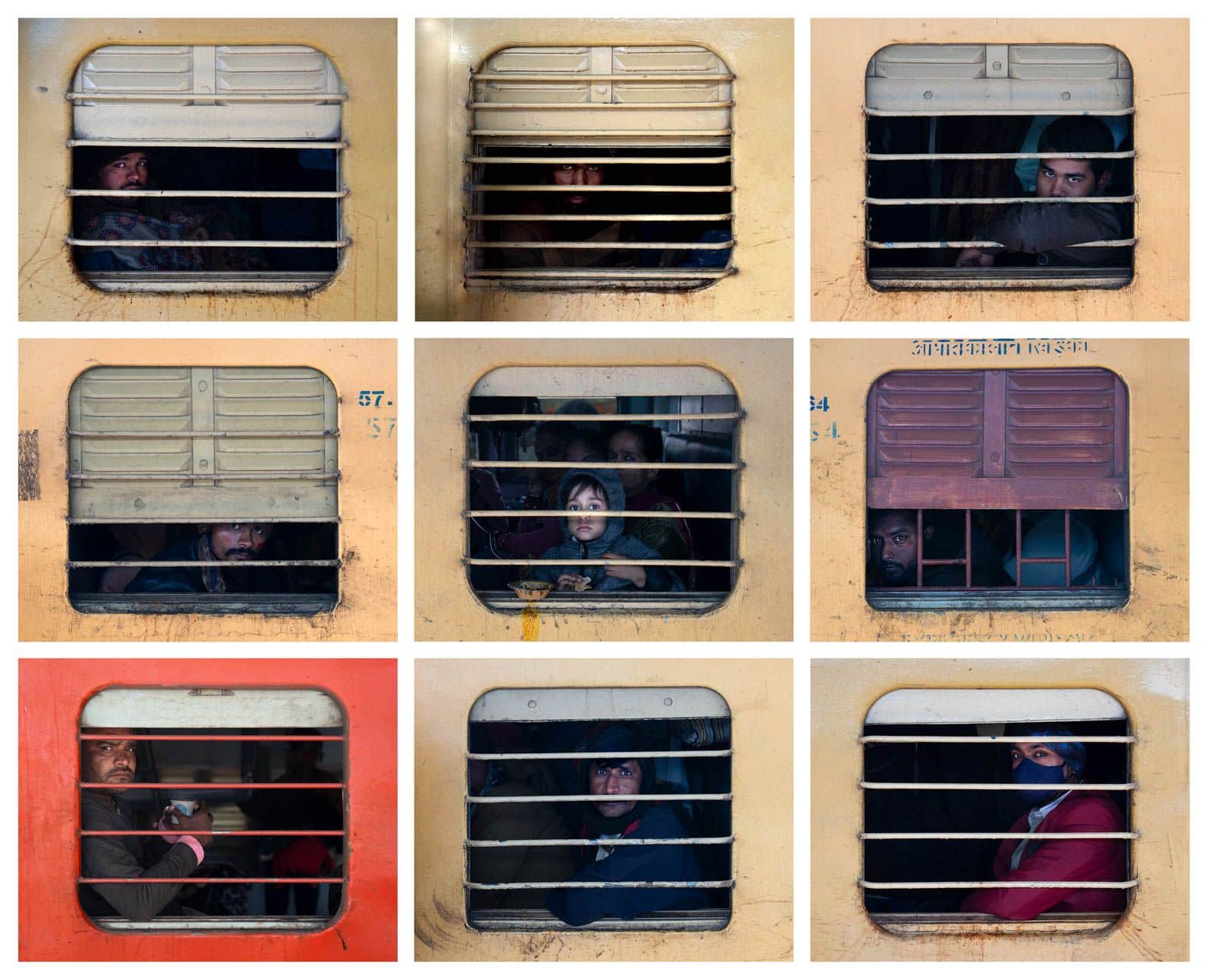
The Train
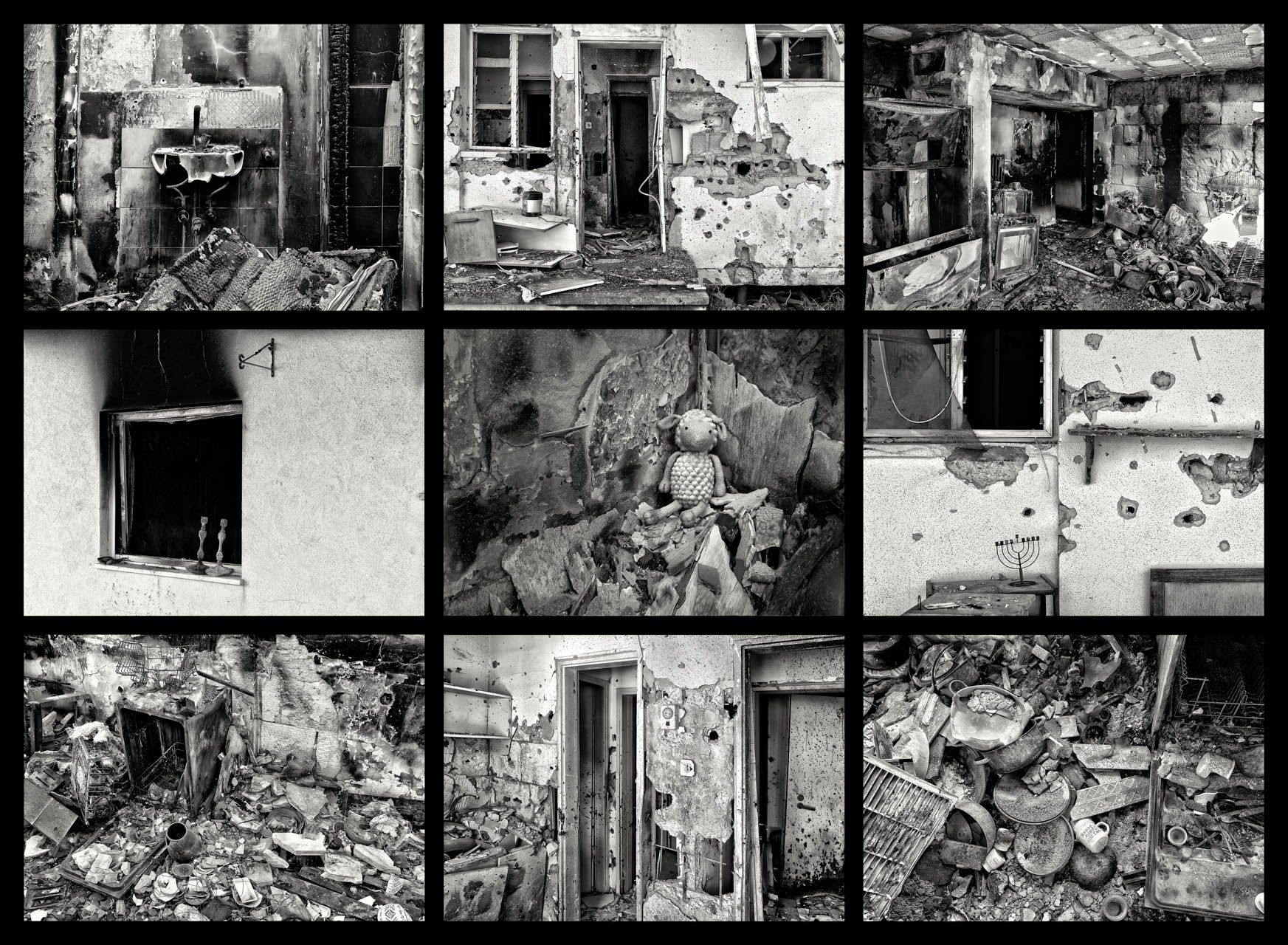
The Aftermath
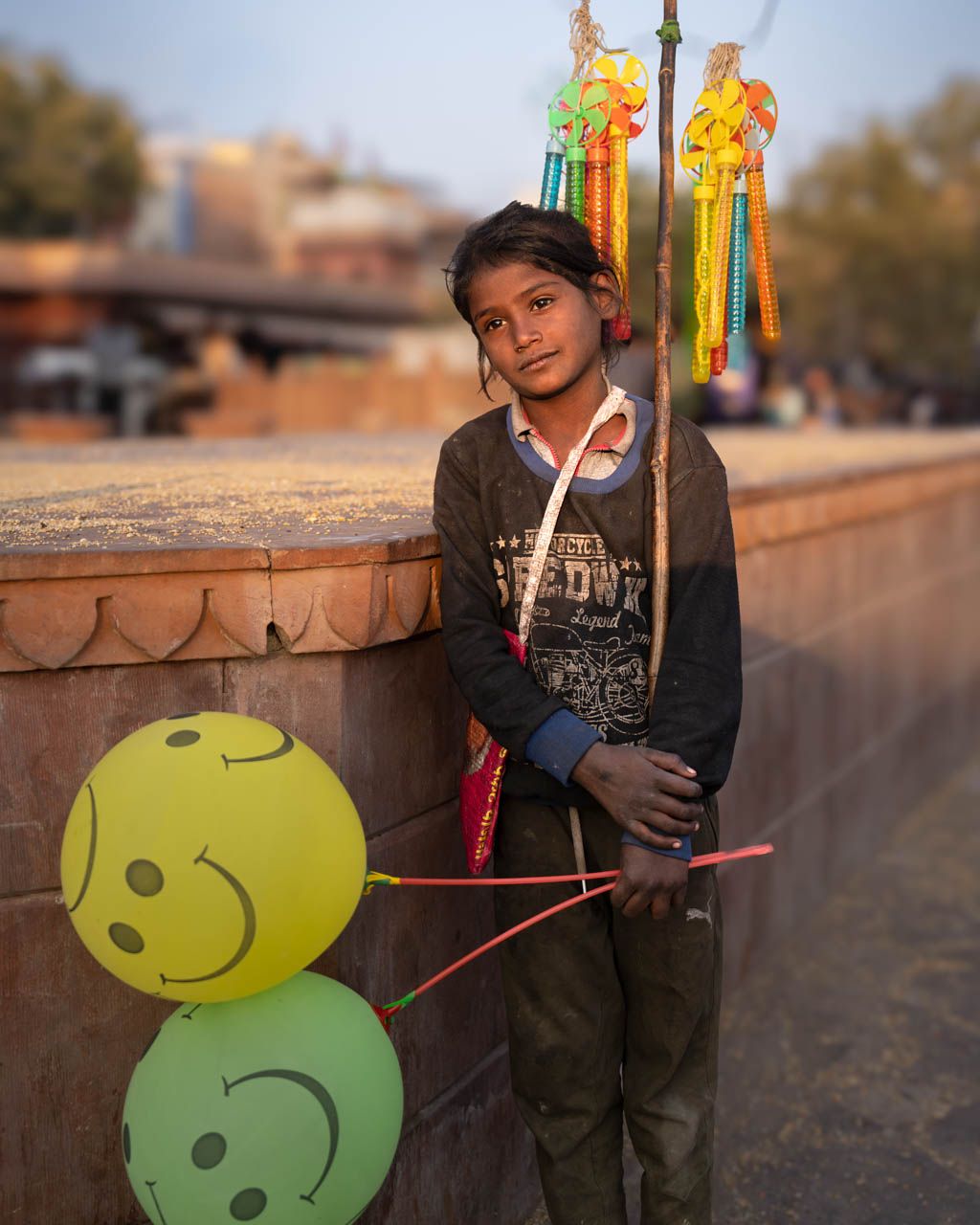
Girl with Balloons

Woman with a Green Scarf
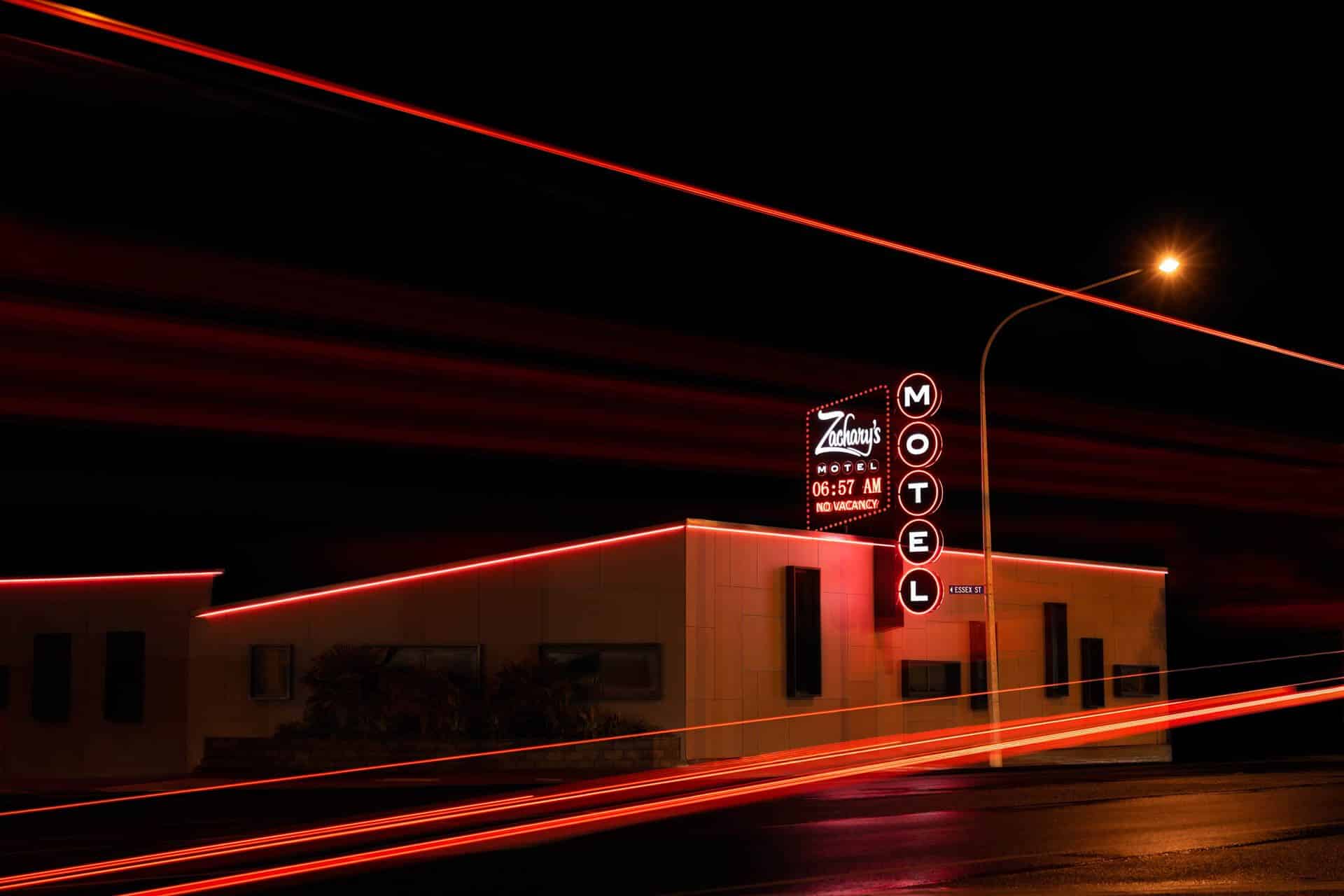
No Vacancy
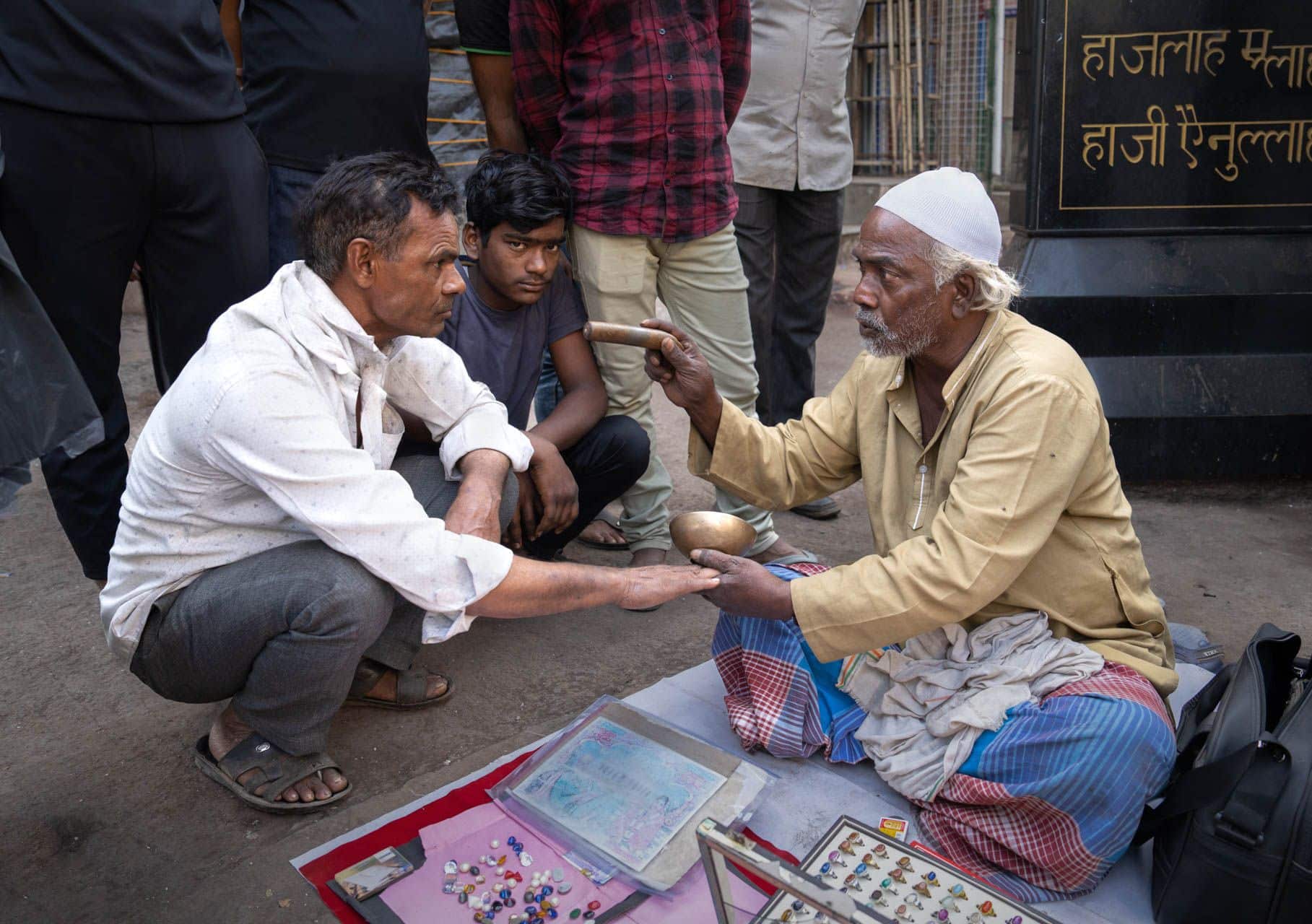
The Fortune Teller
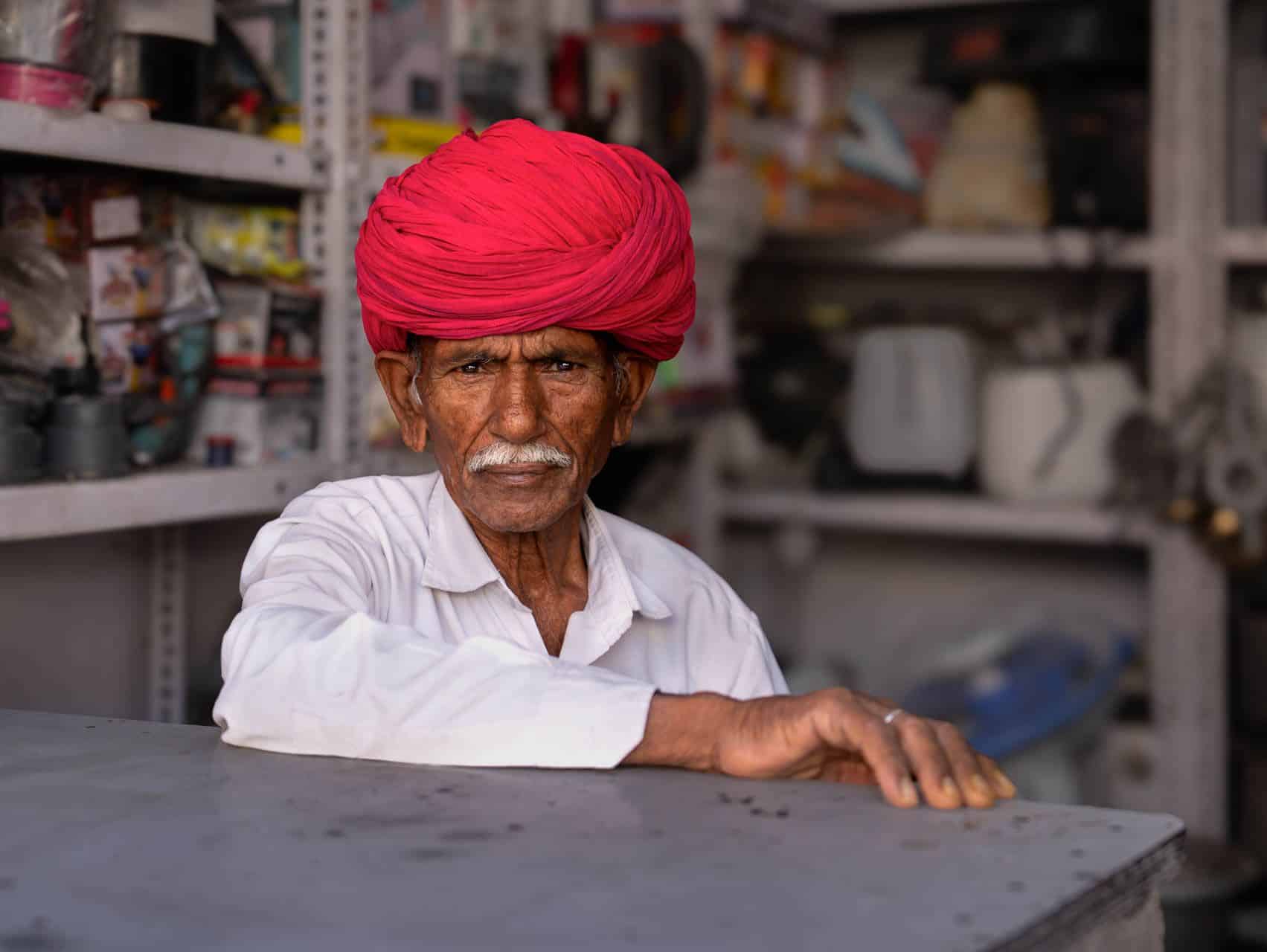
Man Wearing a Red Turban
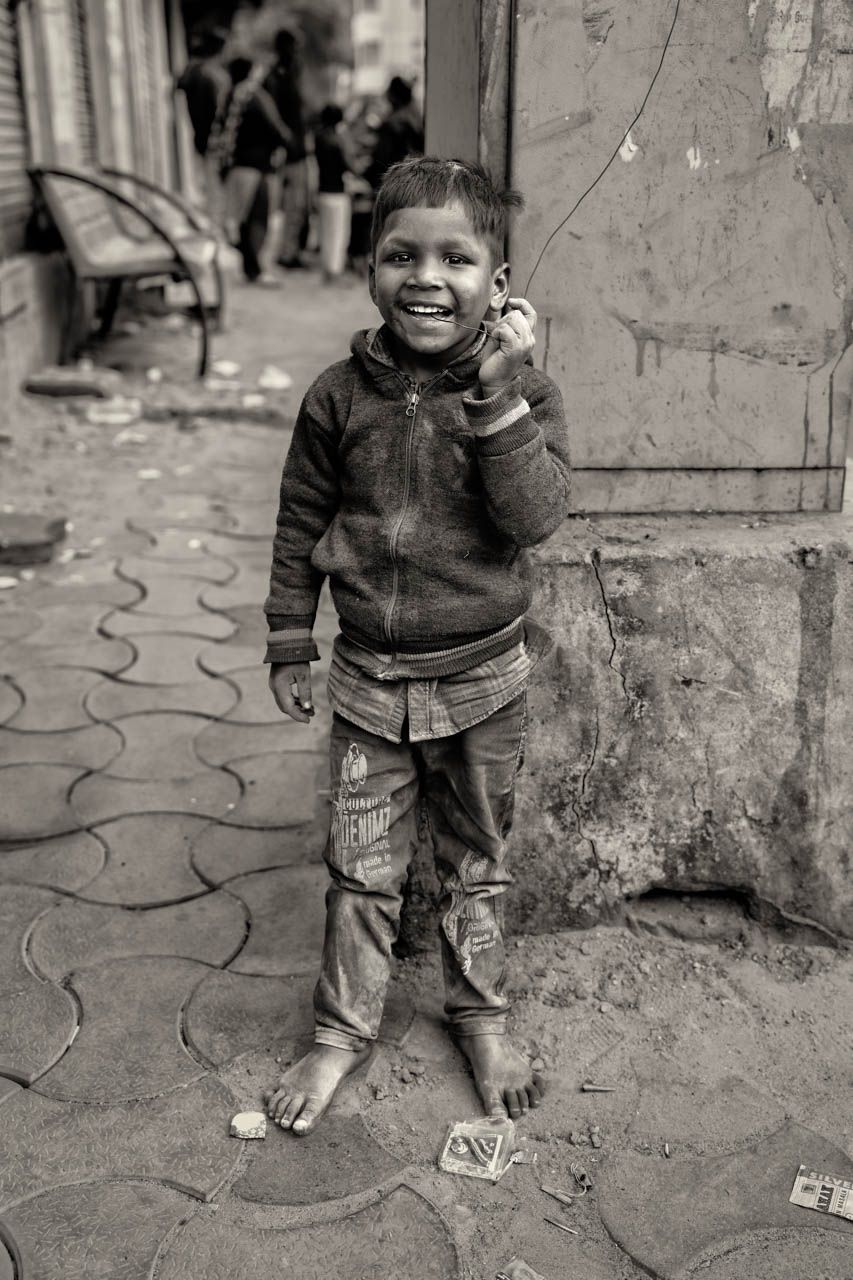
Boy and Wire

The Butterfly
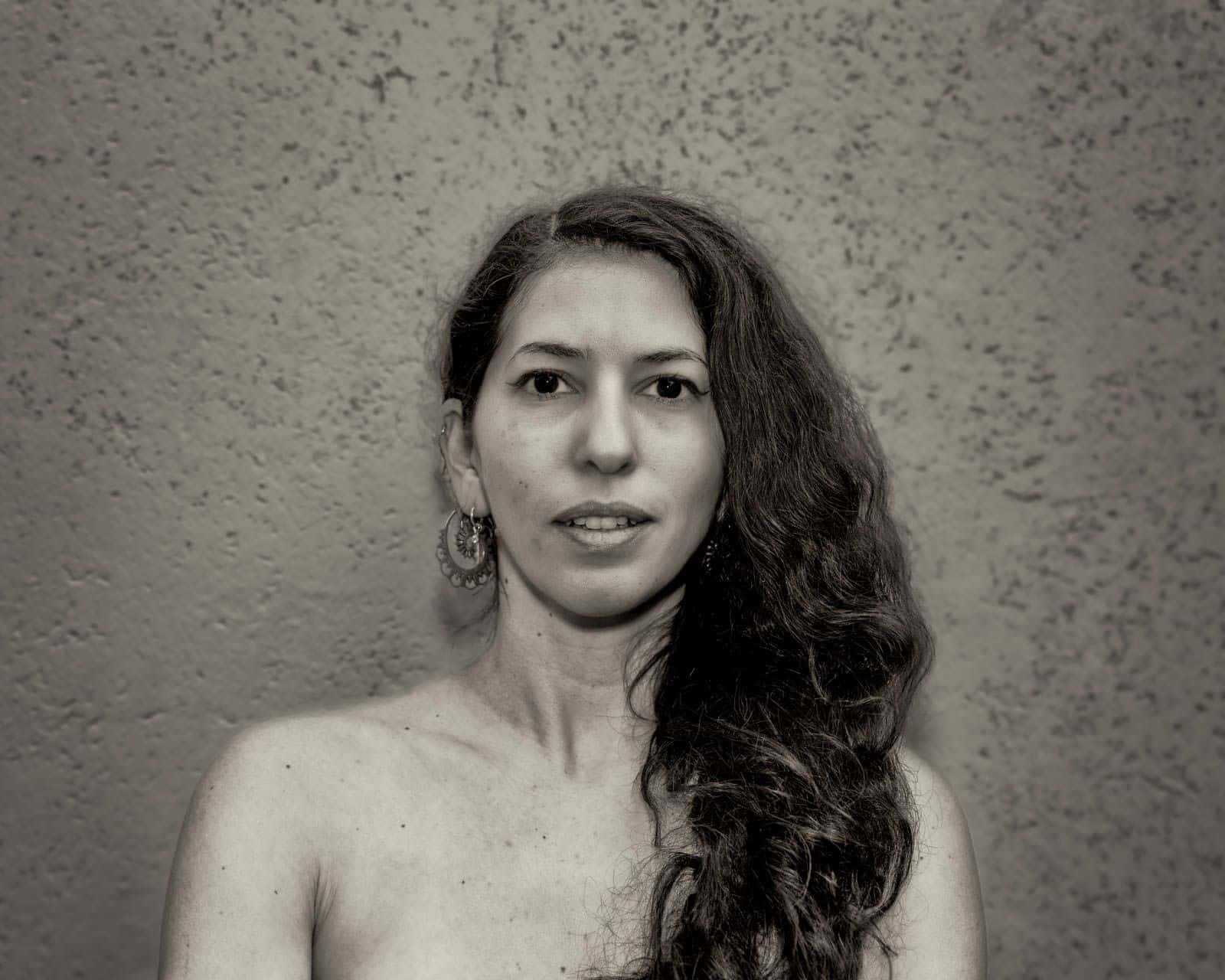
Emily Flow
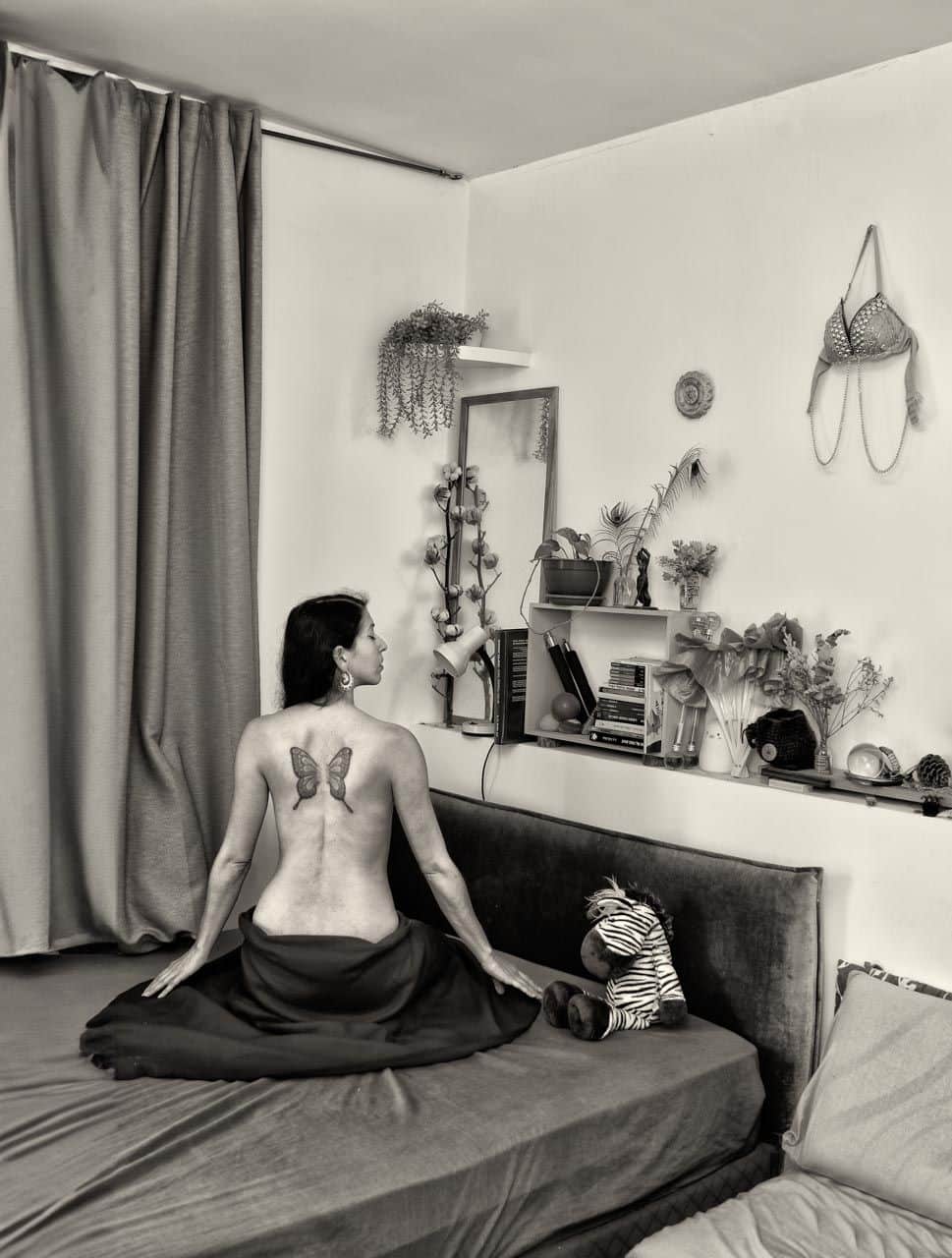
Emily Flow

