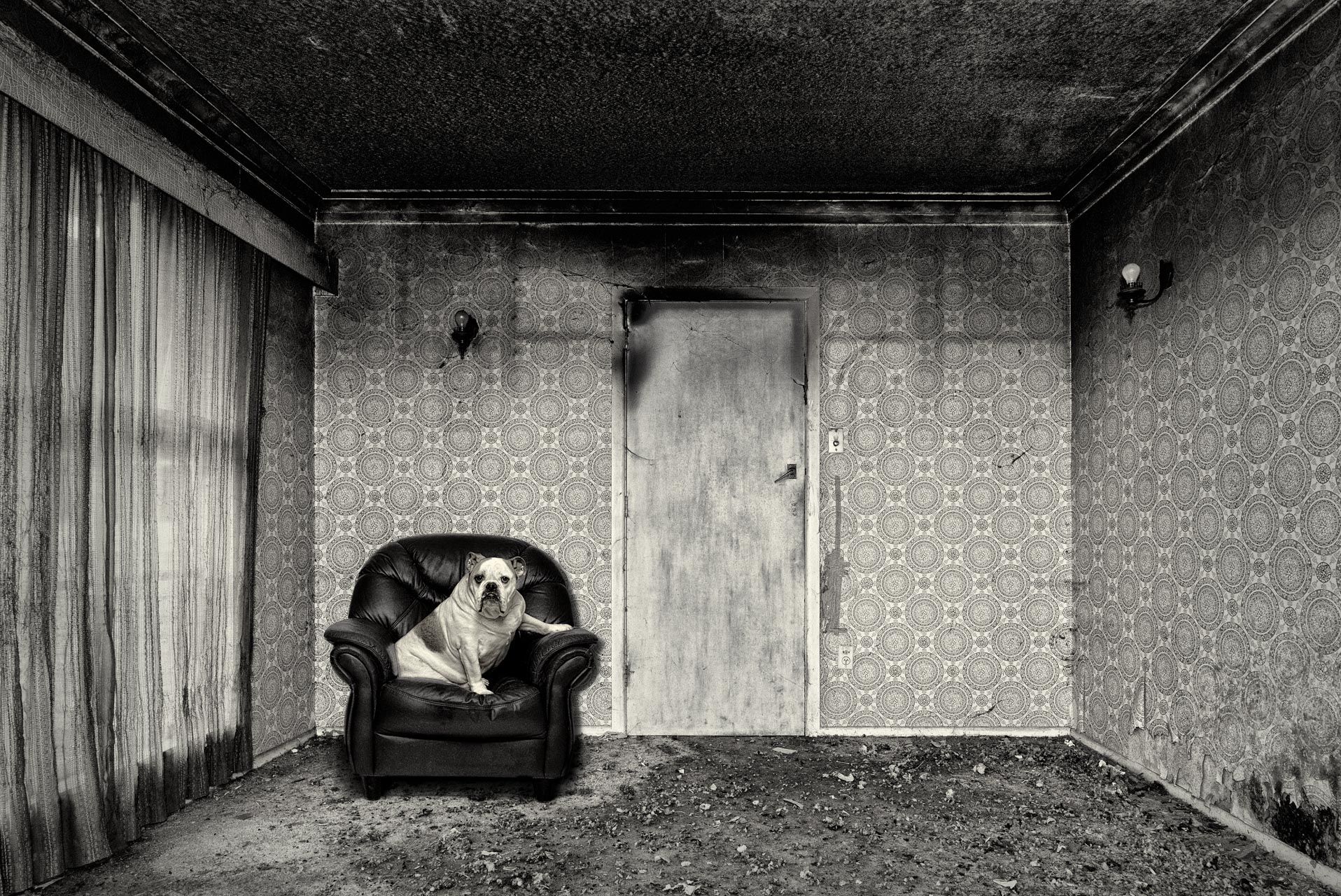
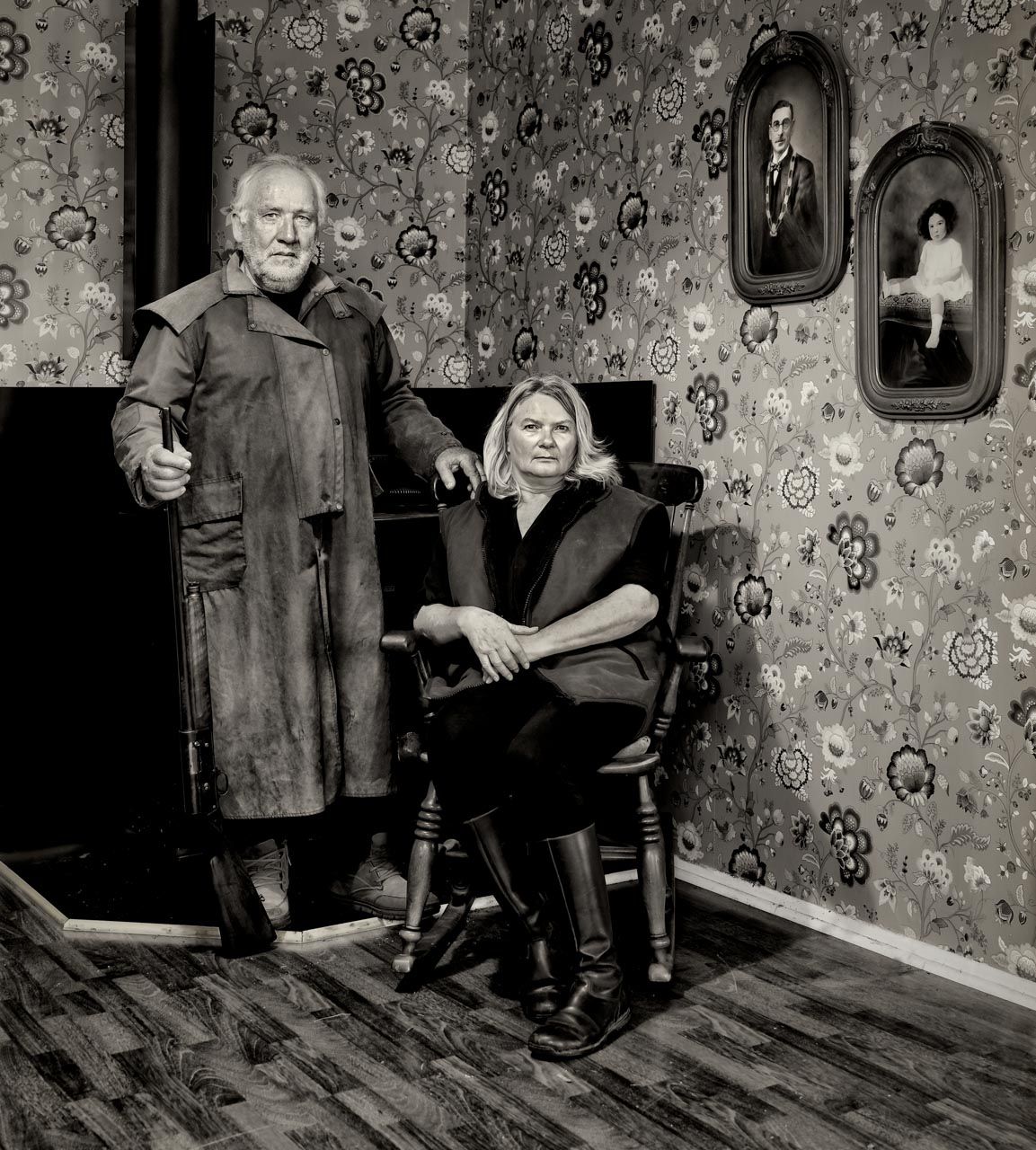
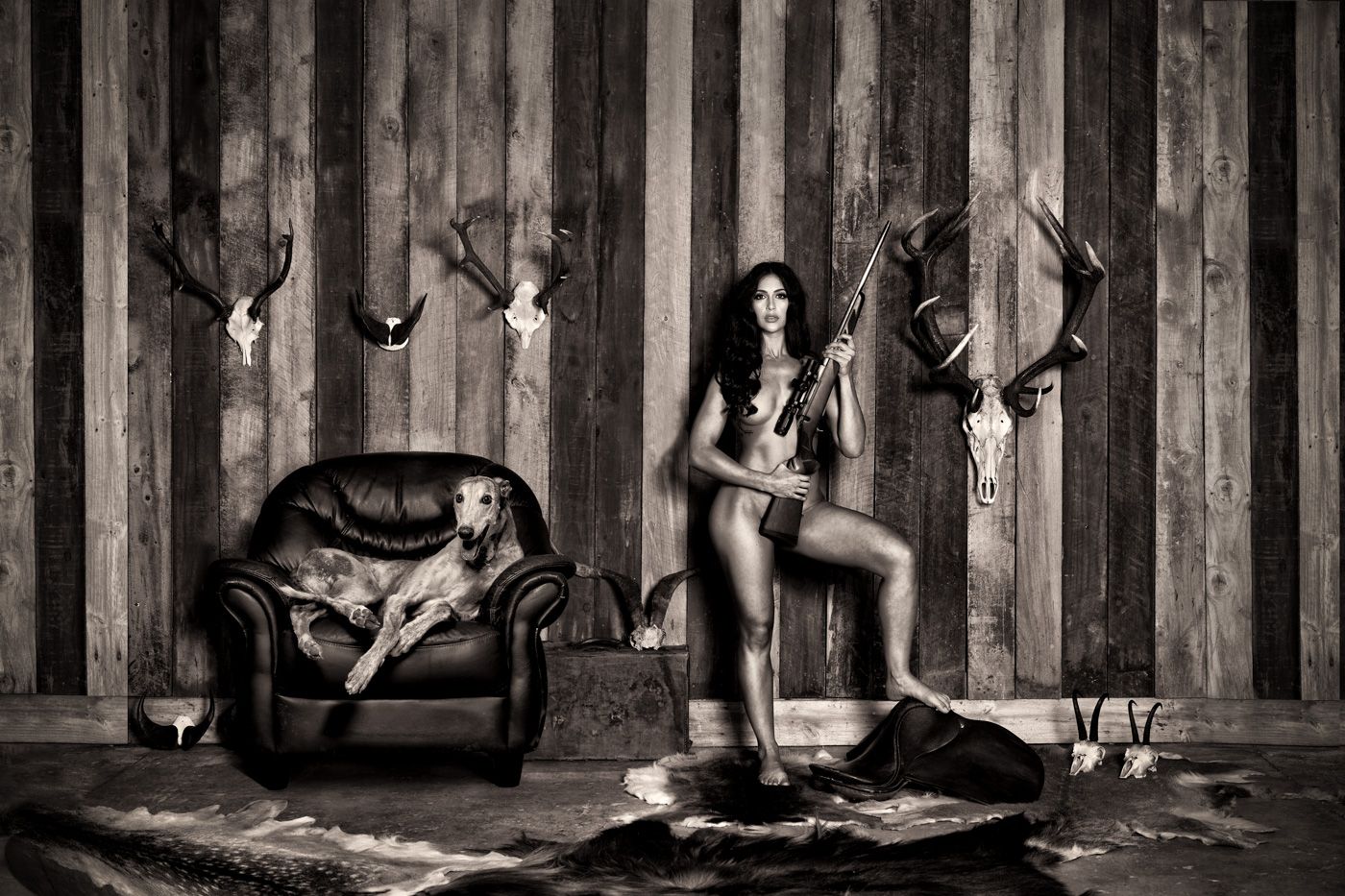
‘Who is the Boss?’ Gold medal at the 2021 North Shore National Salon of Photography
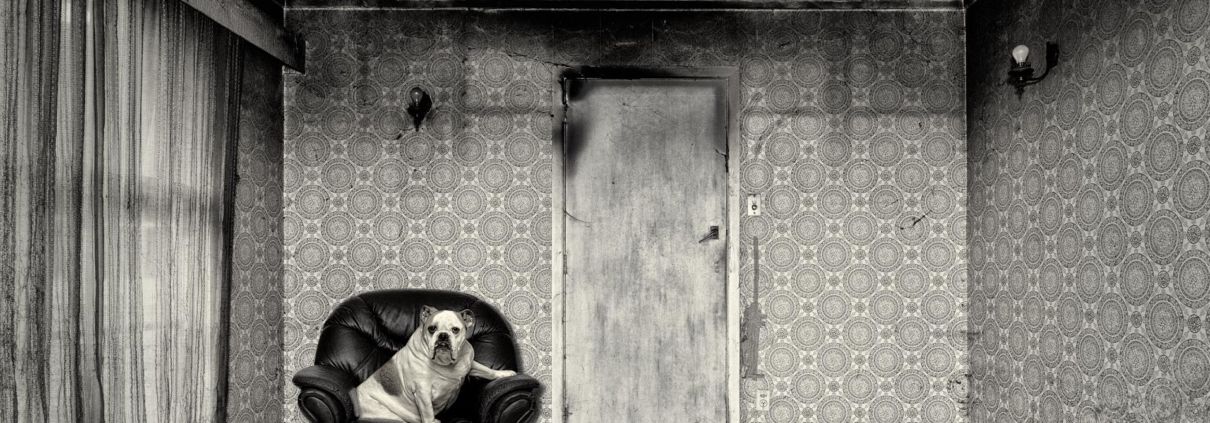
In one of my visits to the Takapuna Sunday market I was chatting to a woman who was selling life-size wooden bulldogs. I made a smart comment about people who purchase wooden dogs and she said that she owns a real one. A week later she visited my studio together with her daughter. Being so heavy, the dog would not climb and kept drooling so they both made a huge effort to lift him off the floor and onto the armchair. The image sat in my collection until I trespassed into this fire damaged house in Sunnynook!
https://ilanwittenberg.com/wp-content/uploads/2021/07/DSC05293-Edit-2-Edit-2.jpg12801916Ilan Wittenberghttps://ilanwittenberg.com/wp-content/uploads/2024/03/Ilan-Wittenberg-Logo-version-4.jpgIlan Wittenberg2021-07-27 06:51:022021-07-27 06:51:02Who is the Boss?
https://ilanwittenberg.com/wp-content/uploads/2021/07/Ilan-Wittenberg-The-Nymph.jpg14001400Ilan Wittenberghttps://ilanwittenberg.com/wp-content/uploads/2024/03/Ilan-Wittenberg-Logo-version-4.jpgIlan Wittenberg2021-07-23 10:27:412021-07-23 16:09:192021 Art In the Park
Gold medal for ‘Who is the Boss?’ at the 2021 North Shore National Salon of photography – Prints Open
https://ilanwittenberg.com/wp-content/uploads/2016/05/DSC05293-Edit-3.jpg10801617Ilan Wittenberghttps://ilanwittenberg.com/wp-content/uploads/2024/03/Ilan-Wittenberg-Logo-version-4.jpgIlan Wittenberg2021-07-13 13:26:432021-07-13 13:26:43Who is the Boss?
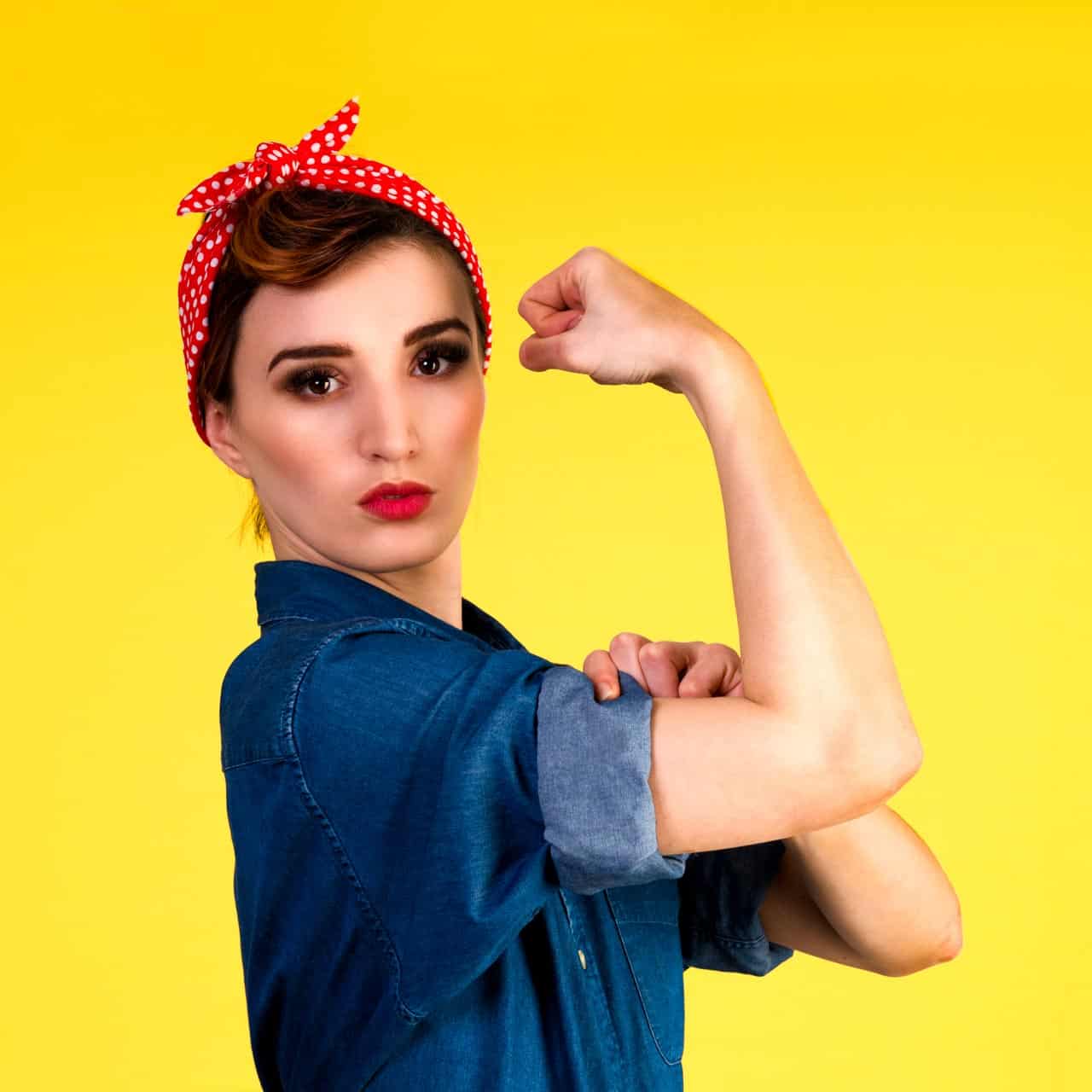
“We Can Do It!” is an American World War II wartime poster produced by J. Howard Miller in 1943 for Westinghouse Electric as an inspirational image to boost female worker morale.
The poster was little seen during World War II. It was rediscovered in the early 1980s and widely reproduced in many forms, often called “We Can Do It!” but also called “Rosie the Riveter” after the iconic figure of a strong female war production worker. The “We Can Do It!” image was used to promote feminism and other political issues beginning in the 1980s. The image made the cover of the Smithsonian magazine in 1994 and was fashioned into a US first-class mail stamp in 1999. It was incorporated in 2008 into campaign materials for several American politicians, and was reworked by an artist in 2010 to celebrate the first woman becoming prime minister of Australia. The poster is one of the ten most-requested images at the National Archives and Records Administration.
After its rediscovery, observers often assumed that the image was always used as a call to inspire women workers to join the war effort. However, during the war the image was strictly internal to Westinghouse, displayed only during February 1943, and was not for recruitment but to exhort already-hired women to work harder.
J. Howard Miller was an American graphic artist. He painted posters during World War II in support of the war effort, among them the famous “We Can Do It!” poster. In 1942, Miller was hired by Westinghouse Electric’s internal War Production Coordinating Committee, through an advertising agency, to create a series of posters to display to the company’s workers. The intent of the poster project was to raise worker morale, to reduce absenteeism, to direct workers’ questions to management, and to lower the likelihood of labor unrest or a factory strike.
No more than 1,800 copies of the 17-by-22-inch “We Can Do It!” posters were printed. It was not initially seen beyond several Westinghouse factories in East Pittsburgh, Pennsylvania, and the midwestern U.S. Mostly women were employed in this enterprise, which yielded some 13 million helmet liners over the course of the war. The slogan “We Can Do It!” was probably not interpreted by the factory workers as empowering to women alone; they had been subjected to a series of paternalistic, controlling posters promoting management authority, employee capability and company unity, and the workers would likely have understood the image to mean “Westinghouse Employees Can Do It”, all working together. The upbeat image served as gentle propaganda to boost employee morale and keep production from lagging. The pictured red, white and blue clothing was a subtle call to patriotism, one of the frequent tactics of corporate war production committees.
In subsequent years, the poster was re-appropriated to promote feminism. Feminists saw in the image an embodiment of female empowerment. The “We” was understood to mean “We Women”, uniting all women in a sisterhood fighting against gender inequality. This was very different from the poster’s 1943 use to control employees and to discourage labor unrest. The image is a combination of femininity with the masculine composition and body language.
https://ilanwittenberg.com/wp-content/uploads/2021/06/DSC01687-Edit.jpg12801280Ilan Wittenberghttps://ilanwittenberg.com/wp-content/uploads/2024/03/Ilan-Wittenberg-Logo-version-4.jpgIlan Wittenberg2021-06-01 07:54:512021-06-01 07:54:51We Can Do It!
https://ilanwittenberg.com/wp-content/uploads/2021/05/DSC09473-Edit.jpg1280853Ilan Wittenberghttps://ilanwittenberg.com/wp-content/uploads/2024/03/Ilan-Wittenberg-Logo-version-4.jpgIlan Wittenberg2021-05-31 08:20:302021-09-11 07:11:48Rose and Johnny
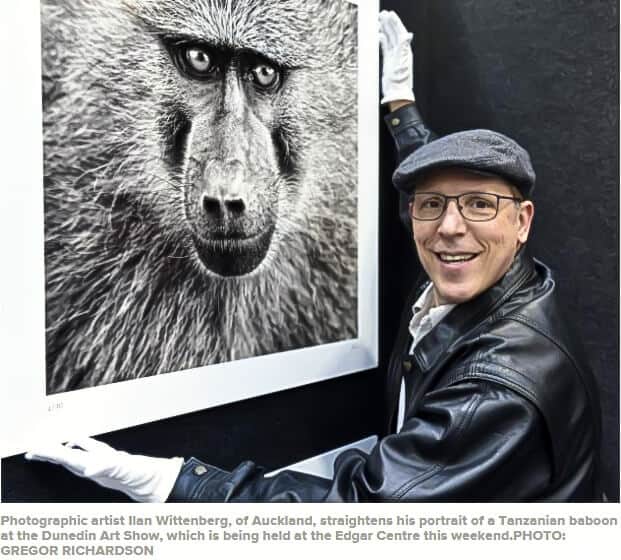
Awesome to have my Olive Baboon featured as part of The 2020 Dunedin Art Show! Had to put on my cheese cutter hat for this portrait opportunity ? Grateful to John and Kate who kicked my bum to take part in this wonderful event.